







Embrace the Power of Spices
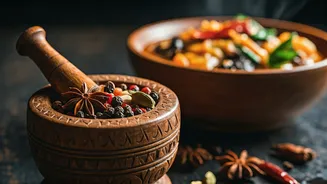
Our kitchens are already treasure troves of immunity-supporting spices. The monsoon is the perfect time to use them generously. Turmeric, with its active compound curcumin, is a potent anti-inflammatory and antioxidant. A daily dose of warm 'haldi doodh'
(turmeric milk) can be soothing and protective. Ginger is another superstar, known for its ability to fight germs and soothe sore throats. Add freshly grated ginger to your morning tea or 'kadha'. Don't forget garlic, which contains compounds that help the immune system fight germs, and black pepper, which not only adds a pungent kick but also enhances the absorption of curcumin from turmeric. These spices do more than just flavour our food; they are a core part of traditional wisdom for staying healthy during the damp, cool months.
Load Up on Vitamin C
Vitamin C is one of the most crucial nutrients for immune function, as it encourages the production of white blood cells, which are key to fighting infections. While oranges are a popular source, India’s own 'amla' (Indian gooseberry) is a powerhouse of Vitamin C, containing significantly more than an orange. You can have it as a juice, murabba, or even just a raw piece with salt. Other excellent sources readily available during this season include lemons, guavas, and bell peppers (capsicum). Squeezing fresh lemon juice into your dal, soups, and salads is an easy way to boost your intake. A diet rich in Vitamin C can help reduce the duration and severity of the common cold, making it a non-negotiable part of your monsoon plate.
Prioritise Gut-Friendly Probiotics
A large portion of our immune system resides in our gut. A healthy gut microbiome is essential for a strong immune response. This is where probiotics—beneficial live bacteria—come in. The easiest and most accessible source in any Indian household is 'dahi' (yoghurt). A bowl of plain, homemade curd with your lunch can do wonders for your digestive health. Other fermented foods like idli, dosa, and dhokla are also good sources. These foods help maintain a healthy balance of gut flora, which prevents the growth of harmful pathogens and strengthens the gut barrier. A happy gut means a happier, more resilient immune system, which is especially important when the risk of water-borne and food-borne infections is high.
Choose Warm, Cooked Meals
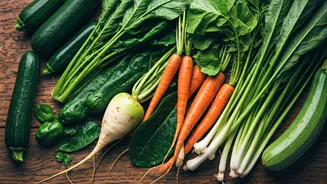
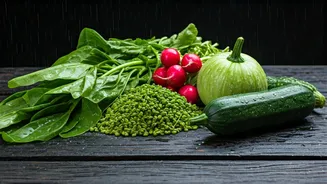
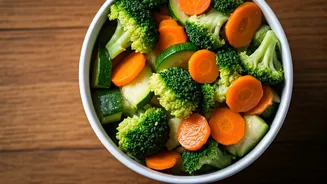
According to Ayurveda, the digestive fire ('agni') can be weaker during the monsoon. Cold, raw foods like salads can be harder to digest and may dampen this fire further. This is the season for warm, nourishing, and easily digestible meals. Think comforting soups, hearty stews, and light khichdi. Steaming and light sautéing are preferable cooking methods over deep-frying, which can be heavy on the stomach. Opt for seasonal vegetables like bottle gourd ('lauki'), bitter gourd ('karela'), and pumpkin. These vegetables are not only packed with nutrients but are also light on the digestive system. A warm meal is not just comforting on a rainy day; it also supports your body's digestive processes, allowing it to focus its energy on immunity.
Hydrate Smartly with Herbal Infusions
While it's easy to drink less water when it’s not hot outside, staying hydrated is crucial for flushing out toxins and supporting all bodily functions, including immunity. Instead of cold water, opt for warm or room-temperature water. Better yet, make herbal infusions a part of your daily routine. A simple tea made by boiling 'tulsi' (holy basil) leaves, ginger, and a dash of honey is a classic monsoon remedy. Tulsi is revered for its antibacterial and antiviral properties. Other great options include green tea, which is rich in antioxidants, and a simple concoction of warm water with lemon and honey. These warm drinks not only keep you hydrated but also provide soothing relief and an extra layer of protection against seasonal ailments.