




A Window to the Wild
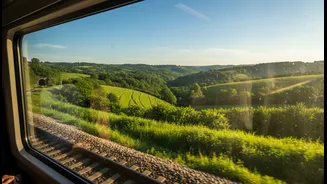
The romance of Indian train travel is incomplete without the simple joy of gazing out the window. It’s a canvas of changing landscapes, from bustling towns to serene countryside. But the real magic happens when the tracks slice through dense forests and verdant
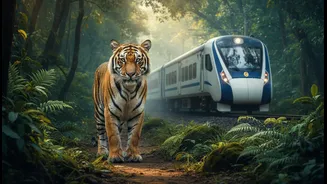
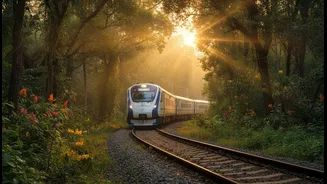
hills, offering fleeting glimpses of India’s magnificent wildlife. The Vande Bharat Express, a symbol of modern Indian engineering, enhances this classic experience. With its large panoramic windows, quiet coaches, and high speeds, it not only connects cities but also brings us closer to the natural corridors that thrive alongside these steel arteries. This isn’t about officially designated 'wildlife routes', but about a perspective worth cultivating: the art of observing the wild from your train seat, a connection to nature in an age of speed.
The Northeast Frontier: Guwahati to New Jalpaiguri
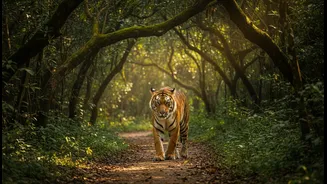
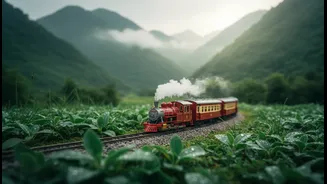
The first Vande Bharat in Northeast India is arguably one of its most stunning journeys. Connecting Guwahati in Assam to New Jalpaiguri in West Bengal, this route is a visual feast of tea gardens, wide river plains, and the foothills of the Eastern Himalayas. The train skirts regions close to celebrated wildlife sanctuaries like Manas Tiger Reserve and Kaziranga National Park. While spotting a one-horned rhinoceros or a tiger from the moving train is a matter of pure chance, the journey itself is an immersion into their habitat. Look out for herds of elephants in the distance, especially near forested patches, and a spectacular array of birdlife. The route serves as a powerful reminder of the rich biodiversity of Assam and North Bengal, making the 5.5-hour journey feel like a short, beautiful safari.
The Konkan Spectacle: Mumbai to Madgaon
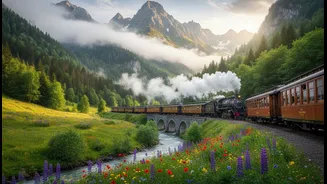
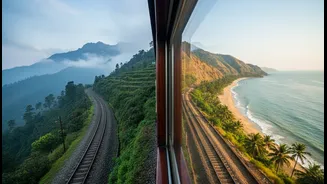
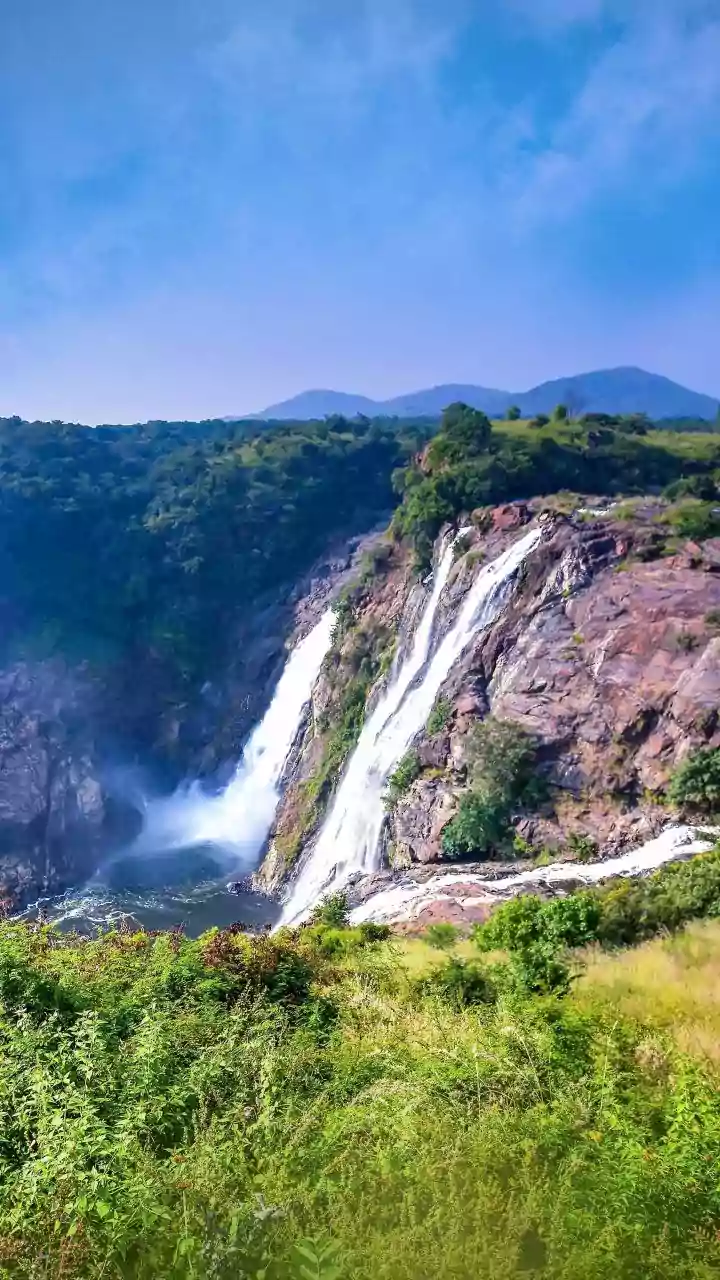
Often hailed as one of India's most scenic rail journeys, the Mumbai to Goa route on the Vande Bharat is a masterclass in natural beauty, especially during the monsoons. The train navigates the legendary Konkan Railway line, cutting through the lush Western Ghats via a series of tunnels and high viaducts. The landscape is a dramatic tapestry of cascading waterfalls, dense green valleys, and brief, sparkling glimpses of the Arabian Sea. The rich foliage of the Ghats is home to diverse fauna. Keep your eyes peeled for monkeys playing near the tracks, peacocks in the clearings, and a vibrant showcase of avian life. The journey across the Panval Viaduct, one of Asia's tallest, offers a breathtaking bird's-eye view of the surrounding ecosystem, making this trip an unforgettable experience.
Gateway to the Ghats: Chennai to Mysuru
Connecting two of South India's major cultural hubs, the Chennai-Mysuru Vande Bharat offers a more subtle, but equally rewarding, wildlife experience. The route transitions from the coastal plains to the Deccan Plateau, passing through the northern fringes of the Eastern Ghats. The scenery evolves from paddy fields to scrub forests and rocky outcrops characteristic of the region. This landscape is a prime habitat for spotted deer, peacocks, and a variety of bird species. The journey provides access to Bandipur National Park, a premier tiger and elephant reserve, which is just a couple of hours by road from Mysuru. This makes the train journey not just a means of travel, but the perfect prologue to a deeper wildlife adventure in the Nilgiri Biosphere Reserve.
Central India's Corridor: Nagpur to Bilaspur
This Vande Bharat route cuts through the heart of India, connecting Nagpur in Maharashtra to Bilaspur in Chhattisgarh. This region is a critical wildlife corridor, linking several major tiger reserves. While the train travels at a brisk pace, the journey takes you through sections of the forests that these majestic animals call home. The view from the window reveals a landscape of deciduous forests, rolling hills, and rural settlements. Spotting a large mammal like a deer or even a wild boar is a possibility for the observant passenger. More importantly, the journey provides a tangible sense of the vast wilderness that still exists in Central India, highlighting the importance of these corridors for conservation and reminding us of the hidden natural treasures our railways traverse.