








The dreaded visa application, with its endless paperwork and anxious waits, might finally be on its way out. A new global survey confirms what many Indian travellers have felt for years: the process is broken and a digital fix is long overdue.
A Clear Mandate for Change
The latest
Global Passenger Survey (GPS) from the International Air Transport Association (IATA) leaves no room for doubt: travellers are ready to go digital. The 2026 survey, which polled over 10,000 travellers from more than 200 countries, found that a significant 60% of people prefer applying for a visa online. In contrast, only 25% favour the traditional method of applying in person at a consulate or embassy. This isn't just a slight preference; it's a clear majority demanding a move away from physical appointments, paper documents, and long, uncertain processing times. The data also shows that the complexity of immigration rules is a growing deterrent to travel, discouraging 43% of global passengers from visiting a destination, a sharp increase from 33% the previous year. For travellers in the Asia-Pacific region, that figure is even higher at 49%.
Why Everyone Hates the Old Way
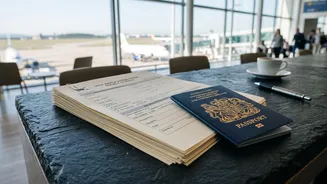
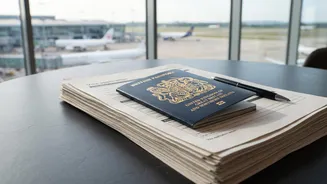
For many Indian travellers, the traditional visa process is a familiar source of stress. It often involves navigating multiple websites, securing a coveted appointment slot at a visa application centre, and compiling a thick folder of documents — from bank statements and employment letters to flight bookings and hotel reservations. The entire bundle is then submitted, often with your passport, leading to a period of uncertainty where you can't make other international travel plans. The demand for online visas is rooted in a desire for convenience, speed, and transparency. An online system allows you to apply from home, upload digital documents, pay a fee, and track your application's status in real-time. This digital-first approach eliminates travel to visa centres, reduces the risk of lost documents, and often leads to much faster turnaround times.
The Rise of the E-Visa
The good news is that many countries are already responding to this demand. As of early 2026, Indian passport holders can apply for an e-visa for over 60 countries, including popular destinations like Vietnam, Malaysia, Thailand, and Turkey. These electronic visas have transformed travel planning, with processing times ranging from just a few hours to a couple of weeks. It’s important to distinguish between different types of digital authorisations. An e-visa is a pre-approved visa you must apply for online before you travel. This is different from 'visa-on-arrival', where you complete formalities after landing, and 'visa-free' travel, which requires no prior application. While over 100 countries now issue some form of e-visa, IATA notes a major challenge: a lack of standardisation. The verification processes differ from country to country, creating potential confusion for both airlines and passengers.
So, What's the Holdup?
If travellers want online visas and the technology exists, why isn't every visa an e_visa? The primary hurdles are security and infrastructure. Governments have legitimate concerns about verifying identities and preventing fraud in a fully digital environment. Transitioning from legacy paper_based systems to secure, interoperable digital platforms requires significant investment and international cooperation. Furthermore, data privacy is a key concern for travellers. The IATA survey highlights that while people are willing to share their information for a smoother process, they worry about data breaches and how their personal information is handled. Building trust is paramount, and this requires robust, transparent systems that give passengers control over their data.
The Future: Your Phone is Your Passport
The push for online visas is part of a much larger trend towards a completely seamless travel experience. The ultimate goal, championed by initiatives like IATA's One ID, is the Digital Travel Credential (DTC). This would be a secure digital version of your passport stored in a digital wallet on your phone. Your visa, boarding pass, and identity would all be linked, allowing you to move through the airport—from checkin and bag drop to security and boarding—using only biometric scans of your face. Pilots for this technology are already underway. For this to become a global reality, governments need to agree on a common framework for issuing and accepting these digital credentials. The survey shows travellers are ready, with 84% interested in using a digital passport for online checkin. The journey from paper to pixels is accelerating, promising a future where your next international trip begins with a few taps on your phone, not a trip to the visa office.