







The Ghost of Plagues Past
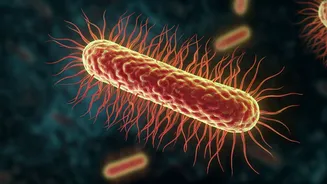
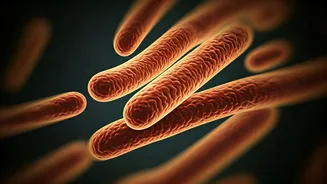
For centuries, the plague has haunted our collective memory. Responsible for some of the deadliest pandemics in recorded history, including the Black Death which killed a vast portion of Europe's population in the 14th century, the disease caused by the bacterium
Yersinia pestis represents the ultimate nightmare of contagion. Its historical narrative is one of profound social, religious, and economic upheaval. This long and dark shadow has cemented the plague in our minds as a uniquely terrifying force of nature, a story of sudden, widespread, and uncontrollable death.
Unlocking Ancient Secrets with DNA
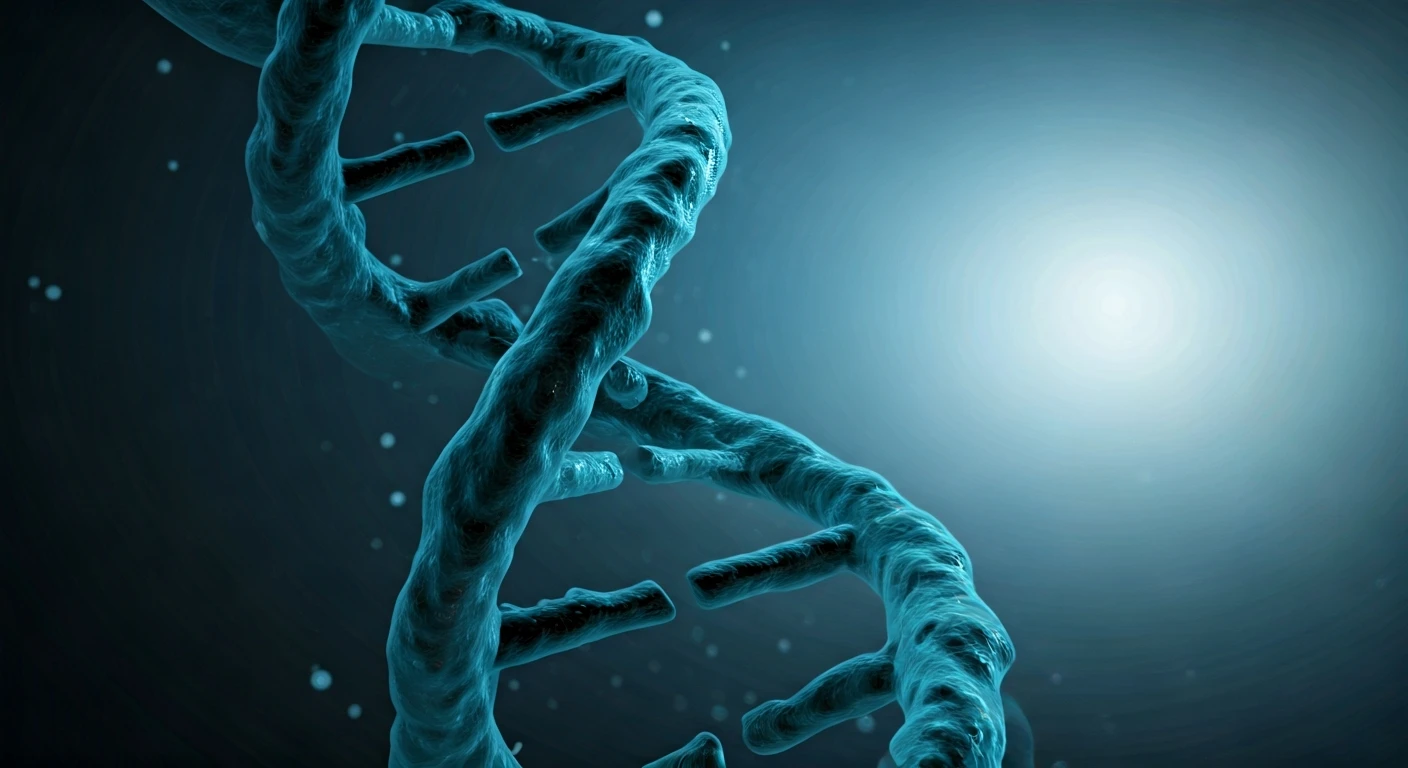
In recent years, scientists have developed a remarkable new tool to investigate this ancient killer: paleomicrobiology. By extracting and sequencing the DNA of Yersinia pestis from the teeth of victims buried thousands of years ago, researchers are creating a genetic timeline of the pathogen. These ancient genomes, some dating back more than 5,000 years, reveal the plague's evolutionary journey in stunning detail. This molecular archaeology allows us to move beyond frightening chronicles and ask specific questions about where the plague came from, how it changed, and what made it so deadly.
Rewriting the Origin Story
For a long time, the plague's origins were shrouded in mystery. But recent genetic evidence has provided startling clarity. Studies have pinpointed the emergence of a key strain to an area in modern-day Kyrgyzstan just before the Black Death pandemic began. Even earlier strains have been found in Eurasia, dating back to the Stone Age. These primitive versions of the bacteria were different from the one that caused the Black Death. They lacked certain genes that allowed for efficient transmission by fleas, which was a critical adaptation for its pandemic potential. The bacterium evolved from a milder stomach bug into a respiratory pathogen and, finally, into the flea-borne killer that spread across the globe. This step-by-step evolution shows that the plague didn't just appear fully formed; it became a global threat through a series of specific genetic changes.
Lessons for a Modern World
Understanding the plague's past is far from a purely academic exercise. It offers crucial lessons for navigating our own era of infectious diseases. For example, research on skeletons from the Black Death era shows that populations already suffering from malnutrition and social inequality were far more vulnerable, a stark reminder of how public health is intrinsically linked to social well-being. Studying the genetic evolution of Yersinia pestis also provides a model for how pathogens can adapt and acquire new abilities, like jumping to new hosts or developing more efficient transmission methods. This historical knowledge helps inform surveillance of modern zoonotic diseases—those that jump from animals to humans—and underscores the importance of monitoring pathogens before they become widespread threats.
From Terror to Textbook Case
The plague still exists today, with a few thousand cases reported to the World Health Organization annually, but it is no longer the unstoppable force it once was. The key difference is modern medicine; with antibiotics, the disease is treatable. The story of the plague has transformed from one of pure terror into a powerful case study in epidemiology and pathogen evolution. The findings from ancient DNA don't make the historical suffering any less tragic, but they empower us by replacing fear with understanding. By decoding the plague's genetic playbook, science has disarmed its mystique and turned a historical horror into a vital lesson in preparedness and resilience.