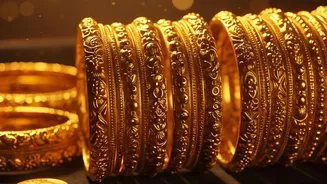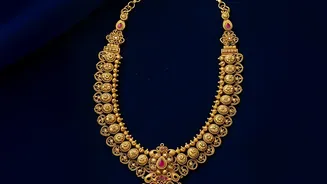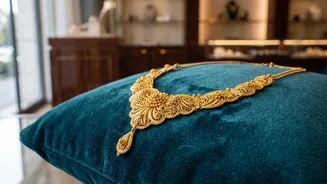



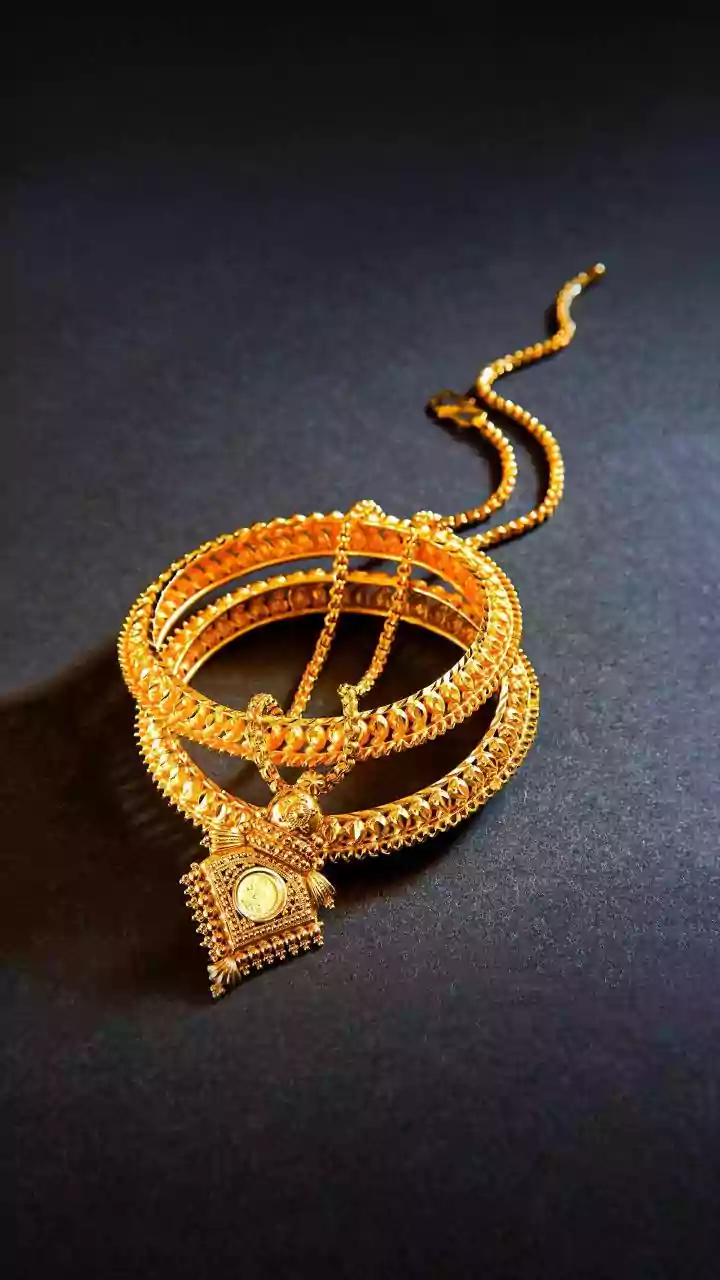



Buying gold for the first time is a milestone, but the final bill can be confusing. Beyond the gold rate, a significant cost is 'making charges', especially for delicate designs. Understanding this is key to a smart purchase.
What Exactly Are Making Charges?
Simply put, making charges
are the fees you pay for the craftsmanship that turns raw gold into a beautiful piece of jewellery. This cost covers everything from the designer’s skill and the artisan's labour to the complex processes of melting, shaping, soldering, and polishing. Think of it this way: the gold price is the cost of the raw material, while the making charge is the cost of the artistry. These charges are not standardised and can vary dramatically from one jeweller to another and even between different designs in the same store.
Why Delicate Designs Cost More to Make
It might seem counterintuitive that a lighter, more delicate piece could have higher making charges than a heavier, plainer one, but it comes down to complexity and labour. Intricate designs, such as fine filigree work, detailed engravings, or settings for tiny stones, require a much higher degree of skill and more time from an experienced artisan. This specialised labour is expensive. Additionally, creating delicate patterns can lead to a higher potential for 'wastage' — tiny particles of gold lost during the cutting, filing, and polishing process. While modern techniques have reduced actual wastage, the term is often used to account for the higher effort and perceived loss in creating complex pieces.
The Difference: Handmade vs. Machine-Made
The method of creation is a major factor in determining making charges. Machine-made jewellery, like simple chains or basic bangles, can be produced in large quantities with high efficiency. This results in significantly lower making charges, often ranging from 3% to 15%. In contrast, handcrafted pieces demand individual attention from skilled artisans. A single, elaborate necklace could take days to complete, justifying making charges that can go up to 25% or even higher for unique bridal or designer jewellery. When you choose a delicate, handcrafted piece, you are paying for that exclusivity and the artisan's expertise.
How Charges are Calculated
Jewellers in India typically use two main methods to calculate making charges, and you should always ask which one is being applied. The first is a percentage of the gold's value. For example, if the making charge is 15% on a piece with gold worth ₹50,000, you will pay ₹7,500 in charges. The second method is a flat rate per gram of gold, for instance, ₹500 per gram. For a 10-gram item, this would be a ₹5,000 charge. While the percentage method is more common, a flat per-gram rate can be more transparent, as it isn't affected by fluctuations in the daily gold price. Some jewellers may even use a fixed charge for certain lightweight items.
Tips for the Smart First-Time Buyer
Navigating making charges is the best way to save money, as the gold rate and GST are nonstegotiable. Don't hesitate to negotiate, especially at local or independent jewellers; many are open to discussion, and you could get a better deal. Always compare making charges for similar pieces across a few different stores. Before you finalise a purchase, ask for a detailed bill that breaks down the gold price, weight, making charges, and GST separately. This transparency ensures you know exactly what you are paying for. Also, be wary of '0% making charge' offers, as the cost might be hidden elsewhere, such as in an inflated gold rate or the price of any stones in the piece.