




The Nation's Midnight Menu
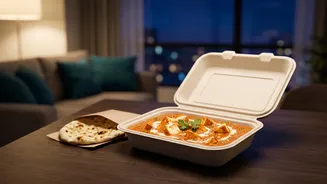
Across India's cities, a distinct late-night menu has emerged. According to reports from delivery platforms like Swiggy and Zomato, comfort foods are the undisputed champions of the post-10 PM slot. Biryani consistently tops the charts, with platforms reporting
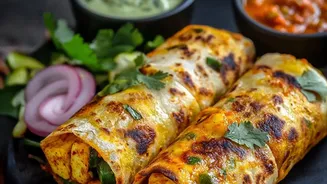
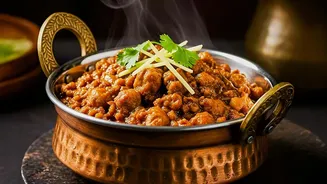
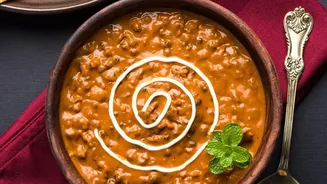
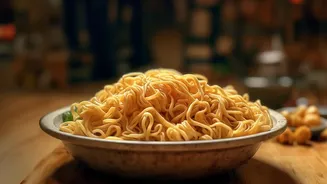
millions of orders annually. Close behind are pizzas and burgers, which see a massive surge in demand, especially between 11 PM and 3 AM. Snacks also play a starring role. Chicken rolls, momos, and french fries are go-to munchies for those burning the midnight oil or binge-watching their favourite shows. This preference for convenient, satisfying, and often shareable meals highlights a demand for comfort and ease at the end of a long day. Interestingly, while fast food dominates, there is also a space for lighter options like dal, khichdi, and wraps, catering to a wide range of late-night moods and needs.
Meet the Night Owls
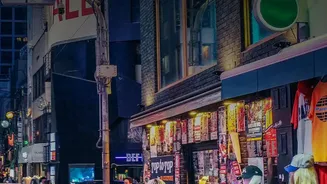
So, who are these late-night eaters? The demographic is largely young and urban. Students studying for exams, young professionals in the IT and services sectors working flexible or global hours, and call centre employees are primary drivers of this trend. Swiggy's data shows that a significant percentage of corporate employees order food at the office after 10 PM. This isn't just a metro phenomenon anymore. While cities like Bengaluru, Hyderabad, and Mumbai lead in order volumes, tier-2 cities such as Lucknow, Bhubaneswar, and Kochi are seeing double-digit growth in late-night orders. This expansion signals a broader lifestyle shift, where the traditional 9 PM dinner time is becoming obsolete for a generation adapting to a 24/7 economy. Global sporting events and the rise of OTT streaming platforms also create shared moments that fuel group orders and late-night snacking.
More Than Hunger: The Drivers Behind the Trend
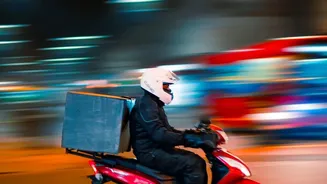
The boom in late-night ordering isn't just about appetite; it's a reflection of deeper societal shifts. The rise of the gig economy and hybrid work models has blurred the lines between day and night, leading to more fluid schedules. For many, the end of the workday is no longer a fixed time, and meals are scheduled around deadlines, not the clock. Convenience is another major factor. The hyper-efficiency of quick-commerce platforms has removed the friction that once made late-night eating difficult. Psychologically, late-night cravings are also linked to stress and emotional exhaustion. After a long day, the brain seeks easy rewards, and high-calorie comfort food provides a quick dopamine hit. This combination of demanding work lives, seamless technology, and the search for comfort has created the perfect environment for the after-dark food boom.
What It Says About Modern India
Ultimately, the late-night ordering trend is a mirror reflecting the pace and pressure of modern Indian life. It speaks to a country that is increasingly urbanised, digitally connected, and operating on a global clock. The traditional family dinner, once a cornerstone of daily life, is giving way to individualised eating schedules driven by work and personal pursuits. The data from food delivery apps has become so crucial that it's now used to map out 'craving heatmaps', predicting demand down to the neighbourhood level and optimising everything from restaurant inventory to delivery routes. This trend underscores the evolution of the food industry from simply providing meals to becoming an integral part of the urban infrastructure, catering to a population that is always on. It reveals a society that works longer, relaxes later, and values convenience above all else when it comes to satisfying the most fundamental of needs.