

What Exactly Is Space Weather?
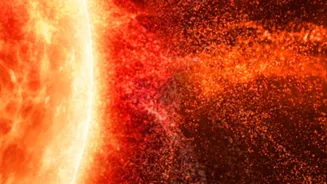
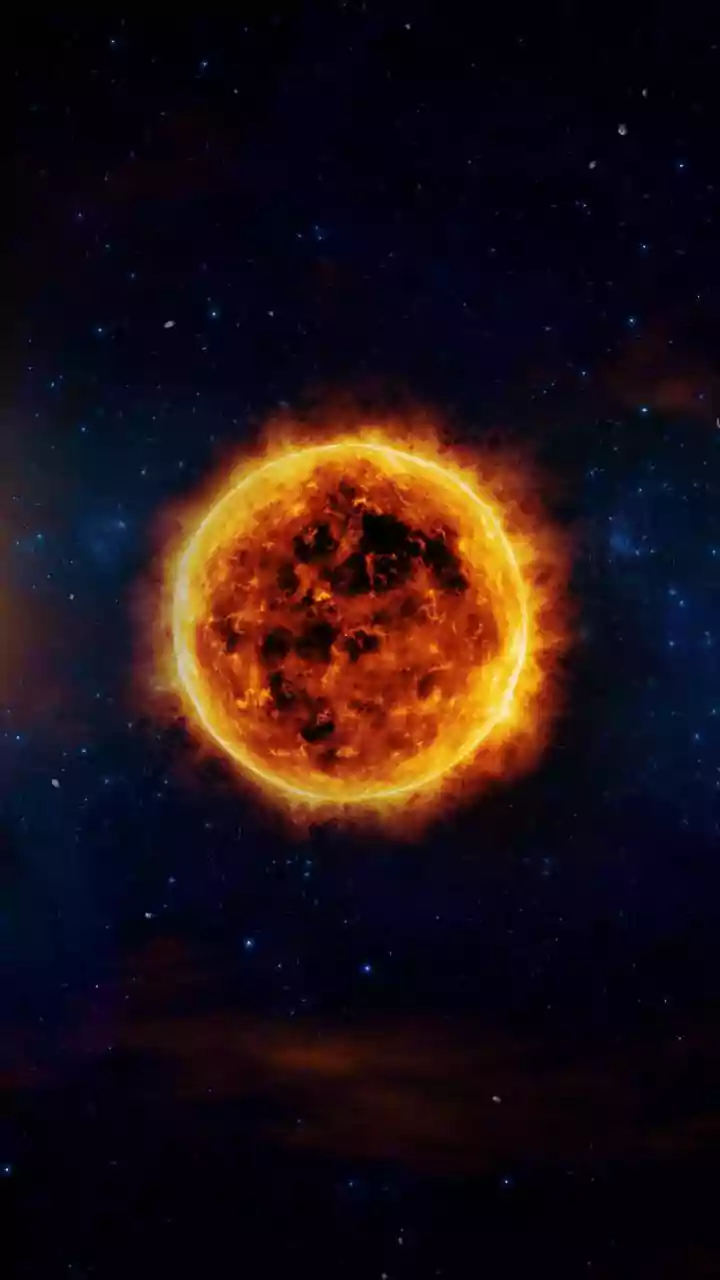
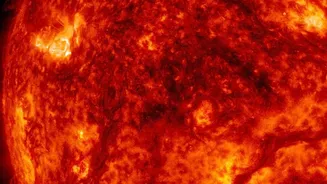
Think of space weather as the cosmic equivalent of a terrestrial storm, but one that originates 93 million miles away, on the surface of the Sun. It’s a catch-all term for the changing conditions in space driven by solar activity. The primary culprits
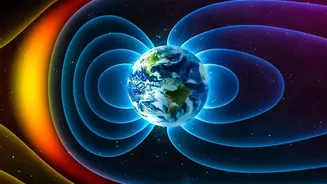
are solar flares, which are massive bursts of radiation, and coronal mass ejections (CMEs), which are giant clouds of charged particles and plasma hurled into space. When these events are directed towards Earth, they can interact with our planet's magnetic field and atmosphere, creating what are known as geomagnetic storms. While Earth's magnetic field protects us on the ground from the worst of it, our technology orbiting above is far more exposed.
The Invisible Threat to Our Satellites
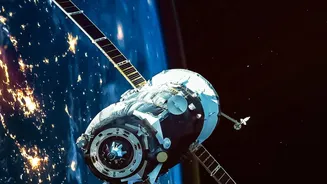
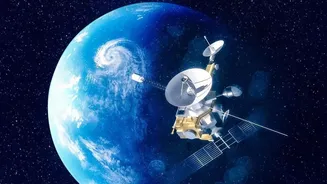
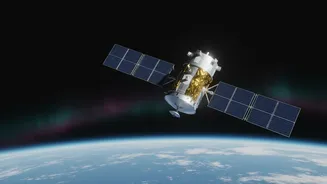
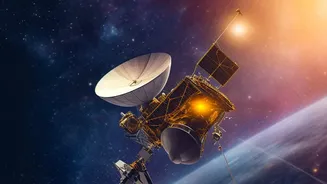
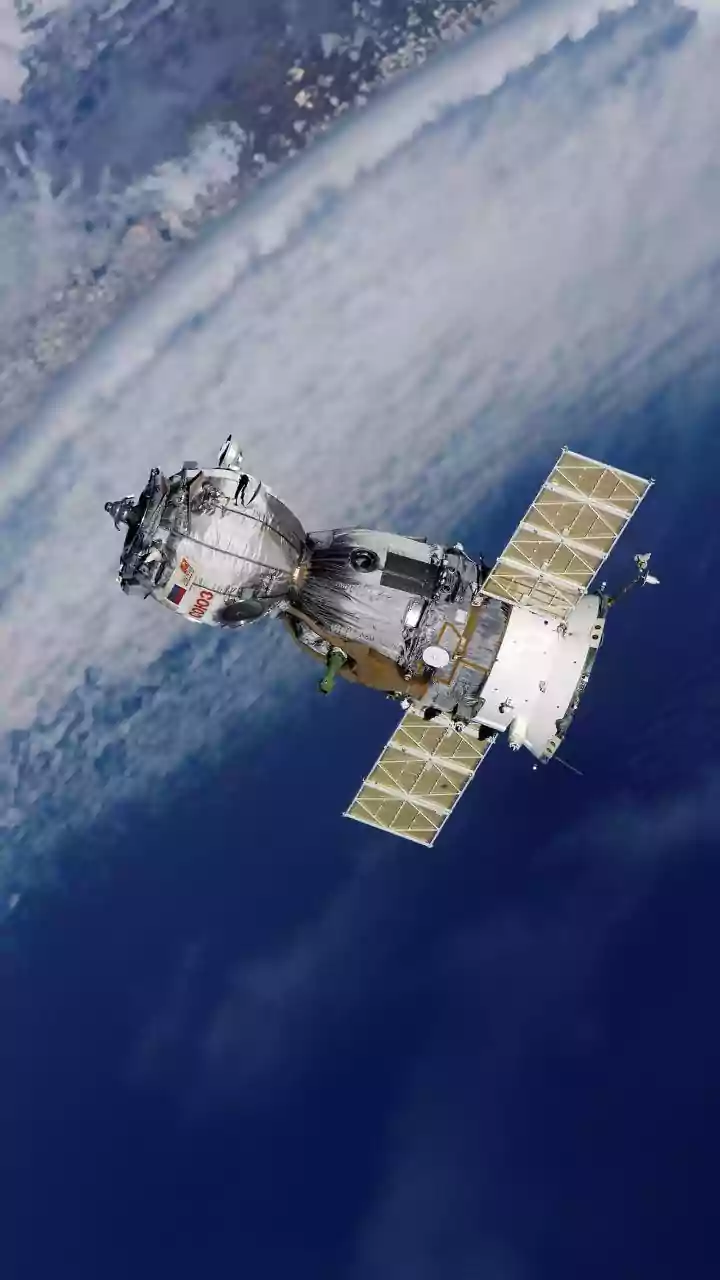
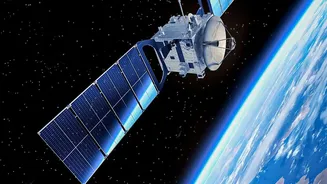
Satellites are particularly vulnerable to space weather for several reasons. The intense radiation from a solar event can damage their sensitive electronics and degrade solar panels, shortening their operational lifespan. This can lead to system glitches, phantom commands, or in severe cases, complete failure. Another significant risk is atmospheric drag. A strong solar storm heats and expands Earth's upper atmosphere. For satellites in Low-Earth Orbit (LEO), this increased density acts like a brake, slowing them down and causing their orbits to decay. This was famously demonstrated in 2022 when a geomagnetic storm caused up to 40 newly launched Starlink satellites to fall from orbit and burn up. Finally, space weather can disrupt the very signals satellites transmit, distorting GPS data and causing communication blackouts.
From Prediction to Protection
We can't stop space weather, but we can prepare for it. This is where understanding and forecasting come in. By monitoring the Sun, scientists can provide advance warnings of incoming solar storms. These forecasts give satellite operators crucial time to take protective measures. For example, they can switch vulnerable components into a 'safe mode' to protect them from electrical damage or fire thrusters to adjust a satellite's orbit to counteract increased atmospheric drag. Better prediction models lead to more precise actions, helping to preserve the longevity and function of these multi-million dollar assets that underpin so much of our economy.
India's Eye on the Sun: The Aditya-L1 Mission
India has taken a major step in contributing to global space weather prediction with the Aditya-L1 mission. Launched by ISRO in September 2023, it is India's first dedicated solar observatory. The spacecraft is positioned at Lagrange Point 1 (L1), a unique spot 1.5 million kilometres from Earth where it has an uninterrupted view of the Sun. Aditya-L1's primary goal is to study the Sun's outer layers, solar winds, flares, and CMEs. Its observations provide critical data for understanding the Sun's dynamics and give us an early warning of Earth-directed solar events. This mission not only enhances our ability to protect our own satellites and ground-based infrastructure but also solidifies India's role as a key player in space science and research.
Building a More Resilient Future
Beyond forecasting, the long-term solution involves building more robust systems. Engineers are working on 'radiation-hardened' electronics that can better withstand the harsh environment of space. This includes everything from the choice of materials to the physical design of the satellite to minimise the potential for damaging electrical discharges. However, this can be costly. Other strategies include building redundancy into large satellite constellations, where the loss of a few satellites is acceptable. The ultimate goal is to integrate space weather awareness into the very fabric of satellite design and operations, creating a future where our vital orbital infrastructure is better shielded from the Sun's powerful outbursts.