


What is This Forgotten Superfood?
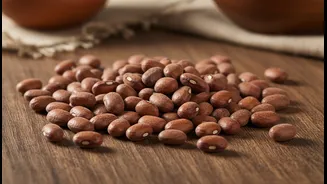
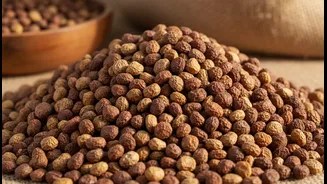
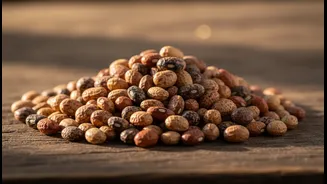
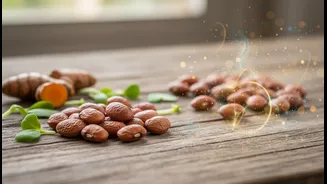
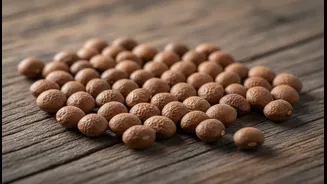
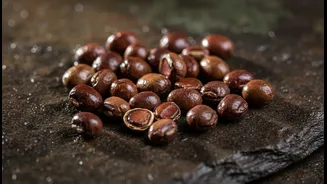
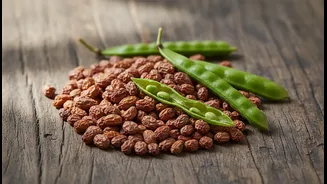
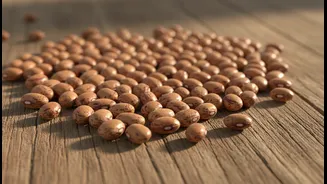
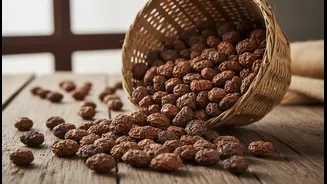
Horse gram (Macrotyloma uniflorum) is a small, resilient legume that has been cultivated in India for over two millennia. Known as kulthi in Hindi, kollu in Tamil, ulavalu in Telugu, and muthira in Malayalam, it has a rich history across the subcontinent.
Its English name comes from its traditional use as a highly nutritious feed for cattle and horses. This hardy crop thrives in dry, tough conditions where other plants might fail, making it a reliable and sustainable food source, especially in states like Karnataka, Andhra Pradesh, Tamil Nadu, and Odisha. For centuries, it has been a cornerstone of rural and traditional diets, valued for its ability to provide sustenance and warmth, particularly during colder months.
A Nutritional Powerhouse on a Budget
Don’t let its humble origins fool you; horse gram is packed with nutrients. It is an excellent source of plant-based protein, typically containing around 22-25%, which is double that of many cereal grains. It is also rich in dietary fibre, which aids digestion and promotes a feeling of fullness. Furthermore, horse gram boasts the highest calcium content among all pulses and is a significant source of iron, phosphorus, and antioxidants. This impressive nutritional profile makes it a fantastic addition to any diet, especially for vegetarians. In a market where a variety of pulses are available, horse gram often stands out as a more affordable option, offering exceptional nutritional value without straining the grocery budget.
The Flavour of Tradition in Every Bite
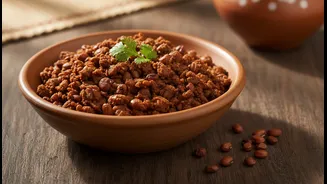
Across India, horse gram is the star of many beloved regional dishes. In the South, kollu rasam is a spicy, warming soup often consumed to combat colds and coughs. Maharashtrian kitchens prepare a flavourful curry known as Kulith Usal, often enjoyed with millet flatbreads. In states like Telangana and Andhra Pradesh, a thick, tangy soup called ulavacharu is a celebrated dish, sometimes served at weddings and special occasions. Other preparations include chutneys, powders (podis), and even savoury pancakes. These traditional recipes highlight the pulse’s earthy, robust flavour, which pairs beautifully with ingredients like tamarind, garlic, coconut, and black pepper.
Bringing Horse Gram Into Your Kitchen
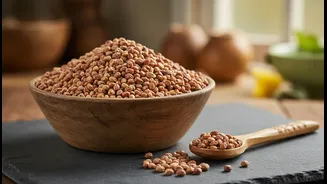
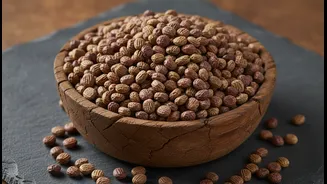
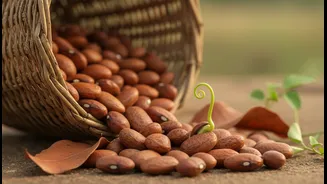
Cooking with horse gram is straightforward, though it requires a little planning. Due to its hard texture, it's essential to soak the lentils overnight or for at least 8 hours. This not only cuts down on cooking time but also makes the pulse easier to digest. After soaking, it can be pressure-cooked until soft, usually for about 4-6 whistles. The cooked lentils and their nutrient-rich water can then be used to make a simple dal, a hearty subzi, or a flavourful soup. For a modern twist, you can add sprouted horse gram to salads for extra crunch and nutrition, or grind roasted horse gram into a flour to mix into dosa or idli batter.
Why Is It Gaining Popularity Now?
The resurgence of horse gram is driven by several contemporary trends. There's a growing movement towards rediscovering and celebrating indigenous ingredients and traditional food systems. As health consciousness rises, consumers are actively seeking out nutrient-dense, natural foods, and horse gram fits the bill perfectly as a 'superfood'. Its affordability makes it an attractive protein source amidst rising food costs. Moreover, its status as a drought-resistant crop aligns with a greater interest in sustainable agriculture. This convergence of health, tradition, and value is precisely why this ancient pulse is once again becoming a relevant and cherished ingredient in Indian homes.