





Why Add Greenery to Your Bedroom?
Introducing live plants into your bedroom does more than just add a decorative touch. It’s a simple way to embrace biophilia—our innate human connection to nature—which can help create a calming and restorative atmosphere. Beyond aesthetics, certain plants are
lauded for their ability to influence our indoor environment. They can help increase humidity, and some are known to absorb pollutants from the air. The snake plant and pothos stand out as particularly well-suited for sleeping quarters due to their hardiness and air-purifying reputation. They work quietly in the background, asking for very little while offering a constant touch of serene, green life.
Spotlight: The Unkillable Snake Plant
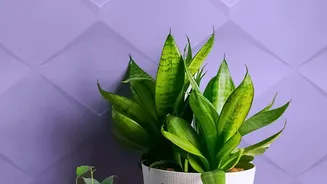
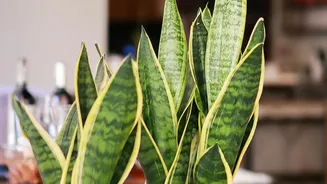
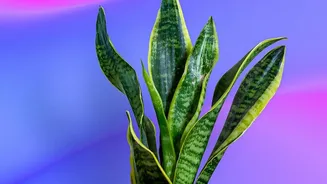
The snake plant, also known as Sansevieria trifasciata or 'mother-in-law's tongue', is the ultimate beginner's plant. With its stiff, upright, sword-like leaves, it has a modern, architectural look that suits any decor. One of its most celebrated qualities for the bedroom is its unique ability to perform a type of photosynthesis that allows it to release oxygen at night. While most plants release oxygen during the day, the snake plant continues the process after dark, contributing to a fresher atmosphere while you sleep. Its resilience is legendary; it tolerates low light and infrequent watering, making it incredibly forgiving for busy or forgetful owners.
Spotlight: The Versatile Pothos
Pothos, or Epipremnum aureum, is beloved for its lush, trailing vines and heart-shaped leaves. Often called 'devil's ivy' for its near-indestructible nature, it is another fantastic low-maintenance option. In India, it's commonly known as the money plant and is a household staple. Pothos is adaptable and can thrive in a range of lighting conditions, from bright, indirect light to lower-lit corners, though its variegation may fade in deep shade. Its cascading vines can be styled beautifully on a high shelf or in a hanging basket, adding a touch of the jungle to your personal sanctuary. It's also exceptionally easy to propagate, meaning you can easily create new plants from cuttings to share with friends and family.
A Realistic Look at Air Purification
The idea that houseplants can purify indoor air gained widespread attention from a 1989 NASA study, which found that certain plants could remove volatile organic compounds (VOCs) like formaldehyde and benzene from sealed chambers. Snake plants and pothos were among the effective plants. However, it's important to contextualize this for a home setting. To replicate the NASA results, you would need a very large number of plants—potentially hundreds—to significantly impact a room's air quality. While your two or three bedroom plants won't replace a mechanical air purifier, they are still valuable. They contribute to a healthier indoor ecosystem, with the snake plant providing a nighttime oxygen boost. Think of them as a beautiful, natural supplement to good ventilation, not a singular solution.
Simple Care for Thriving Plants
The main appeal of these two plants is their simple care routine. For the Snake Plant: Water it sparingly. Allow the soil to dry out completely between waterings, typically every 2-6 weeks. Overwatering is its biggest enemy. It tolerates low light but prefers bright, indirect sunlight to thrive. For the Pothos: Water when the top inch or two of soil feels dry. Pothos is more forgiving of overwatering than the snake plant but still prefers to dry out slightly. It enjoys bright, indirect light but can easily adapt to lower light levels. Both plants are happy in a standard, well-draining potting mix.
An Important Note for Pet Owners
While these plants are wonderful additions to a home, pet owners should exercise caution. Both snake plants and pothos are considered toxic to cats and dogs if ingested. Chewing on the leaves can cause mouth irritation, drooling, vomiting, or digestive upset due to compounds like calcium oxalates and saponins. To enjoy these plants safely, be sure to place them on high shelves, in hanging planters, or in rooms that your pets cannot access.