






Global Supply & Crude Prices
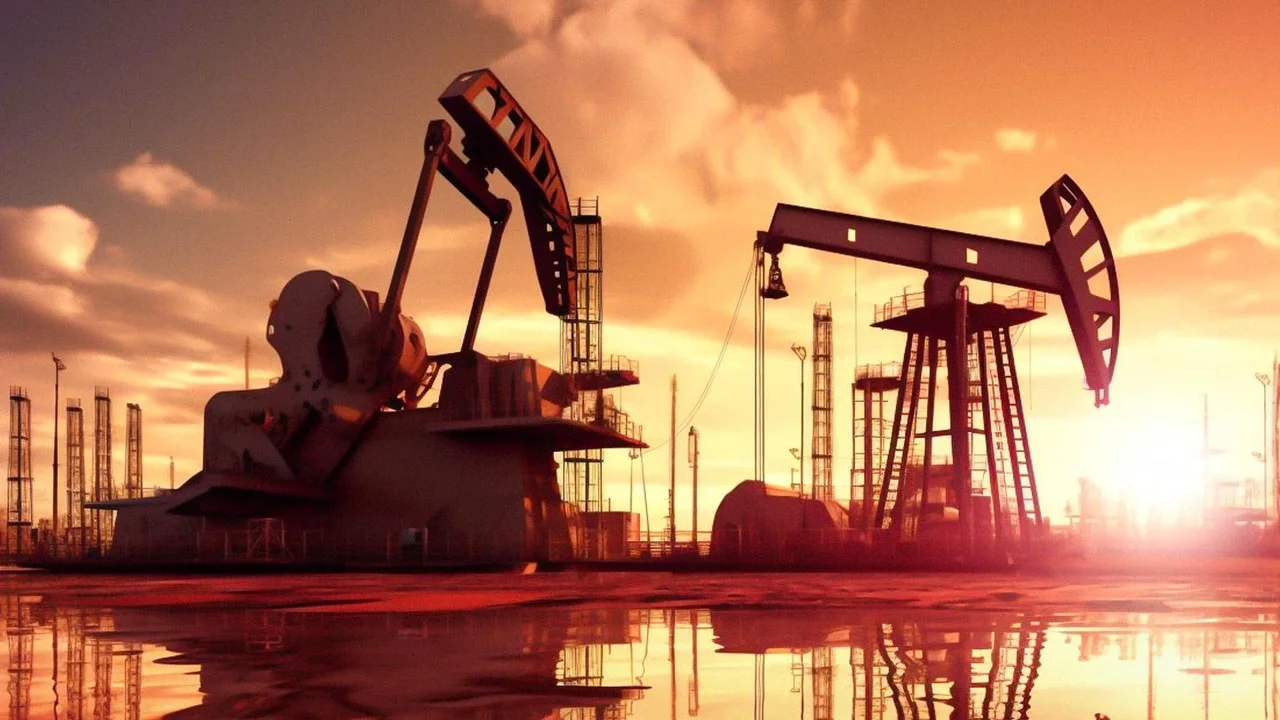
The journey of your fuel price begins thousands of miles away. The cost of crude oil, the raw material for petrol and diesel, is the single biggest variable. This price is determined by global supply and demand. Geopolitical tensions, especially in the Middle
East, can significantly impact oil prices. For instance, recent developments concerning the Strait of Hormuz have caused volatility. As of early August 2026, crude oil was trading at around $81 per barrel, holding relatively steady after a recent decline but remaining up significantly over the past year. Decisions by oil-producing cartels like OPEC+ to increase or decrease production also directly influence the base price that Indian refiners pay. Any disruption or surge in global demand immediately puts upward pressure on the price of every litre of fuel.
The Rupee's Rollercoaster
Because India imports over 85% of its crude oil requirement, all transactions are conducted in US dollars. This makes the USD-INR exchange rate a critical factor. Even if global oil prices remain stable, a weaker rupee will mean India has to pay more for the same amount of crude oil. In 2026, the rupee has seen significant fluctuation, hitting a record low of 96.84 against the dollar in May before recovering. As of early August 2026, the exchange rate is around 95.35 rupees to the dollar. This continued weakness against the dollar means the cost of importing crude remains high, a cost that is inevitably passed on to consumers. Analysts suggest the rupee may remain under pressure, ensuring that the import bill continues to be a major component of the final fuel price.
The Heavy Hand of Taxes
Taxes are arguably the most significant and controversial component of retail fuel prices in India. The final price includes both a central excise duty and state-specific Value Added Tax (VAT). Combined, these taxes can often account for nearly half of the final price paid by the consumer. While these taxes are a crucial source of revenue for both central and state governments, they also provide a lever to manage prices. However, governments are often reluctant to cut duties, especially when seeking to fund welfare programs or manage fiscal deficits. Recently, the central government has also been adjusting windfall taxes on fuel exports to manage domestic supply and tax the high profits of refiners. While these don't directly impact the price you pay, they reflect the government's active role in the petroleum sector's taxation.
Refining, Margins and Distribution
The final piece of the puzzle involves the costs and margins after crude oil lands in India. The crude is transported to refineries, where it is processed into petrol, diesel, and other petroleum products. These refining operations have their own costs. Major state-run firms like Indian Oil Corporation are in the process of expanding their refining capacity, with several major projects set to be commissioned by the end of 2026. This expansion aims to meet rising domestic demand and increase exports. After refining, oil marketing companies (OMCs) add their margins. Finally, costs for distribution and the dealer's commission are added before the fuel reaches the retail outlet. While smaller than the cost of crude or taxes, these charges add up to form the final price displayed at the pump.