



The Budget Blowout
One of the quickest ways to sour a solo trip is running out of money. Without a travel companion to split costs or lend you cash, financial mismanagement falls squarely on your shoulders. The trap isn't just lavish spending; it's the small, un-tracked
expenses that add up. That daily coffee, spontaneous souvenir shopping, or opting for taxis over public transport can drain your funds faster than you think. To avoid this, create a detailed budget before you leave. Map out your fixed costs like flights and accommodation, then set a realistic daily limit for food, activities, and transport. It’s also wise to set aside an emergency fund, about 10-20% of your total budget, for unexpected costs. Track your spending as you go with a simple app or notebook. This isn't about restricting fun; it's about empowering yourself to enjoy the entire trip without financial anxiety.
Ignoring Local Safety Norms
Your safety is your own responsibility when you're alone. A common trap is assuming the same safety rules from home apply everywhere. This includes everything from walking alone at night to being too trusting of strangers. Before you go, research the safety of your destination, including which neighbourhoods are best to stay in and which to avoid. Simple precautions make a huge difference: share your itinerary with a friend or family member back home, always be aware of your surroundings, and avoid displaying flashy valuables like expensive jewellery or electronics. A clever tip is to never admit you are travelling alone; a little white lie that you're meeting a friend later can be a useful deterrent. Also, keep digital copies of important documents like your passport separate from the originals.
The Overpacked Suitcase
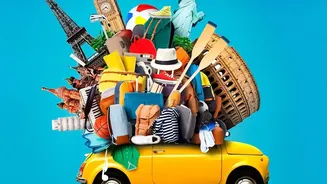
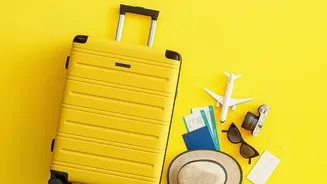
It’s a classic beginner mistake: packing for every possible scenario. The result is a heavy bag that becomes a literal drag on your journey, especially when navigating train station stairs or cobblestone streets. Remember, you are the only one who will be carrying your luggage. The reality is you can buy most necessities at your destination, and laundromats are widely available. Before you pack, lay out everything you think you need, then try to cut it in half. Focus on versatile clothing items you can layer and mix-and-match. Unless you're heading somewhere extremely remote, you probably don't need three 'just-in-case' sweaters. A lighter bag means more freedom, less stress, and fewer chances of paying for overweight luggage.
Forgetting Cultural Etiquette
Travelling solo offers a unique chance to immerse yourself in another culture, but it also means you are a guest. Ignoring local customs and etiquette can lead to misunderstandings or unintentional disrespect. This goes beyond language. It includes dress codes, greetings, and social norms. For instance, what is considered modest or appropriate attire can vary wildly, especially when visiting religious sites. Researching these details beforehand shows respect and can lead to more positive interactions with locals. Learning a few basic phrases like 'hello', 'please', and 'thank you' in the local language is a small effort that goes a long way. Being a culturally sensitive traveller enriches your experience and helps ensure you're welcomed.
While solitude is often a goal of solo travel, unexpected loneliness can be a real challenge. It can strike even the most independent traveller, especially after the initial excitement wears off. The key is not to see it as a failure of your adventure. It's a normal human emotion. A great way to combat this is to have a plan for connection. This doesn't mean you have to abandon your solo plans entirely. Consider staying in a hostel for a few nights to meet other travellers, or join a day tour, a cooking class, or a local bar crawl. These activities provide an easy, low-pressure way to have social interaction when you need it. Scheduling regular video calls with friends or family back home can also help you feel connected.