



The Refined Glow: Kundan
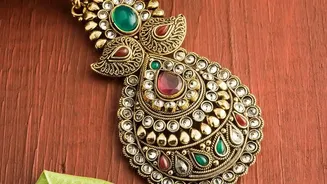
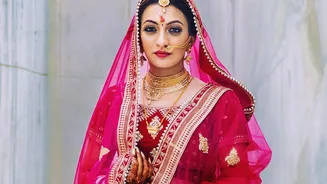
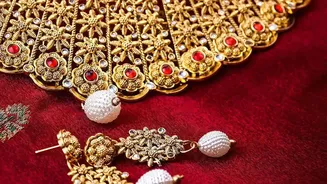
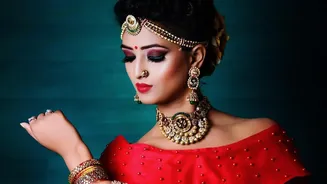
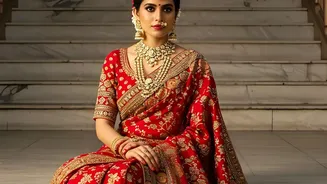
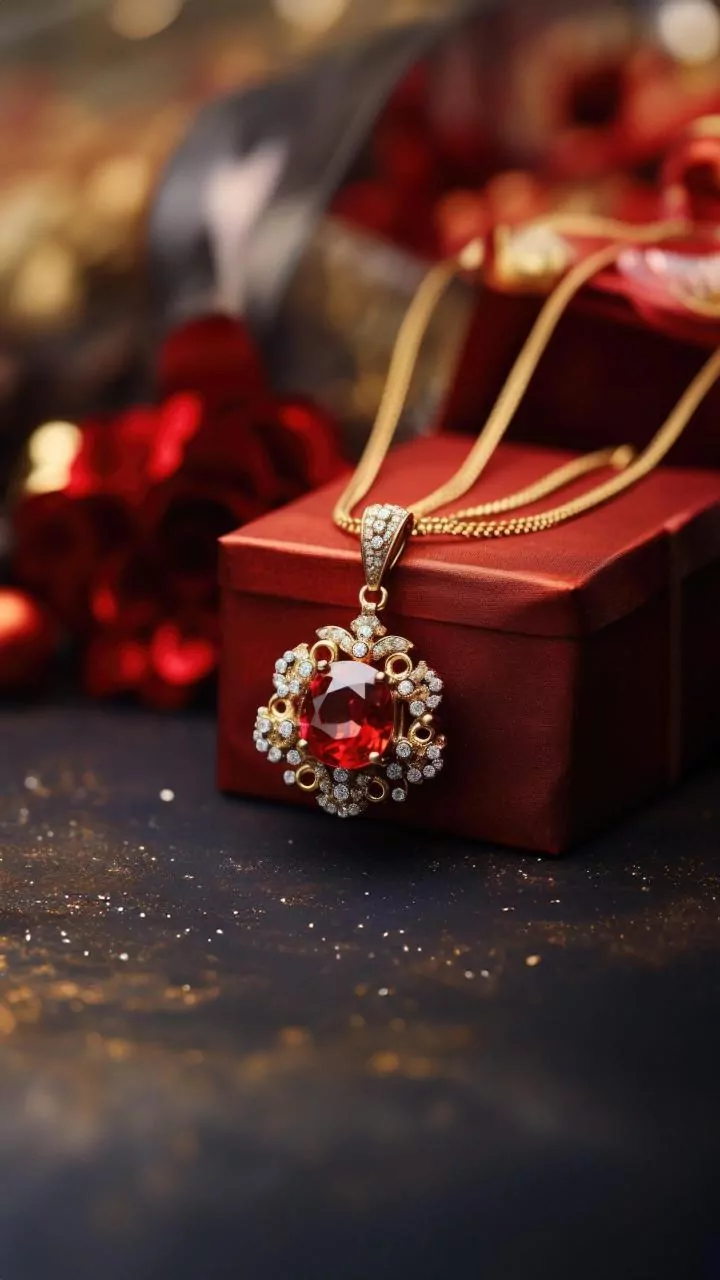
Originating in the royal courts of Rajasthan and Delhi, Kundan is one of India's most recognised jewellery styles. It is a meticulous process where highly-refined gold foil is used to set carefully shaped glass or semi-precious stones into an elaborate
frame. The term 'Kundan' itself refers to the highly refined pure gold used in this setting process. The result is a bright, reflective finish that offers a regal and structured sparkle, perfect for evening events under artificial lights where every facet can catch the light. Kundan jewellery is known for its intricate, layered designs that look incredibly lavish without the high cost associated with uncut diamonds.
The Raw Heirloom: Polki
Polki jewellery is defined by its use of uncut, unpolished diamonds left in their natural state. This technique was also popularised during the Mughal era and gives pieces a unique, raw, and understated sparkle that is very different from the fire of brilliant-cut diamonds. Because it uses real diamonds, Polki is significantly more expensive than Kundan and is often considered an heirloom investment. Each Polki diamond is unique in shape and character, meaning every piece of jewellery has a one-of-a-kind quality. Its softer, more earthy glow makes it a favourite for daytime weddings, where it offers a sophisticated and royal aesthetic.
The Master Technique: Jadau
It's a common point of confusion, but Jadau is not a type of stone; it's the master craft of setting stones into jewellery. Both Kundan and Polki pieces are created using the Jadau technique, which involves embedding stones into a gold frame that has been gently heated, without using any claws or adhesives. The word 'Jadau' comes from the word 'jadna,' meaning 'to embed'. This highly skilled process allows artisans to set irregular-shaped stones like Polki diamonds perfectly. So when you hear 'Jadau jewellery', it refers to the exceptional craftsmanship behind a Kundan or Polki piece.
The Splash of Colour: Meenakari
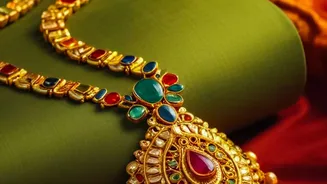
Meenakari is the art of enamelling, where vibrant colours are painted and fused onto a metal surface. Originating in Persia and perfected in Jaipur, this technique involves filling engraved designs with coloured glass powder and firing it in a kiln. You'll often find exquisite Meenakari work on the reverse side of Kundan and Polki jewellery. This was traditionally done as a mark of masterful craftsmanship, making the piece beautiful from every angle. Today, Meenakari is also featured prominently on its own, offering a burst of rich colour in floral and paisley motifs.
The Divine Form: Temple Jewellery
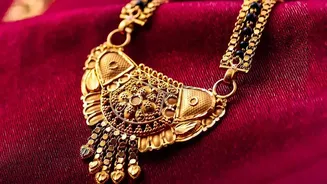
Hailing from South India, Temple jewellery is distinct in its inspiration and form. As the name suggests, it was originally crafted to adorn the idols of gods and goddesses in temples. These pieces are typically made from chunky, high-purity gold and feature intricate motifs of deities like Lakshmi, elephants, lotuses, and peacocks. Often finished with an antique or matte polish and set with deep red and green stones, Temple jewellery has a divine, substantial, and timeless appeal. It is the traditional choice for South Indian brides, perfectly complementing rich Kanjeevaram sarees.
Your Comparison Checklist
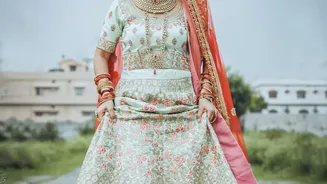
When making your choice, consider these key factors: Cost and Value: Polki is the most expensive due to its use of real, uncut diamonds and holds the highest resale value. Kundan offers a similarly regal look at a more accessible price point because it uses glass or semi-precious stones. Temple jewellery's cost is largely determined by the weight and purity of the gold. Aesthetic and Occasion: For a raw, natural, and heirloom look, choose Polki. For a bright, elaborate, and polished sparkle perfect for receptions, Kundan is ideal. For a traditional, divine, and culturally rich statement, especially for the main ceremony, Temple jewellery is unmatched. Weight and Comfort: Polki and Temple jewellery can be quite heavy due to the solid gold and real diamonds. Kundan is often lighter and may be more comfortable to wear for long hours. Pairing with Outfits: The regal look of Polki and Kundan pairs beautifully with North Indian bridal lehengas. The antique gold and divine motifs of Temple jewellery are the classic accompaniment to South Indian silk sarees.