




Why Choose Millets for Breakfast?
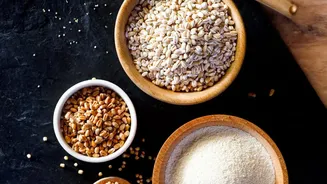
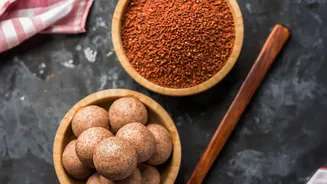
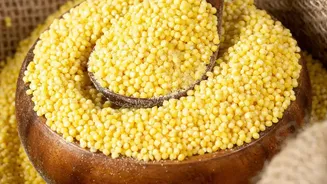
Millets, including varieties like ragi (finger millet), jowar (sorghum), bajra (pearl millet), and foxtail millet, are nutritional powerhouses that have been a staple in Indian diets for centuries. They are packed with dietary fibre, which aids digestion,
promotes a feeling of fullness, and helps manage weight. Being naturally gluten-free, they are an excellent choice for individuals with gluten sensitivities or celiac disease. Furthermore, millets have a low glycemic index, meaning they release energy slowly, preventing sudden blood sugar spikes and keeping you energized throughout the morning. Rich in essential minerals like iron, magnesium, and calcium, especially ragi, they support everything from bone health to heart function.
The Perfect Millet Porridge: A Base Recipe
Making millet porridge, or 'kanji' as it's known in many parts of India, is simple. You can use either whole millets or millet flour. For a basic porridge using flour, whisk about half a cup of millet flour (like ragi or a mixed-millet flour) with a cup of water to create a smooth, lump-free paste. Bring another cup of water or milk to a gentle boil in a saucepan, then slowly stir in the millet slurry. Cook on a low to medium flame, stirring continuously for 5-8 minutes until the porridge thickens to your desired consistency. This neutral base is now ready to be transformed into a sweet or savoury delight.
Sweet & Comforting: Cardamom & Jaggery Porridge
For a classic sweet porridge, take your cooked base and add two tablespoons of grated jaggery (gud), stirring until it completely dissolves. Introduce a pinch of green cardamom powder for that unmistakable warm, aromatic flavour. To elevate it further, add a spoonful of ghee and top with a sprinkle of chopped nuts like almonds and pistachios for a satisfying crunch. This version is not just a breakfast; it's a hug in a bowl, perfect for cool mornings or when you need a comforting start to your day.
Savoury & Spicy: Upma-Style Porridge
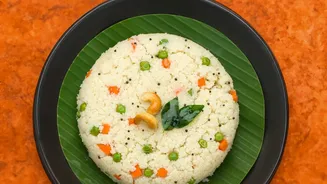
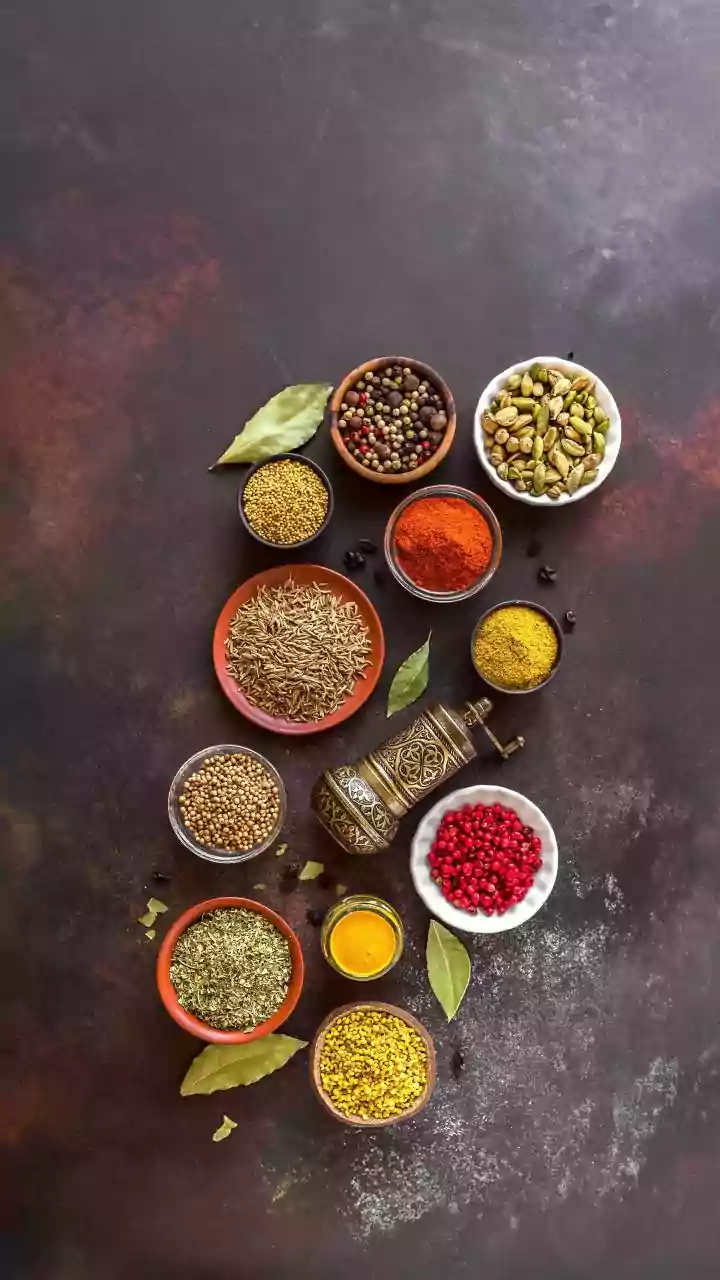
To go the savoury route, prepare a 'tadka' or tempering. Heat a little oil or ghee in a small pan, and add mustard seeds. Once they splutter, add cumin seeds, a pinch of asafoetida (hing), curry leaves, and a slit green chilli. Pour this aromatic tempering over your cooked, unsweetened porridge base. Stir in salt to taste and a pinch of turmeric for colour. You can also sauté finely chopped onions, carrots, and peas before adding them to the porridge for extra texture and nutrients, creating a dish reminiscent of a soft, comforting upma. Serve hot with a squeeze of lime juice.
Beyond Porridge: The Millet Chilla
Millets are not just for porridge. A 'chilla', or savoury pancake, is a fantastic and quick breakfast option. Create a batter by mixing millet flour (jowar or bajra work well) with some gram flour (besan), salt, turmeric, and finely chopped onions, tomatoes, and fresh coriander. Add water gradually to form a smooth, pourable batter. Lightly oil a hot tawa or non-stick pan, pour a ladleful of the batter, and spread it into a thin circle. Cook on both sides until golden brown and slightly crisp. These chillas are flavourful on their own or can be served with a side of mint chutney or plain yogurt.
Quick and Easy: Millet Poha Alternative
For a change from the usual rice poha, try using millet flakes (aval). The preparation is nearly identical and just as quick. Briefly rinse the millet flakes in a sieve and let them soften for a few minutes—be careful not to over-soak them. In a pan, prepare a tempering of mustard seeds, curry leaves, and peanuts. Sauté chopped onions until translucent, then add the softened millet flakes, turmeric, and salt. Gently mix everything together and cook for a few minutes until heated through. Garnish with fresh coriander and a generous squeeze of lemon for a zesty, wholesome, and incredibly fast breakfast.