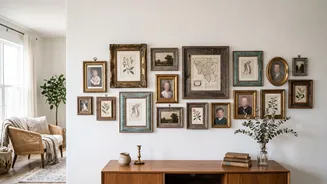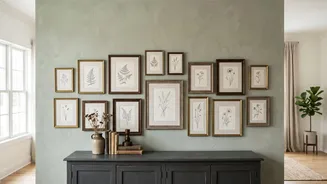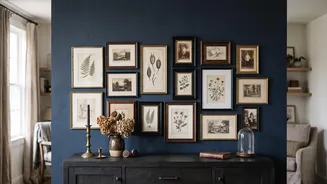



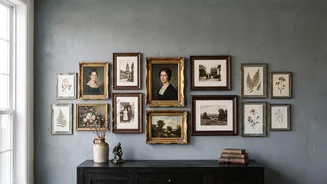
The Basic Principle: Light Reflects, Dark Absorbs
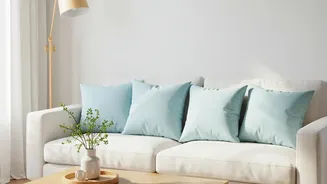
The core idea is simple and rooted in basic physics. Light-coloured surfaces, whether they are walls, floors, or furniture, reflect light. This reflection bounces natural and artificial light around the room, reducing shadows and creating a sense of openness
and airiness. In contrast, dark surfaces absorb light, which can make a space feel smaller, more enclosed, and visually heavier. For a small room that struggles with limited square footage or a lack of natural light, leveraging the reflective quality of lighter tones is one of the most effective tools in a designer's arsenal. This doesn't mean dark colours are forbidden, but it establishes why lighter tones are often the default recommendation for creating an illusion of space.
The Appeal of Lighter Woods: Mango and Teak
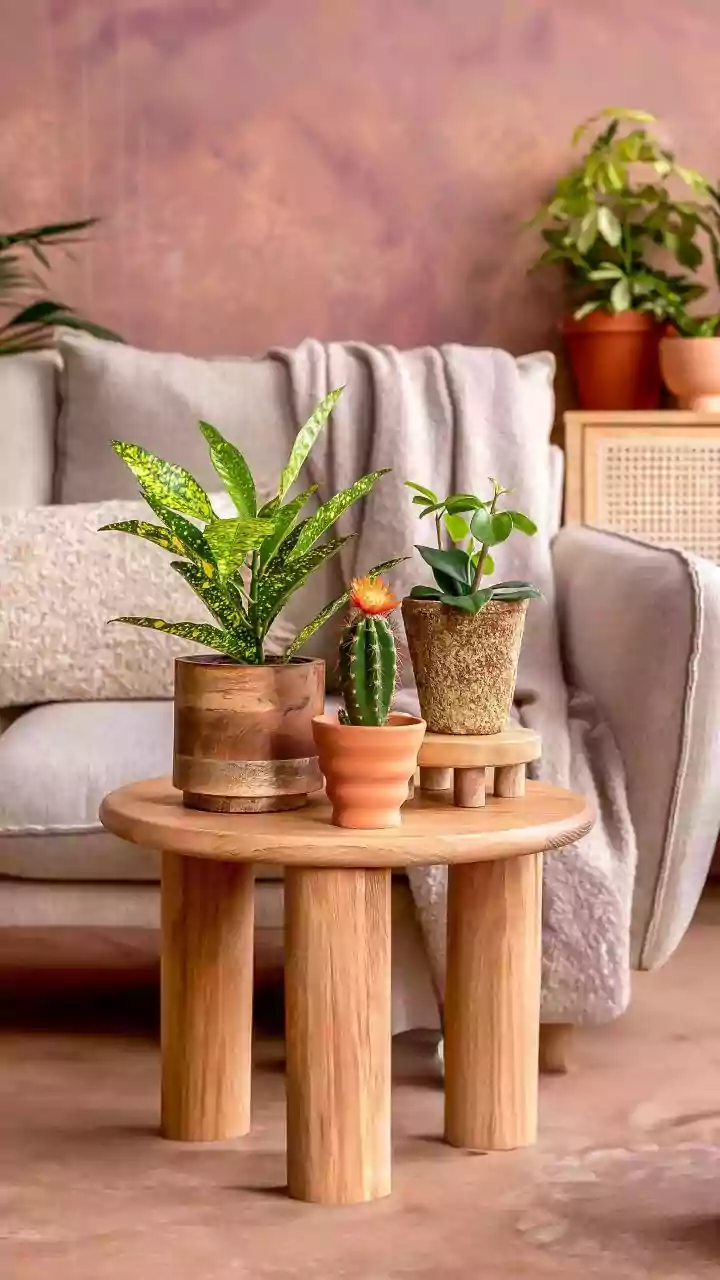
This is where woods like mango and certain tones of teak shine. Mango wood, a popular and sustainable hardwood, naturally features warm, golden-brown to lighter honey tones. Its grain is often full of character, with unique variations that add texture and warmth without the visual weight of a darker wood. Teak, while famous for its durability, can also be found in beautiful golden-brown shades when freshly cut or oiled for indoor use. These warmer, lighter tones bring a natural, organic feel to a room. They feel inviting and relaxed, a perfect match for creating a comfortable haven in a compact space. Unlike dark, heavy woods that can dominate, light mango and teak pieces add personality while contributing to the room's overall brightness.
Why Dark Woods Can Shrink a Space
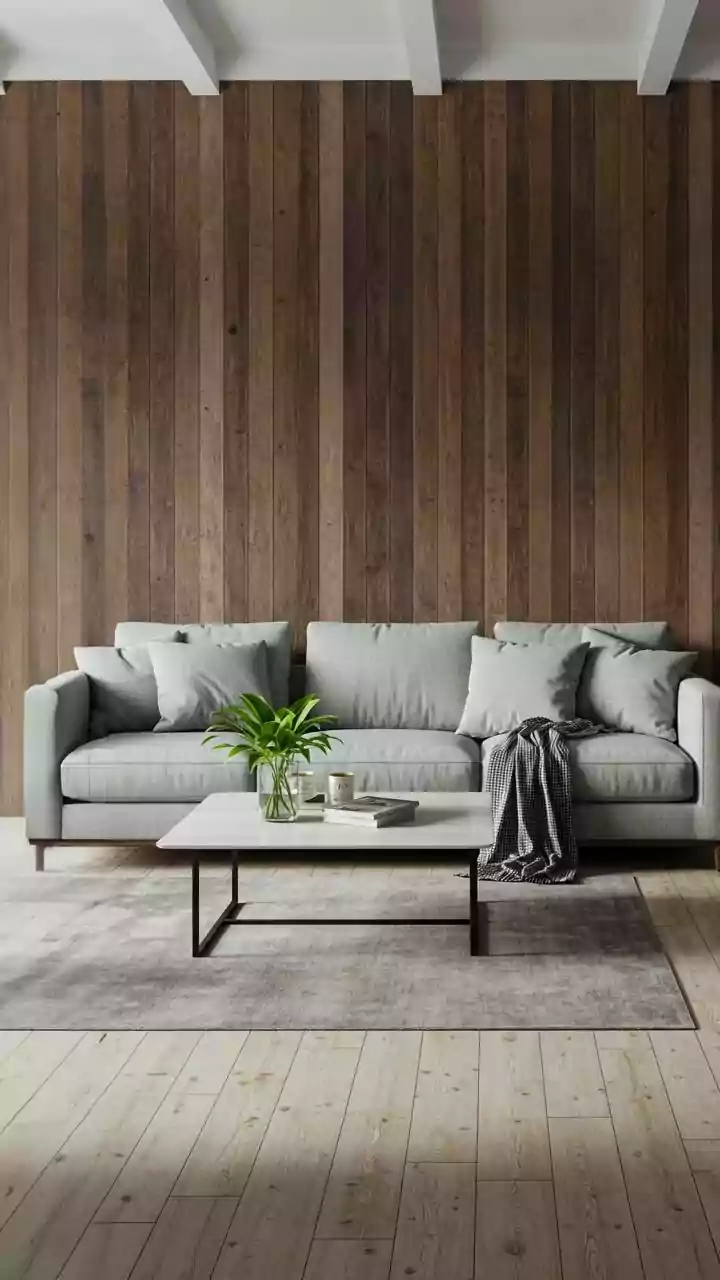
Large pieces of dark wood furniture—think of a solid mahogany bookshelf or a deep walnut dining table—have a strong presence. In a large, bright room, this can create a wonderful sense of grounding, drama, and sophistication. However, in a small room, that same commanding presence can become overpowering. Dark furniture can visually 'eat up' floor and wall space, making the room feel crowded and cramped. When multiple dark pieces are used together, they can absorb so much light that the room's corners recede into shadow, further enhancing the feeling of being closed-in. A room filled with dark furniture requires a lot more natural light and careful layering of artificial light just to feel balanced.
How to Style Light Woods for Maximum Effect
To get the most out of your light wood furniture, pair it with other space-enhancing strategies. Keep the walls in a light, neutral palette—shades of warm white, cream, or soft beige will complement the golden tones in mango and teak wood beautifully. This creates a cohesive, low-contrast look that allows the eye to travel smoothly across the room, making it feel more expansive. Enhance the effect with mirrors placed opposite a window to bounce light around the room. Also, consider furniture with a smaller footprint or pieces raised on slim legs. When you can see the floor continuing underneath a console or chair, it tricks the brain into perceiving a larger floor area.
The Exception: Using Dark Wood Intelligently
The rule that dark wood doesn't suit small spaces isn't absolute. If you love the richness of dark wood, you can still make it work by using it strategically. Instead of furnishing the entire room with dark pieces, use one as a statement or accent. A dark wood media console against a light wall, for example, can serve as a sophisticated focal point without overwhelming the space. The key is balance and contrast. Ensure the piece is surrounded by lighter elements, such as a pale rug underneath or light-coloured upholstery. Furniture with sleek lines and open frames, like a dark-toned table with slender metal legs, will also feel less bulky than a solid, heavy block of wood. In a room with very high ceilings or an abundance of sunlight, a few dark pieces can add welcome depth and definition.