





The Monsoon's Erratic Goodbye
The traditional image of the Indian monsoon is one of a dramatic arrival in June and a steady retreat by September. However, climate change is rewriting this schedule. The 2026 Southwest monsoon officially ended with a significant rainfall deficit, influenced
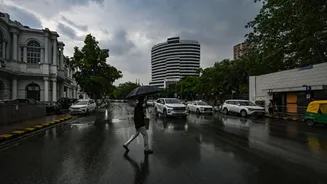
by a strong El Niño. This doesn't just mean less rain overall, but also a more unpredictable withdrawal. Scientists have noted that monsoon withdrawal is becoming less of a clean exit and more of a staggered process, with late-season bursts of rain and prolonged dry spells becoming more common. For travellers, this means that while October is generally an excellent month to visit, you can no longer assume clear skies everywhere. The key is to understand the regional nuances and plan for a little unpredictability.
North India: The Safest Bet
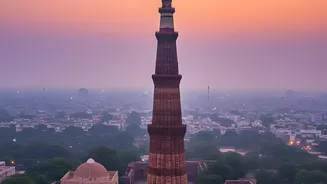
For those seeking classic sunny holiday weather, North India is your best option. By October, the Southwest monsoon has typically withdrawn entirely from Rajasthan, Delhi, Punjab, Haryana, and the Himalayan states. This ushers in a period of clear skies, comfortable daytime temperatures, and crisp mountain air, making it ideal for sightseeing. Explore the majestic forts of Jaipur, Jodhpur, and Udaipur, which look refreshed and green after the rains. In Himachal Pradesh and Uttarakhand, it's apple harvesting season, and the views of the snow-capped peaks are often unobstructed. Adventure activities like rafting in Rishikesh also pick up this month. While generally dry, keep an eye out for the occasional Western Disturbance, which can bring brief, late-season showers to the northern plains and hills.
South India: A Tale of Two Monsoons
The South presents a more complex picture. As the Southwest monsoon retreats, the Northeast monsoon prepares to set in, typically affecting Tamil Nadu, parts of Andhra Pradesh, and Kerala towards the latter half of October. The India Meteorological Department (IMD) has forecast a normal Northeast monsoon for the southern peninsula in 2026, though some northern parts of Tamil Nadu might see below-normal rain. For travellers, this means you can expect lush, green landscapes in places like Kerala's backwaters and Wayanad's hills, but with a chance of afternoon showers. Interior Karnataka, including historical sites like Hampi, is often drier and very pleasant. If you're planning a trip to the southern states, pack a light rain jacket and build some flexibility into your itinerary.
West & Central India: Lush, Green, and Uncrowded
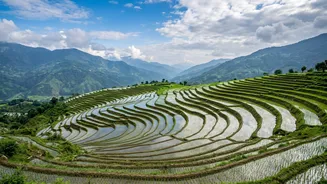
October is a sweet spot for visiting Western and Central India, including Goa, Maharashtra, and Madhya Pradesh. The monsoon has just washed the landscape clean, leaving it brilliantly green and vibrant, but the peak season crowds have not yet arrived. In Goa, the tourist season officially kicks off, with beach shacks reopening and a pleasant breeze in the air. While the sea might still be a bit rough for swimming early in the month, the beaches are clean and the atmosphere is relaxed. However, the withdrawal here can be slow, and occasional showers are still possible, especially in the first half of the month. Wildlife sanctuaries like Bandhavgarh and Kanha in Madhya Pradesh also reopen in October, but since water sources are plentiful after the rains, wildlife sightings might be less frequent than in the drier months.
East & Northeast: Proceed with Caution
This region is often the last to see the monsoon withdraw, and the process can be unpredictable. The East and Northeast saw its driest monsoon season on record in 2026, which paradoxically can be followed by volatile weather. The Bay of Bengal can become active in October, sometimes generating cyclonic systems that bring heavy rain to coastal areas of Odisha and West Bengal, and the northeastern states. While October can be a beautiful time to visit places like Darjeeling for clear views of Kanchenjunga, it's crucial to monitor the weather forecast closely before and during your trip. This region offers stunning post-monsoon beauty but requires the most flexibility from travellers. Having a backup plan is highly recommended.