




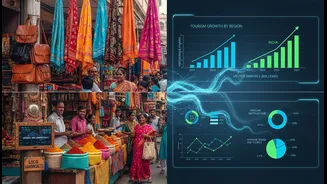




What Is This New Data Hub?
The Ministry of Tourism has consolidated its data-driven initiatives into a powerful ecosystem, primarily revolving around the National Integrated Database of Hospitality Industry (NIDHI) and a public-facing analytics portal. The NIDHI+ portal serves
as a comprehensive registration platform for accommodation units, tour operators, and other tourism businesses across the country. Its goal is to create a verified, all-encompassing database that forms the backbone of the ministry's digital strategy. Complementing this is a research and analytics portal that makes key tourism statistics—like international and domestic tourist arrivals, and foreign exchange earnings—publicly accessible through interactive dashboards and raw data sets. Together, these platforms aim to create a transparent, data-informed environment for the entire tourism sector.
Data for Every Decision
At its core, this initiative is about making high-quality data available to everyone. For policymakers and researchers, the portal offers a treasure trove of information, from annual tourism compendiums to specific study reports and raw data files. Key metrics such as the average duration of stay for international tourists, popular source countries, and the purpose of visits (leisure, business, medical) are tracked and updated. This data is crucial for strategic planning, helping authorities understand travel patterns, assess the carrying capacity of destinations, and formulate policies that drive sustainable growth. The portal's stated objectives include supporting timely decision-making and enhancing institutional capacity by promoting the role of data in planning.
How It Helps the Modern Traveler
While much of the portal is geared towards industry and policy, its benefits trickle down to the everyday traveler. By registering and verifying hotels, homestays, and B&Bs, the NIDHI platform enhances trust and credibility. When you see a property listed as registered, it signifies adherence to certain standards, increasing guest confidence. Furthermore, the data collected helps in understanding what tourists are looking for. This allows for the creation of better-curated content and promotional materials on platforms like the Incredible India website, which features an AI-powered chatbot, weather updates, and tour operator listings to assist in travel planning. This focus on a data-driven experience means future travel planning in India could become more seamless and personalized.
Empowering the Tourism Industry
For businesses in the hospitality sector, from large hotel chains to independent homestay owners, the NIDHI+ portal is a critical tool for growth. Registration provides a unique ID and opens a gateway to various government services and benefits. Verified businesses gain higher visibility through official tourism websites and promotional campaigns. The platform also simplifies processes like applying for hotel classification, with recent updates in March 2026 making the system for approvals fully online and integrated with a payment gateway for greater transparency. This digital-first approach aligns with the government's 'Aatmanirbhar Bharat' initiative, using technology to empower businesses and improve the ease of doing business.
The Bigger Picture for Indian Tourism
The launch and enhancement of this data infrastructure signal a major shift in how India manages its tourism sector. The industry contributed significantly to the nation's GDP and employment prior to the global pandemic and is on a steady path to recovery. By creating a unified digital ecosystem, the Ministry of Tourism is moving from reactive information sharing to proactive, intelligent planning. This data-centric model allows for the development of niche tourism products like medical, wellness, and eco-tourism with greater precision. It also enables a future where smart tourism platforms can offer dynamic pricing, real-time performance tracking for destinations, and deeply personalized experiences for visitors, ensuring India's tourism growth is not just memorable, but also measurable and sustainable.