





More Than Just Decoration
Placing a plant on your desk is about more than just aesthetics. Studies have shown that the presence of indoor plants can reduce stress, boost productivity, and improve overall well-being. A study from the University of Exeter even found that plants in an office
increased productivity by 15%. For students and remote workers, creating a pleasant and calming environment is key to staying engaged and motivated during long hours of work. A splash of green can break the monotony of screens and textbooks, offering a natural focal point that helps reduce mental fatigue.
The Truth About Air Purification
Many headlines celebrate snake plants and pothos for their air-purifying abilities, a claim that stems from a 1989 NASA study. The study found that certain plants could remove common household toxins like formaldehyde and benzene from sealed chambers. However, it's important to have realistic expectations. Our homes and offices are not sealed labs; they have constant air exchange. More recent analyses have concluded that you would need a huge number of plants—perhaps 10 to 1,000 per square metre—to replicate NASA's results in a typical room. While your single desk plant won't act as a powerful air filter, it does contribute modestly to a healthier indoor ecosystem and releases oxygen, which is always a plus.
Spotlight: The Resilient Snake Plant
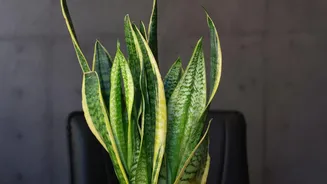
The Snake Plant (Sansevieria trifasciata) is the ultimate survivor, making it perfect for beginners or forgetful waterers. Its stiff, upright leaves offer a modern, architectural look that adds a touch of drama to any desk. One of its standout features is its ability to perform photosynthesis at night, releasing oxygen while you sleep, which makes it a popular choice for bedrooms. It's also known to filter toxins like formaldehyde and benzene.Care is incredibly simple. Snake plants thrive on neglect. They tolerate low light but do best in bright, indirect sunlight. The biggest mistake you can make is overwatering. Allow the soil to dry out completely between waterings—this might mean watering only once every two to three weeks, or even less in winter. A well-draining soil mix, like one for cacti or succulents, is ideal.
Spotlight: The Forgiving Pothos
The Pothos (Epipremnum aureum), often called Devil's Ivy, is another famously easy-to-care-for plant. Its trailing, heart-shaped leaves can create a beautiful cascading effect from a shelf or the edge of your desk. Pothos is known for being adaptable and resilient, making it an excellent choice for first-time plant owners. It is also cited for its ability to help remove indoor air pollutants.To keep a Pothos happy, provide it with bright, indirect light. It can tolerate lower light, but its variegation might fade. Like the snake plant, it prefers its soil to dry out a bit between waterings. A good rule of thumb is to water thoroughly when the top inch or two of soil feels dry. This plant is very communicative; if it starts to look a little droopy, it's likely just thirsty. It's important to note, however, that Pothos is toxic to pets and humans if ingested, so keep it out of reach of curious pets or children.
Choosing Your Green Study Buddy
When picking out your plant at a nursery, look for one with vibrant, healthy-looking leaves. Avoid plants with yellowing leaves, brown spots, or any signs of pests. Both Snake Plants and Pothos come in various forms and colours. The Golden Pothos features yellow-splashed leaves, while the Marble Queen Pothos has creamy white variegation. Snake plants can be found in dark green, striped, or even cylindrical varieties. Consider the size of your desk and the available light when making your choice. A compact Snake Plant variety might be perfect for a small corner, while a Pothos in a hanging basket can add vertical interest without taking up valuable surface area. No matter which you choose, you're adding a durable, living element to your workspace that asks for very little in return.