
Jharkhand’s Hidden Monsoon Jewel
Tucked away in the Kasmar block, about 50 kilometres from the industrial hub of Bokaro Steel City, lies the Sevati Valley. Also known as Sewati Ghati, this picturesque area on the border of Jharkhand and West Bengal undergoes a dramatic transformation
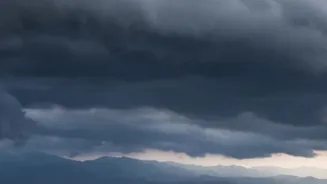
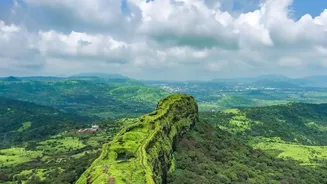
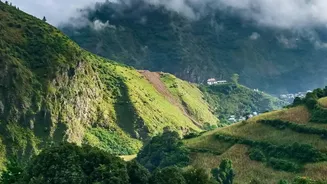
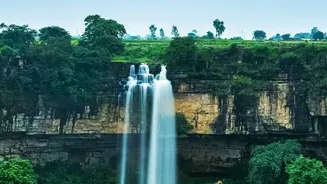
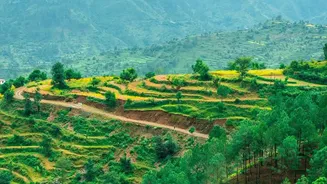
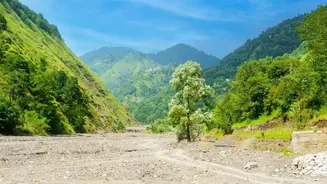
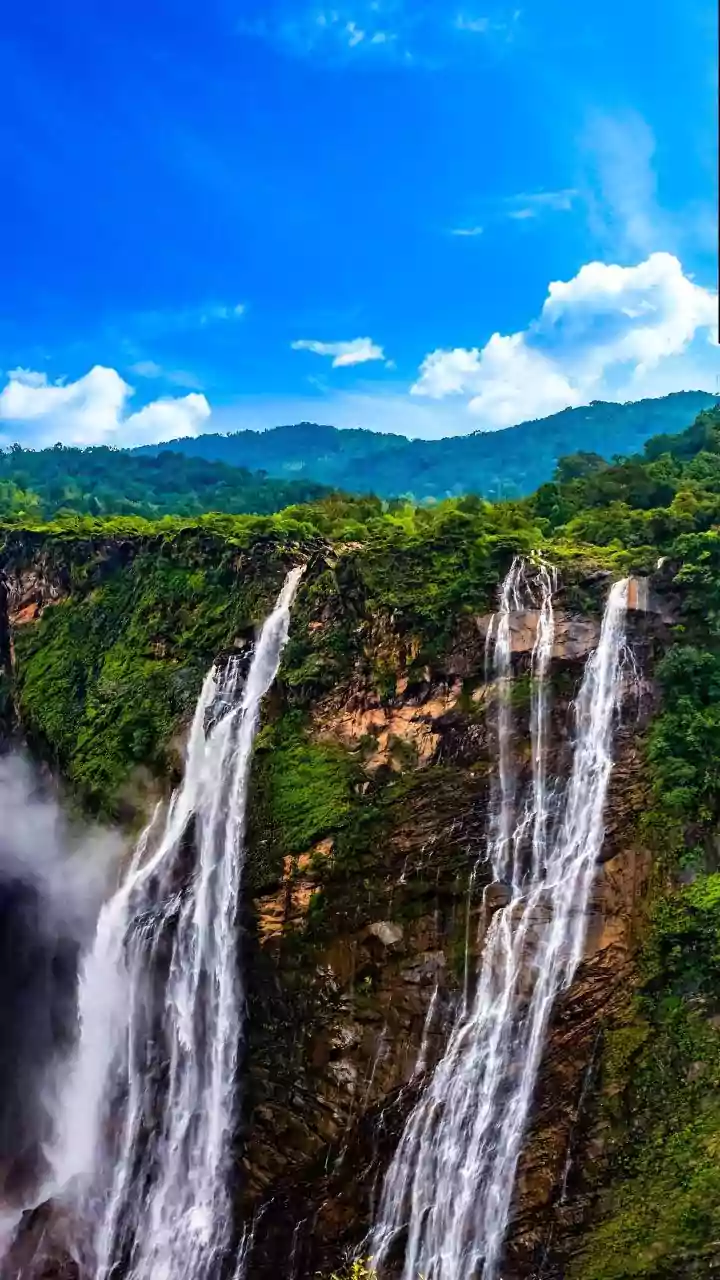
with the arrival of the seasonal rains. What is a quiet, scenic spot for most of the year becomes a vibrant landscape of cascading waterfalls, cloud-covered hills, and lush greenery, drawing travellers and locals alike who are in search of a tranquil escape. Recent steady rainfall has made the valley particularly spectacular, with its main waterfall becoming a stunning centrepiece against the verdant hills.
A Symphony of Water and Greenery
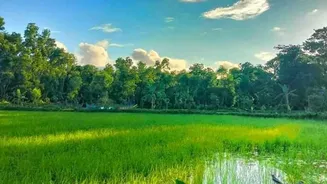
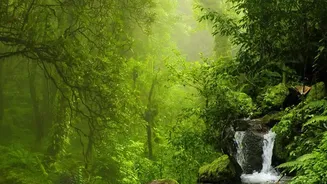
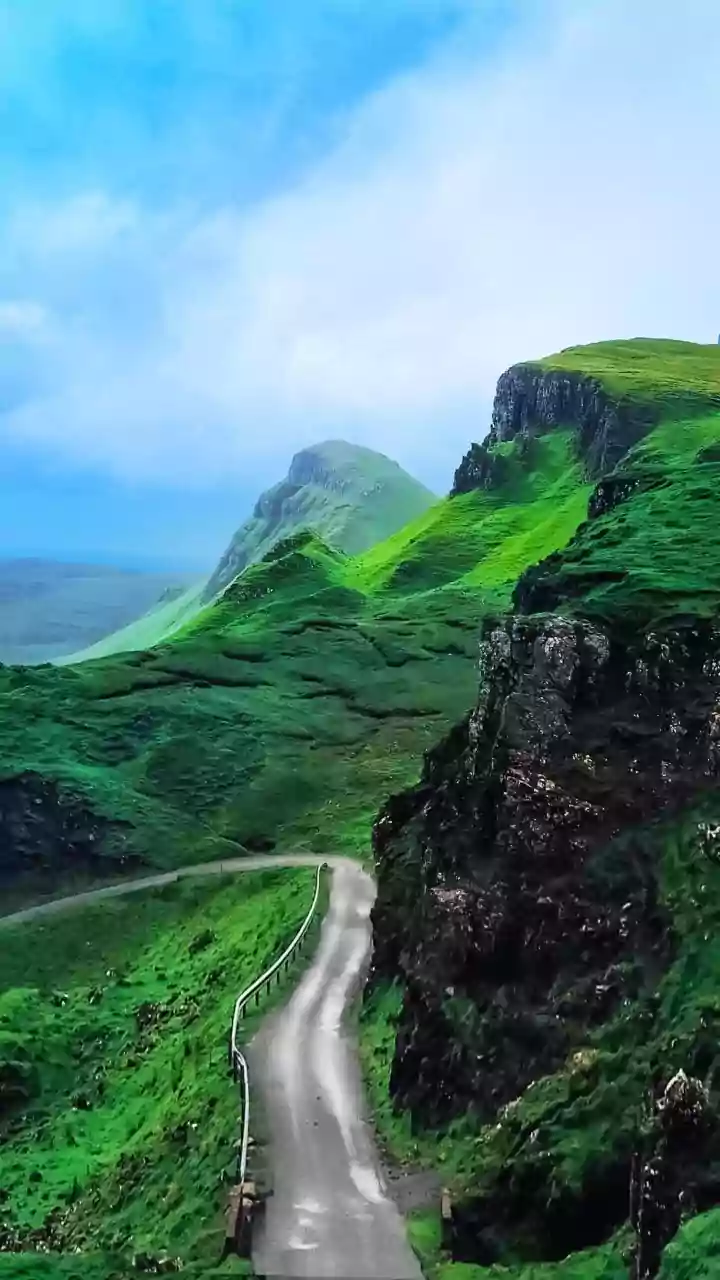
The magic of Sevati Valley during the monsoon is its raw, natural beauty. The primary attraction is the sight of white cascades of water tumbling down through dense, emerald foliage, creating a picture-perfect scene that has motorists pulling over just to soak it all in. The valley becomes a playground of countless small streams and rivulets that crisscross the landscape, their gentle sounds adding to the serene atmosphere. For photographers and nature enthusiasts, it offers an ever-changing canvas of mist, light, and vibrant colour. The 'ghati' or valley road itself provides stunning panoramic views, making the journey as beautiful as the destination.
Activities for the Serene Traveller
A trip to Sevati Valley is less about adrenaline-pumping adventure and more about peaceful immersion in nature. It is an ideal destination for picnics with family and friends, where you can relax to the sound of flowing water. The area's rolling hills are also suitable for light trekking, offering memorable journeys through the serene landscape. Photography is, of course, a major draw, with every turn offering a new composition of hills, water, and sky. It’s a place to disconnect from the hustle of city life and reconnect with the simple, powerful beauty of the natural world. While the valley offers immense beauty, visitors should note that the terrain can be slippery, and the water flow in streams can be strong during heavy rains.
Planning Your Monsoon Visit
Sevati Valley is most easily accessed by road from Bokaro Steel City, which is well-connected by train to major cities. From Bokaro, a drive of approximately 50 kilometres will bring you to this natural wonder. While the monsoon season is when the valley is at its most spectacular, the weather is also pleasant for visits between October and March. Visitors are advised to wear sturdy footwear suitable for wet and uneven ground. It's also a good idea to pack rain gear and some snacks and water, as amenities in the immediate vicinity are limited. Local leaders and residents have been advocating for the development of basic tourism infrastructure, such as seating areas, proper signboards, and sanitation facilities, to make the area more accessible and to boost local livelihoods.
Exploring the Broader Bokaro Region
A visit to Sevati Valley can be part of a larger exploration of the Bokaro region's attractions. The area is home to several other points of interest that offer a mix of nature and man-made marvels. Garga Dam and Tenughat Dam are two large reservoirs that offer breathtaking views and are popular spots for picnics and quiet reflection. For those interested in wildlife, the Jawaharlal Nehru Biological Park in Bokaro Steel City provides a well-maintained home for a variety of animals and birds. Nearby religious sites like the Bokaro Jagannath Temple, a replica of the famous temple in Puri, add a spiritual dimension to any trip.