




The White Rice Reality
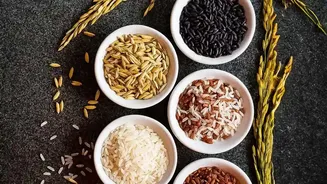
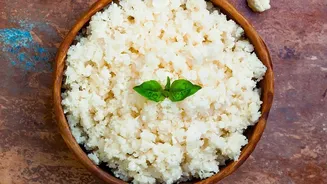
Polished white rice is a comforting staple, but the refining process strips it of its bran and germ, removing a significant amount of fibre, vitamins, and minerals. What’s left is mostly starch. This results in a high glycemic index, which can cause rapid
spikes in blood sugar. More importantly for gut health, its low fibre content—often less than half a gram per 100g—means it does little to feed the beneficial bacteria in your digestive system. While it’s easy to digest, it doesn't provide the fuel your gut microbiome needs to thrive.
Meet Foxtail Millet (Kangni)
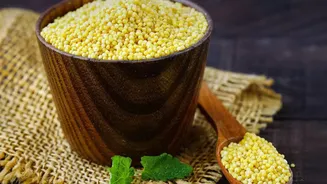
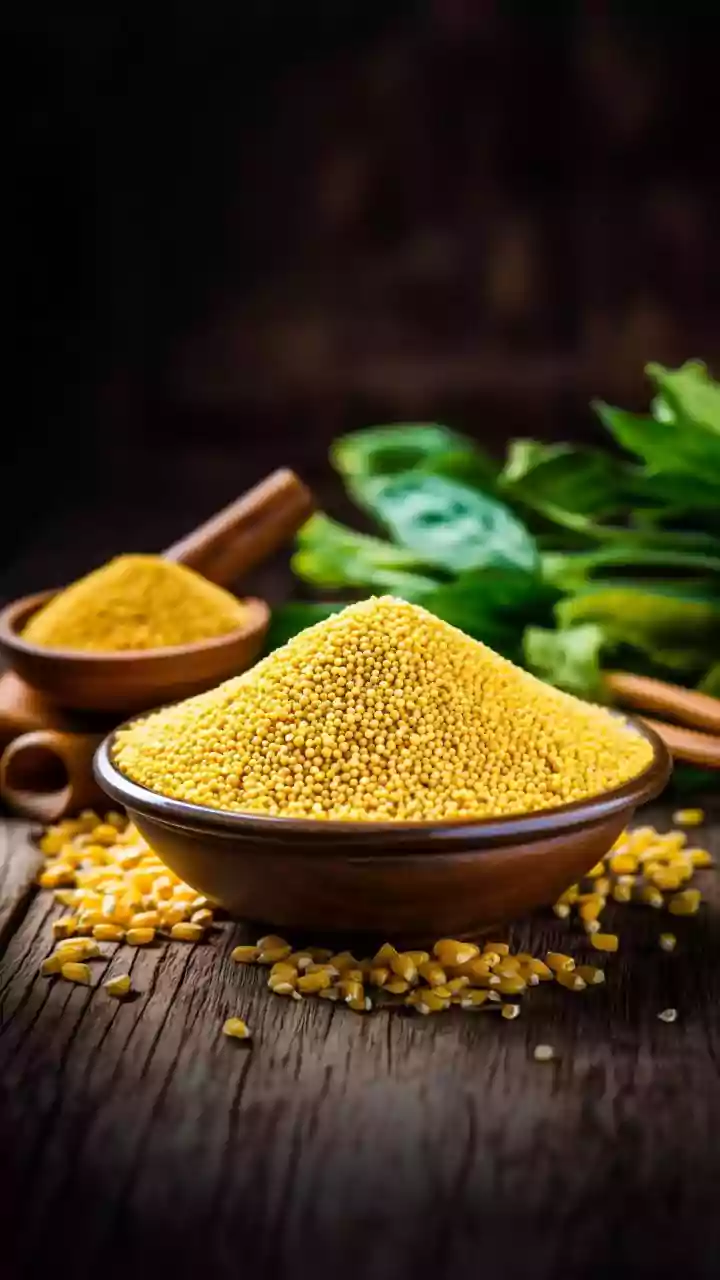
Enter foxtail millet, known as Kangni in Hindi. This tiny, gluten-free grain is a nutritional powerhouse, especially for your gut. It is packed with dietary fibre, containing roughly 8 grams per 100g, which is significantly more than white rice. This fibre isn't just for show; it acts as a prebiotic, providing essential food for the healthy bacteria in your gut. A well-nourished microbiome can lead to improved digestion, reduced inflammation, and better overall gut health. The combination of soluble and insoluble fibres in foxtail millet also aids in regular bowel movements, preventing issues like constipation and bloating.
Cooking With Kangni
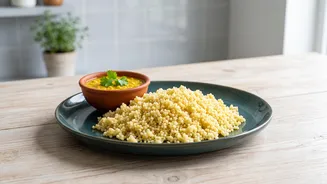
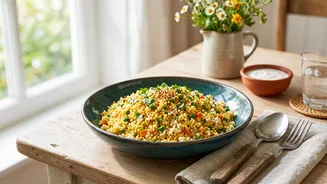
Adopting foxtail millet is simpler than you think. The key is to rinse it well and soak it for at least 20-30 minutes, which improves its texture and makes it easier to digest. You can cook it on the stovetop just like rice, using a ratio of 1 part millet to 2 parts water. Dry roasting the grains for a couple of minutes before adding water can enhance their nutty flavour. It's incredibly versatile and can be used to make everything from a simple replacement for steamed rice to upma, khichdi, and even pulao.
Spotlight on Sorghum (Jowar)
Sorghum, or Jowar, is another ancient grain making a well-deserved comeback. Naturally gluten-free, it’s a fantastic option for those with sensitivities. When it comes to gut health, sorghum shines due to its unique composition of dietary fibre, resistant starch, and antioxidant compounds called polyphenols. These elements work together to nourish beneficial gut bacteria like Bifidobacterium and Lactobacillus, while potentially suppressing harmful ones. The fermentation of sorghum's resistant starch in the colon helps produce short-chain fatty acids, which are crucial for maintaining a healthy gut barrier and reducing inflammation.
Bringing Jowar to Your Table
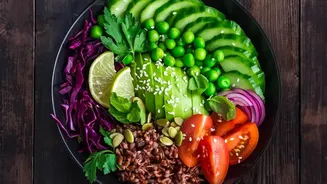
While many in India are familiar with Jowar flour for making rotis, the whole grain is equally versatile. It has a wonderfully chewy texture and a mild, earthy flavour. Cooking whole grain sorghum takes longer than rice, typically around 50-60 minutes on the stovetop. It can be used as a base for hearty grain bowls, added to salads and soups for texture, or even popped like popcorn for a healthy snack. Because it holds its texture well, cooked sorghum is excellent for meal prepping.
Making the Healthy Swap
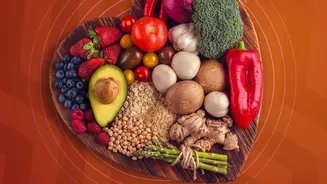
Switching from a lifetime of white rice doesn't have to be an all-or-nothing decision. Start by introducing foxtail millet or sorghum into one or two meals a week. You can also try a mixed approach, cooking half white rice and half millet together to slowly adjust your palate. The goal isn't to completely banish white rice but to diversify your plate. By incorporating these nutrient-dense ancient grains, you are not just swapping ingredients; you are upgrading your nutrition and actively investing in the long-term health of your gut.