





Lightweight Clothing for Tropical Days
The Andamans are warm and humid year-round, even in autumn, with temperatures typically ranging from 23–31°C. Pack light, breathable fabrics like cotton and linen to stay comfortable. Think t-shirts, shorts, casual sundresses, and loose trousers. You'll
want at least two or three sets of swimwear for your beach and diving days. A sarong or kaftan is perfect as a quick cover-up. While days are warm, evenings by the sea can get a little breezy, so a light jacket, shawl, or a full-sleeve shirt is a wise addition for ferry rides or post-sunset strolls.
Footwear for Sand, Sea, and Trails
You'll likely spend most of your time in sandals or flip-flops, so pack a comfortable pair you don't mind getting wet and sandy. For adventure activities, a pair of water shoes is invaluable, offering protection during water sports and on rocky shores. If your itinerary includes trekking, such as the trail from Munda Pahad to Chidiya Tapu, a pair of sturdy walking shoes or sneakers will be necessary. Many travellers make the mistake of bringing impractical shoes; prioritise function over fashion for footwear.
The Scuba Diver’s Essential Kit
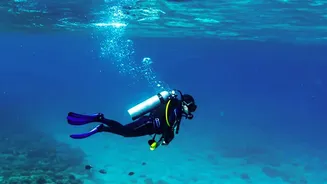
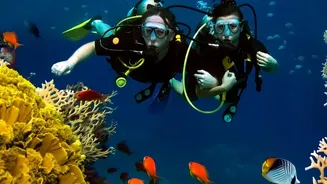
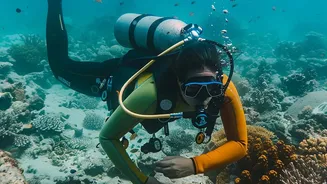
While dive shops in places like Havelock and Neil Island rent out major equipment, many divers prefer to bring their own for comfort and hygiene. Your personal mask and snorkel are great items to pack, ensuring a perfect fit. A dive computer is another piece of personal gear many divers won't travel without. Don't forget your certification card and logbook, as dive centres will need to see them. All other bulky equipment like BCDs, regulators, and fins can easily be rented on-site. If you're certified, you're all set. If not, you can sign up for an introductory dive with a certified operator.
Sun and Skin Protection
The tropical sun is strong, especially when reflected off the water. A wide-brimmed hat, UV-protection sunglasses, and high-SPF sunscreen are non-negotiable. To protect the Andamans' vibrant coral ecosystems, opt for a reef-safe, mineral-based sunscreen containing non-nano zinc oxide or titanium dioxide. Mosquitoes and sandflies can be present, especially in the evenings and near forested areas, so a reliable insect repellent is a must-have. A rash guard is also a fantastic item, offering protection from both the sun and potential jellyfish stings during water activities.
Documents and Health Supplies
Indian nationals do not need a permit to visit the main tourist islands like Port Blair, Havelock, and Neil, but you must carry a valid government-issued photo ID like an Aadhaar card or passport for flights, ferries, and hotel check-ins. Pack a small first-aid kit with essentials like antiseptic wipes, bandages, pain relievers, and any personal prescription medications. It's also wise to include tablets for sea sickness, as ferry crossings can sometimes be choppy. Having some cash on hand is recommended, as ATM availability can be unreliable on the smaller islands.
Gadgets for an Action-Packed Trip
To capture the stunning underwater world, a waterproof camera or a waterproof case for your phone is essential. A power bank is crucial for keeping your devices charged, as you'll be out exploring all day. One of the most important accessories for any water-based vacation is a dry bag. It will keep your electronics, wallet, and other valuables safe and dry whether you're on a boat, kayak, or just relaxing on the beach. Since single-use plastic is restricted, carrying a reusable water bottle is both practical and environmentally responsible.