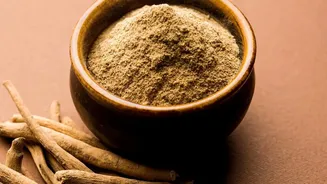




Understanding the Role of Adaptogens
Before diving into the specifics of each herb, it's helpful to understand what they are. Both Ashwagandha and Brahmi are considered adaptogens. Think of adaptogens as clever herbal assistants for your body. They don't just mask symptoms; they help your system
adapt to and manage physical, mental, and emotional stressors. These plants work by interacting with your body's stress response system, primarily the hypothalamic-pituitary-adrenal (HPA) axis, to promote balance, or homeostasis. If your stress hormones, like cortisol, are too high, an adaptogen can help bring them down. If you're feeling depleted, they can help restore vitality. This intelligent, balancing act is what makes them so relevant for today's wellness-conscious professionals.
Ashwagandha: The Stress and Anxiety Soother
Ashwagandha, sometimes called 'Indian Ginseng', is one of the most revered herbs in Ayurvedic medicine for its restorative properties. Its primary strength lies in its profound ability to calm the nervous system and combat the physical effects of stress. For young professionals experiencing that 'wired but tired' feeling, Ashwagandha can be particularly beneficial. Research shows it helps significantly reduce levels of cortisol, the body's main stress hormone. This reduction in cortisol can lead to a cascade of positive effects, including reduced feelings of anxiety, improved sleep quality, and a greater sense of overall calm. If your stress manifests as sleepless nights, tension, and a constant feeling of being on edge, Ashwagandha is the herb traditionally turned to for relief.
Brahmi: The Cognitive Enhancer
Brahmi, also known as Bacopa monnieri, operates differently. While it also has calming properties, its main claim to fame is its role as a 'brain tonic'. Brahmi is celebrated for its ability to enhance cognitive functions like memory, focus, and learning. For professionals whose stress comes from mental fatigue, information overload, and difficulty concentrating during long workdays, Brahmi is often the more targeted choice. The active compounds in Brahmi, known as bacosides, are thought to help repair damaged neurons and improve communication between brain cells. This supports mental clarity, sharpens focus, and can help you process information more efficiently, making it ideal for tasks that require sustained mental effort.
Ashwagandha vs. Brahmi: Which Is Right for You?
The choice between Ashwagandha and Brahmi ultimately depends on how stress affects you. It’s a classic case of 'body versus brain'.
Choose Ashwagandha if you feel your stress physically. This is for when you feel overwhelmed, anxious, have trouble sleeping, or are physically exhausted from pressure. It targets the body's direct stress response, helping to bring a sense of calm and restoration.
Choose Brahmi if your stress is primarily mental. This is for when you experience brain fog, forgetfulness, an inability to focus, or feel mentally scattered. It works to sharpen your cognitive functions, helping you think more clearly under pressure.
Interestingly, the two herbs are not mutually exclusive. In Ayurveda, they are often combined to provide balanced support for both the mind and body, as their benefits are complementary.