



Start with a Clean Slate
Before you can build a new system, you must clear out the old one. The first step towards a peaceful fridge-sharing experience is a group clean-out. Schedule a time when all users are available and tackle the task together. Dispose of anything that is expired,
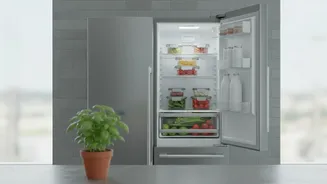
unidentifiable, or has developed its own ecosystem. This isn't just about hygiene; it's a symbolic reset that gets everyone invested in the new plan. Wipe down all the shelves, drawers, and walls. A completely empty and sparkling clean fridge provides the perfect blank canvas for your new organisational masterpiece.
Divide and Conquer with Shelf Zones
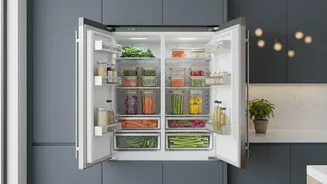
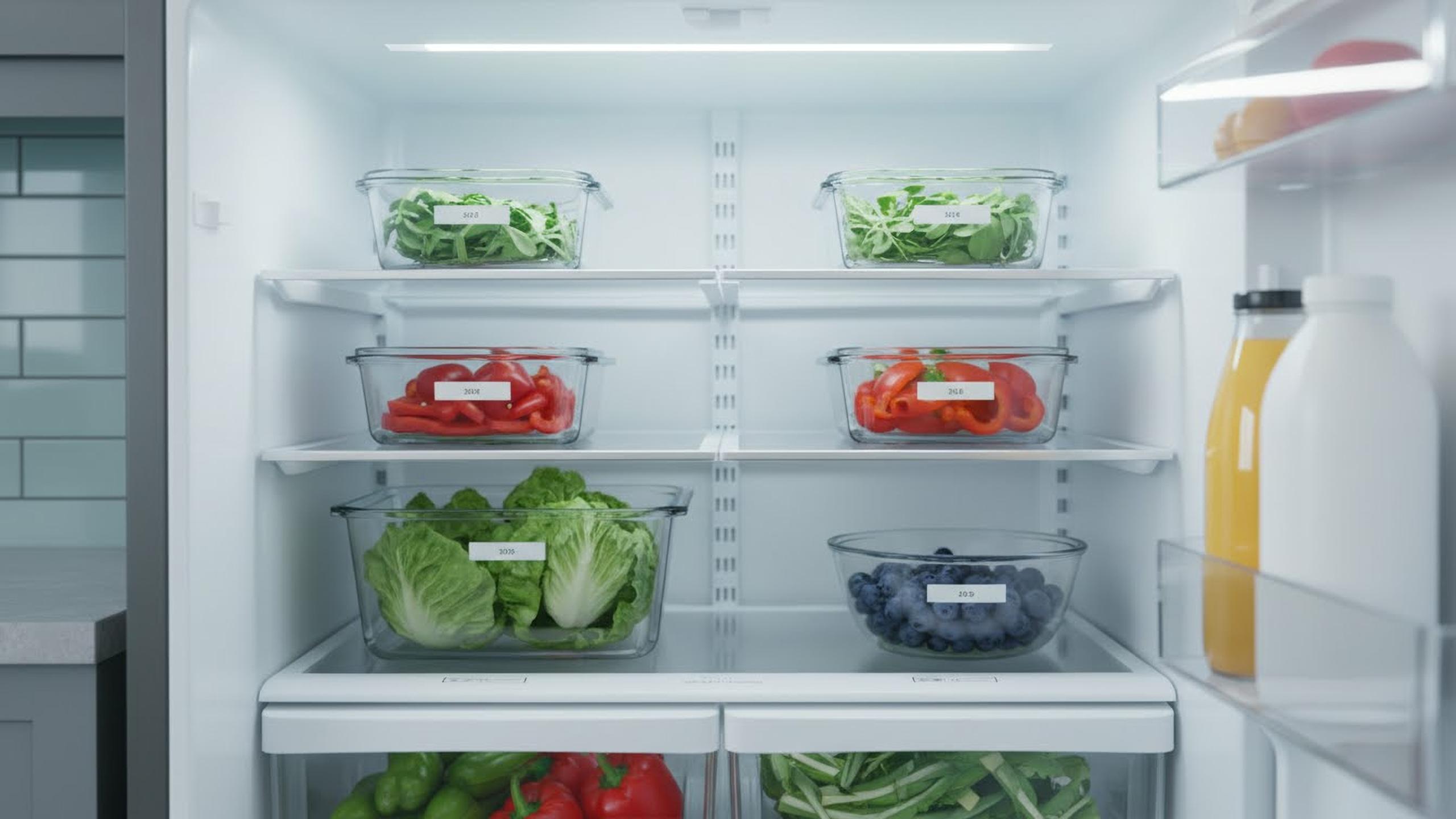
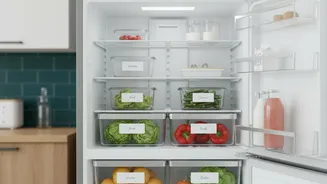
The core of any successful shared-fridge plan is the division of space. Assigning specific zones to each person is the clearest way to prevent clutter and territorial disputes. How you divide it depends on your fridge's layout and the number of people. For two people, you can simply split the fridge down the middle. For larger groups, assigning one shelf per person is an effective strategy. The crisper drawers can also be designated for specific individuals. This ensures everyone has a fair and predictable amount of space for their groceries and leftovers. The door is often best treated as a communal space for shared condiments and drinks.
The Power of the Label
A simple marker and some masking tape can be your greatest allies in maintaining fridge harmony. Labelling is crucial, especially for items that look similar or for leftovers. Encourage everyone to label their food, particularly items they don't want to be mistaken as communal. Adding the date you opened an item or cooked a meal is also a game-changer. This helps everyone know what's fresh and what needs to be used up, reducing both food waste and the dreaded science experiments that lurk in the back of the fridge. It takes the guesswork out of the weekly clear-out.
Establish Rules for Shared Goods
While individual zones are important, some items just make sense to share. Milk, butter, eggs, and common condiments like ketchup are often bought in duplicate, wasting space and money. Have an open conversation to decide which items will be communal. Once you've agreed on a list, decide how you'll handle purchasing and restocking. You could create a shared digital shopping list, rotate purchasing duties, or use a pot that everyone contributes to for shared essentials. This proactive approach prevents the classic frustration of finding the milk carton empty when you need it most.
Schedule a Weekly Tidy-Up
Even the best systems require maintenance. To prevent a slow slide back into chaos, schedule a regular, recurring time for a quick fridge clear-out. This doesn't have to be a deep clean every time. The goal is to spend 10 minutes each week—say, every Sunday evening—purging old leftovers, wiping up minor spills, and making sure everything is in its designated zone. You can rotate the responsibility or do it as a group. This consistent routine ensures the fridge stays organised and prevents any one person from feeling like they're the sole keeper of the kitchen.
Put Your Agreement in Writing
A verbal agreement is good, but a written one is better. It prevents misunderstandings and serves as a neutral reference point when issues arise. You don't need a formal contract, just a simple document outlining the rules you've all agreed upon. This should include the shelf assignments, labelling policy, rules for shared items, and the cleaning schedule. Post it on the fridge or keep it in a shared digital folder. Having the rules clearly displayed reminds everyone of their shared commitment and makes it easier to onboard new flatmates or colleagues.