







More Than Just Temperature
You’ve probably heard the saying, “It’s not the heat, it’s the humidity,” and there’s a lot of truth to it. The heat index is a measure that combines air temperature with relative humidity to give you the “feels like” temperature. Why does this matter?
Your body’s primary cooling mechanism is sweating. As sweat evaporates from your skin, it takes heat with it. But when the air is already saturated with moisture (high humidity), your sweat can't evaporate effectively. This traps heat, forcing your core body temperature to rise and putting extra strain on your heart as it works harder to pump blood to your skin to cool you down.
Know the Danger Zones
Ignoring the heat index can be dangerous. Heat-related illnesses exist on a spectrum, starting with milder symptoms and progressing to a medical emergency if not addressed. According to weather services, a heat index of 90 to 103 degrees Fahrenheit (about 32 to 39 degrees Celsius) warrants extreme caution, as it can lead to heat cramps and heat exhaustion. A heat index in the “danger” zone of 103 to 124 F (39 to 51 C) makes heat exhaustion likely and heatstroke possible. Anything above that is considered extremely dangerous, with heatstroke being highly likely. It is also important to remember that these values are calculated for shady areas; direct sunlight can add up to 15 degrees to the 'feels like' temperature.
Spotting the Warning Signs
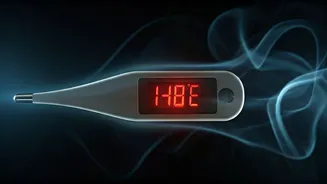
Knowing the symptoms of heat exhaustion and heatstroke is critical. Heat exhaustion is your body's warning signal that it's struggling. Symptoms include heavy sweating, pale or clammy skin, weakness, dizziness, headache, nausea, and muscle cramps. If you experience these, you must stop your activity immediately, move to a cooler place, and rehydrate. Heatstroke is a life-threatening emergency that occurs when your body's cooling system fails completely. Key signs include a high body temperature (above 104°F or 40°C), hot and dry skin (though sometimes it can be damp), a rapid pulse, confusion, slurred speech, and potential loss of consciousness. This requires immediate medical attention.
How to Adapt Your Workout
Being smart about the heat doesn't mean you have to stop exercising. It just means you need to adapt. First, always check the heat index before heading out. Plan your workouts for cooler parts of the day, like the early morning (before 7:30 AM) or late evening (after 6:30 PM). Hydration is non-negotiable; drink water before, during, and after your session. For longer workouts, consider a sports drink to replenish lost electrolytes like sodium and potassium. Dress in light-coloured, loose-fitting, and moisture-wicking clothing to help sweat evaporate. Finally, listen to your body. Reduce the intensity or duration of your workout. If you feel unwell, stop immediately. It’s always better to cut a workout short than to risk your health.
Smart Alternatives and Acclimatisation
On days when the heat index is dangerously high, it's wise to take your workout indoors. A gym, a community centre, or even a home workout can be great alternatives. Activities like swimming are also excellent low-impact options. If you're new to exercising in the heat, give your body time to acclimatise. Start with shorter, less intense workouts and gradually increase the duration and effort over 10 to 14 days. This process helps your body become more efficient at sweating and regulating its temperature. Working out with a partner is another smart move, as they can help monitor you for signs of heat illness. By taking these sensible precautions, you can stay active and safe all summer long.