




The Building Blocks of Life
Protein is a fundamental macronutrient essential for nearly every biological process, from repairing tissues and building muscle to creating hormones and enzymes. At their core, proteins are composed of smaller units called amino acids. There are 20 different
amino acids, which fall into two main categories: nonessential and essential. Our bodies can produce 11 of these amino acids on their own, making them nonessential to our diet. However, the other nine are called essential amino acids because our bodies cannot synthesize them; they must be obtained through the food we eat. These nine are histidine, isoleucine, leucine, lysine, methionine, phenylalanine, threonine, tryptophan, and valine.
The 'Complete' Protein Puzzle
A food source is considered a 'complete protein' when it contains all nine essential amino acids in adequate amounts. Animal-based products like meat, fish, eggs, and dairy are classic examples of complete proteins. Most plant-based foods, on the other hand, are often described as 'incomplete proteins'. This doesn't mean they are bad; it simply means they are low in one or more of the essential amino acids. The essential amino acid that is present in the lowest quantity in a particular food is known as its 'limiting amino acid' because its scarcity limits the body's ability to build protein from that food source.
A Perfect Nutritional Mismatch
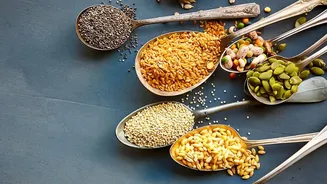
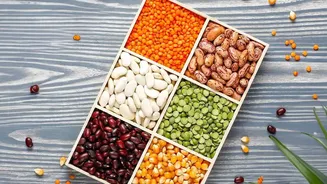
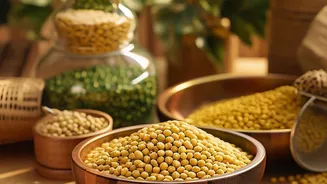
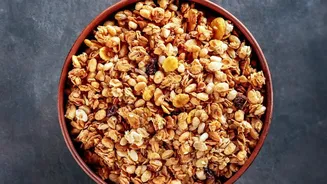
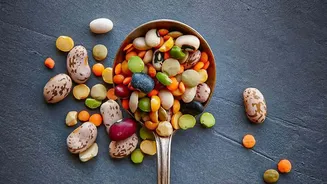
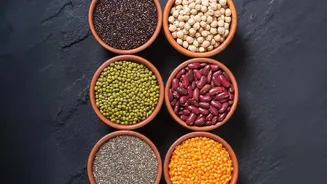
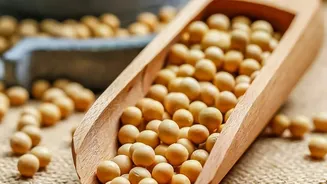
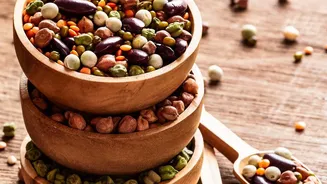
This is where the magic of pairing cereal grains and legumes comes in. These two food groups have perfectly complementary nutritional profiles. Cereal grains—such as rice, wheat, corn, and barley—are generally low in the essential amino acid lysine. Conversely, legumes—which include beans, lentils, chickpeas, and peanuts—are typically rich in lysine but low in the sulfur-containing amino acid methionine. By themselves, each group has a limiting amino acid that prevents it from being a complete protein source. But when you eat them together, they form a nutritional powerhouse.
The Power of Complementation
When you combine a cereal grain with a legume, the amino acids of one food compensate for the limitations of the other. The abundant lysine in the legumes makes up for the deficit in the grains, while the ample methionine in the grains fills the gap left by the legumes. The result is a meal that provides all nine essential amino acids, effectively creating a high-quality, complete protein. This concept, known as protein complementation, is a cornerstone of many traditional diets around the world, long before the science of amino acids was even understood. Dishes like rice and beans in Latin America or dal and rice in India are not just delicious cultural staples; they are brilliant examples of intuitive nutritional wisdom.
Do They Need to Be Eaten Together?
While the idea of protein pairing was once thought to require eating complementary foods at the exact same meal, modern nutritional science has offered a more flexible approach. Research has shown that the body maintains a pool of amino acids it can draw from throughout the day. This means that as long as you consume a variety of plant-based protein sources over the course of a day, your body can combine the amino acids to form complete proteins as needed. So, you could have oatmeal (a grain) for breakfast and a lentil soup (a legume) for lunch, and your body will have all the necessary building blocks. However, eating them together remains a simple and reliable way to ensure you're meeting your needs in one sitting.
Classic Pairings From Around the World
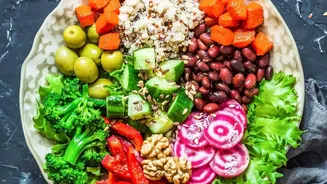
The principle of pairing grains and legumes is celebrated in countless delicious forms globally. In India and across South Asia, dal with rice or roti is a daily staple. In the Middle East, hummus (chickpeas) is scooped up with pita bread (wheat). A simple peanut butter (a legume) sandwich on whole-grain bread is another classic complete protein combination. Other examples include black bean chili with a side of cornbread, or a hearty bowl of lentil soup served with a slice of crusty whole-wheat bread. These time-tested meals are not only comforting and affordable but also nutritionally sound.