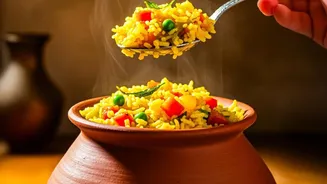





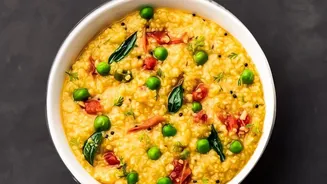

The humble khichdi, a comforting staple in many Indian homes, is getting a modern, fitness-friendly makeover. By swapping traditional rice for oats, this simple dish transforms into a nutritional powerhouse for athletes and fitness enthusiasts.
Understanding Your Primary Fuel
Before
diving into the specifics of oats, it’s crucial to understand the role of carbohydrates in physical activity. Carbohydrates are the body’s preferred source of energy for exercise, especially during high-intensity training. They are broken down into glucose, which fuels our muscles. Carbs are broadly divided into two categories: simple and complex. Simple carbs, found in sugary foods and refined grains, digest quickly and provide a rapid burst of energy. Complex carbohydrates, found in whole grains like oats, digest more slowly, providing a steady and sustained release of energy. This difference is key to planning your training nutrition.
The Nutritional Power of Oats
Oats stand out as a superior source of complex carbohydrates for several reasons. First, they have a low-to-medium glycemic index (GI), which means they don't cause a rapid spike and subsequent crash in blood sugar levels. This steady release of glucose into the bloodstream provides consistent energy, which is ideal for endurance activities. A half-cup serving of dry rolled oats contains a substantial amount of carbohydrates, along with protein and essential micronutrients like iron, magnesium, and B vitamins, which are vital for energy production and oxygen transport to muscles.
The Beta-Glucan Advantage
One of the standout components of oats is a type of soluble fibre called beta-glucan. This fibre is responsible for many of oats' health benefits. In the context of training, beta-glucan slows down digestion and the absorption of carbohydrates, contributing to that all-important sustained energy release. Beyond energy, beta-glucan has been shown to support the immune system, which can be temporarily suppressed after intense exercise. Some studies even suggest it can help reduce inflammation and exercise-related fatigue, aiding in a smoother recovery.
From Comfort Food to Performance Meal
This is where oats khichdi comes into the picture. A traditional khichdi, while comforting, is often made with white rice, which is a higher-GI carbohydrate. By substituting rice with oats, the dish's nutritional profile shifts dramatically. You get the slow-release energy from the complex carbs in oats, combined with plant‐based protein from the lentils (dal). This combination makes oats khichdi a balanced meal that supports both energy needs and muscle repair. Adding vegetables like spinach or carrots not only boosts the vitamin and mineral content but also helps with hydration. A typical serving offers a good balance of protein, carbohydrates, and fibre, with a low glycemic index.
When you eat is just as important as what you eat. Thanks to its slow‐digesting nature, oats khichdi is an excellent pre‐workout meal. Consuming it about two to three hours before a training session allows your body enough time to digest, ensuring you have a steady supply of fuel to power through a long or intense workout without feeling sluggish or bloated. It can also serve as a fantastic recovery meal. After a workout, your body needs carbohydrates to replenish its depleted glycogen (energy) stores and protein to repair muscle tissue. The combination of oats and lentils in the khichdi provides both, making it a powerful tool for post‐exercise recovery.