




A Splash of Colour on City Streets
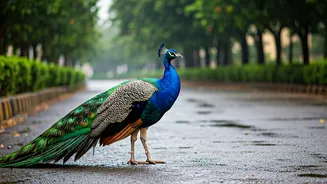
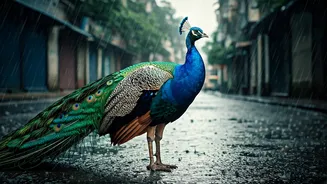
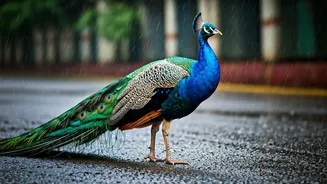
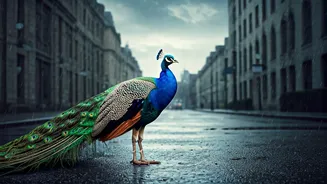
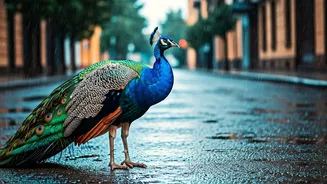
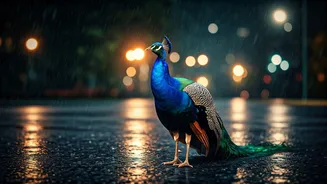
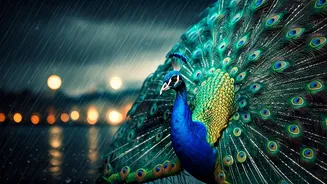
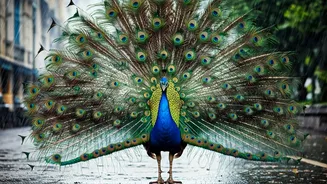
In the days following the monsoon's arrival in Mumbai around June 24, 2026, social media was flooded with remarkable videos and photos. Peacocks and peahens were seen strolling casually along the busy, rain-slicked tarmac of Pedder Road in South Mumbai,
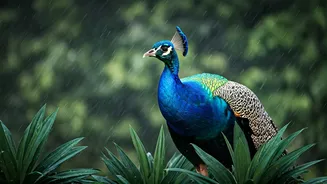
seemingly unfazed by the surrounding traffic. Others were spotted perched on balcony railings in Kemps Corner, their vibrant plumage a stark, beautiful contrast against the city's concrete skyline. For many Mumbaikars, who stopped their cars and pulled out their phones, it was a rare and delightful encounter with India's national bird in one of the country's most densely populated urban centres. The sightings quickly went viral, with residents expressing a mix of shock and awe at what one user called a "rare, charming sight in the heart of the city."
The Monsoon's Ancient Rhythm
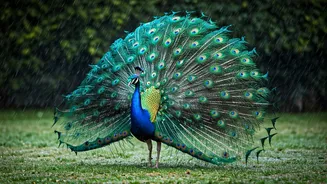
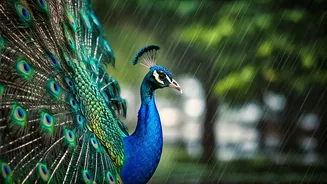
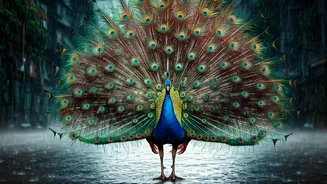
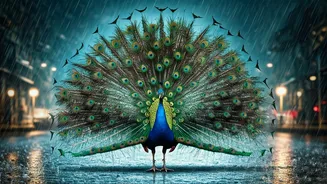
The connection between peacocks and the rain is more than just a poetic trope; it’s deeply rooted in biology. The monsoon season, typically spanning from April to September in South Asia, is the peacock's breeding season. The increased humidity, cooler temperatures, and abundance of food that come with the rains create the ideal conditions for raising chicks. What people often describe as a 'dance' is actually an elaborate courtship ritual. The male, or peacock, fans his spectacular train—the long, covert feathers with iridescent 'eyespots'—and quivers them to attract a mate. The accompanying loud, distinctive calls are also part of this effort to attract peahens. So, while it appears they are celebrating the rain, they are responding to an ancient, seasonal instinct to reproduce.
Where City and Wilderness Meet
These majestic birds don't just appear out of nowhere. Mumbai, despite its reputation as a concrete jungle, has several green enclaves that shelter a surprising amount of wildlife. Experts and local residents suggest the peacocks seen on Pedder Road likely ventured down from the wooded areas of nearby Malabar Hill and Doongerwadi, also known as the Tower of Silence. These areas, along with Godrej Baug, are maintained by the Parsi community and are known to have a resident peacock population. Other pockets of green, like the grounds of Raj Bhavan and the expansive Sanjay Gandhi National Park (SGNP), also serve as important habitats for these birds within the city limits. The monsoon encourages them to venture a little further, bringing them into the public eye and reminding citizens of the delicate ecosystems that coexist with their bustling metropolis.
A Welcome Spectacle for Mumbaikars
The online reaction was overwhelmingly positive, with comments like, "Mumbai never fails to surprise. This is beautiful," capturing the general sentiment. The sightings offered a moment of shared joy and wonder, a welcome respite from the usual monsoon news of traffic jams and waterlogging. For many, seeing the national bird roaming their streets was a heartwarming reminder of nature's resilience and its ability to create magical moments in unexpected places. It highlighted a unique intersection of wildlife and urban life, sparking conversations about the city's biodiversity. The phenomenon turned into a celebrated event, a unique part of the 2026 monsoon experience that was about more than just the weather.
The Urban Peacock's Future
While these sightings are a source of delight, they also bring attention to the challenges faced by urban wildlife. As cities expand, natural habitats shrink, forcing animals like peacocks to navigate unfamiliar and dangerous environments. They face threats from traffic, stray dogs, and a lack of suitable food or nesting sites. The Indian Peafowl is protected under Schedule I of the Indian Wildlife (Protection) Act, 1972, granting it the highest level of legal protection. Conservation efforts in some urban areas focus on creating awareness, planting native trees for shelter, and establishing safe zones where the birds can thrive without conflict. These recent appearances in Mumbai underscore the importance of preserving the city's green lungs, ensuring that such wondrous encounters can continue for years to come.