






The Agricultural Lifeline
India's economy is deeply intertwined with the fate of the monsoon. Around 70% of the country's annual rainfall occurs during the four-month monsoon season. This is crucial because about 60% of India's agricultural land is rain-fed, meaning it lacks access
to irrigation and depends entirely on these seasonal rains for water. The Kharif season, which is the primary sowing season for major crops like rice, pulses, cotton, and oilseeds, is almost entirely dependent on the timely arrival and even distribution of monsoon showers. A good monsoon leads to bountiful harvests, while a poor one can spell disaster for millions of farmers whose livelihoods are tied to the land.
The Food Inflation Connection
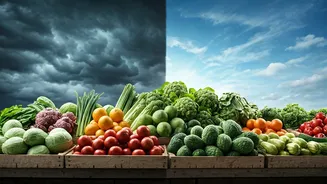
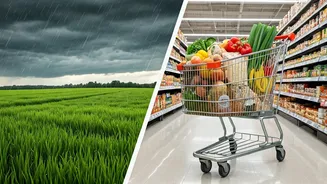
The most immediate and tangible impact of the monsoon on household budgets is through food prices. A weak or delayed monsoon reduces crop yields, creating a supply-demand imbalance that pushes up the prices of essential commodities. When harvests of staples like rice, dal (pulses), and vegetables are poor, their prices in your local market inevitably rise. This phenomenon, known as food inflation, directly squeezes household budgets, forcing families to spend more on essentials. For instance, reports from June 2026 indicate that the sluggish start to the monsoon, with rainfall significantly below average, is already raising concerns about rising food prices. A 10% deficit in rainfall can potentially add a full percentage point to headline inflation, driven primarily by food costs.
The Ripple Effect on Rural Demand
The monsoon's influence extends far beyond the agricultural sector. A strong harvest boosts the income of a vast rural population. When farmers and agricultural labourers have more money in their pockets, they spend it on a variety of goods and services. This fuels what is known as 'rural demand'. Companies that sell everything from tractors and two-wheelers to fast-moving consumer goods (FMCG) like soaps and biscuits see a surge in sales. Conversely, a poor monsoon suppresses rural incomes, leading to a slowdown in spending. This can drag down the performance of several major industries and have a dampening effect on overall economic growth.
Power, Water, and Urban Impact
Even urban households are not immune to the monsoon's performance. The rains are vital for replenishing reservoirs and groundwater levels, which are the primary sources of drinking water for many cities. A deficit monsoon can lead to water shortages and the need for water rationing. Furthermore, India relies on hydropower for a portion of its electricity. Abundant rainfall ensures that dams are full, allowing for optimal power generation. A weak monsoon can reduce hydropower output, forcing a greater reliance on more expensive thermal power, which can translate into higher electricity bills for consumers.
The 2026 Outlook and Broader Concerns
The outlook for the 2026 monsoon has been a cause for concern, with a slow start and forecasts of below-normal rainfall due to developing El Niño conditions. As of late June 2026, cumulative rainfall was more than 40% below the long-period average, creating worries about kharif sowing. A poor monsoon not only affects households and businesses but also puts pressure on the government's finances. It may necessitate increased spending on rural relief measures and farm loan waivers, potentially straining the fiscal deficit. Government bodies like the RBI closely monitor the monsoon's progress, as it has major implications for the country's inflation targets and overall economic stability.