



Understanding 'Ghat FOMO'
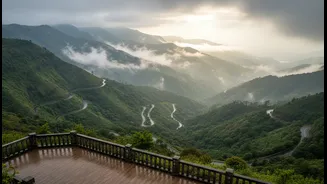
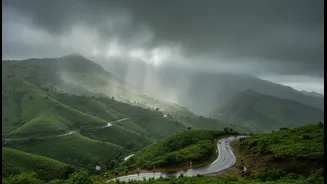
The term 'FOMO', or Fear of Missing Out, describes the anxiety that an exciting event is happening elsewhere, often fuelled by social media. In the context of monsoon travel, 'ghat FOMO' is the irresistible urge to pull over on the scenic Mumbai-Pune
expressway or the old highway to capture stunning vistas of waterfalls and misty valleys. This desire, driven by seeing others' social media posts, often leads people to make impulsive and dangerous stops at unauthorised, precarious spots along the winding roads, ignoring the potential dangers for the sake of a photo.
The Real and Present Dangers This Monsoon
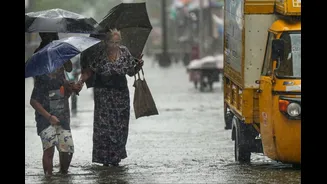
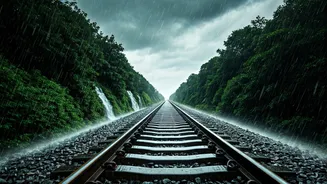
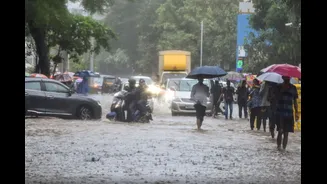
This year, the risks are not just theoretical. Torrential downpours have battered the region, with Lonavala receiving a staggering 670 mm of rain in just 24 hours leading up to July 6th. This has triggered multiple landslides across the Bhor Ghat section, leading to the complete shutdown of the Mumbai-Pune Expressway, the old highway, and even rail services. A major landslide occurred near Tunnel 2 on the new 'Missing Link' section, forcing its closure just months after inauguration. Authorities have reported at least 22 landslides in the Pune district in the last two days alone. With an orange alert still in effect for Mumbai and Thane, and a red alert for Palghar, the situation remains volatile.
Why Stopping Is Not an Option
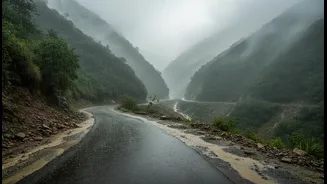
Halting your vehicle in the ghats, especially at non-designated points, is extremely hazardous. The narrow, winding roads offer poor visibility, which is further reduced by heavy rain and fog. A stopped car can easily be hit by another vehicle navigating a blind curve. Moreover, the soil on the hillsides is saturated and unstable, making landslides and rockfalls a constant threat. The very spot that seems perfect for a selfie could be a designated landslide-prone zone. Authorities have repeatedly issued advisories, urging commuters to avoid non-essential travel and to refrain from stopping anywhere along the ghat section for their own safety.
Your Pre-Travel Safety Checklist
If travel is absolutely unavoidable, preparation is key. First, check your vehicle thoroughly: ensure your brakes are in perfect condition, your tyres have adequate tread, and your wipers are functioning effectively. Before you leave, check the latest weather forecasts from the IMD and the real-time traffic updates from official police or highway authority channels. Given the recent closures, confirming that the expressway and highway are even open is the first step. Always keep an emergency kit, including a first-aid box, a torch, and some food and water, in your car. Pack your patience; even if the roads are open, traffic is likely to be slow and congested.
Smarter Ways to Enjoy the View
Beating ghat FOMO doesn't mean you can't enjoy the monsoon. It just means doing it safely. Instead of making risky roadside stops, plan a trip to Lonavala or Khandala and visit official, designated viewpoints that are maintained for tourist safety. These spots are designed to handle footfall and are located in relatively safer zones. The food malls and service areas along the expressway also offer safe places to stop, stretch your legs, and enjoy a hot beverage while taking in the views from a secure distance. The goal is to admire the beauty of the Sahyadris without becoming a statistic.
Driving Smarter in the Ghats
Monsoon driving on winding roads requires a different skill set. The golden rule is to slow down and maintain a much larger distance from the vehicle ahead. Use lower gears when descending to allow engine braking to assist you, reducing the strain on your brakes. It's a rule of the road in the ghats to give way to vehicles driving uphill, as they require more momentum. Honk on blind curves to alert oncoming traffic of your presence. Most importantly, be patient. Overtake only on straight stretches with clear visibility, and if you are stuck behind a slow-moving truck, it's better to wait for a safe opportunity than to take a life-threatening risk.