






The New Psychology of Escape
Remember when the big annual vacation was the only trip you planned all year? That model is quickly becoming a relic. Post-pandemic, the collective mindset has shifted from 'revenge travel'—that initial, desperate rush to go anywhere after lockdowns—to
a more sustainable, rhythm-based approach. The new mantra is frequent, shorter, and more accessible getaways. Instead of one grand two-week holiday, urban professionals are now opting for multiple three or four-day 'micro-cations' sprinkled throughout the year. This isn't just about seeing new places; it's a wellness strategy. These short bursts of travel serve as a crucial pressure-release valve, offering a mental reset from the daily grind without the logistical or financial burden of a massive trip. The long weekend is no longer a bonus; it’s the entire point.
Fuelled by 'Work from Anywhere'
The single biggest enabler of this trend is the quiet revolution in our work culture. The widespread adoption of hybrid and remote work models means the office is no longer a fixed geographical point for millions of professionals. This flexibility has fundamentally redefined the 'weekend'. Why rush back home on Sunday evening when you can take that Monday morning meeting from a cafe with a mountain view? This has given birth to the 'workation' or 'bleisure' (business + leisure) trip. Travellers are increasingly clubbing their leaves with weekends and work-from-home days to create extended getaways. A Friday holiday might lead to a trip that lasts until the following Tuesday, with work seamlessly integrated. This blend allows for deeper exploration and a more relaxed pace, turning a simple long weekend into a proper refresh.
Driveable Destinations Are King
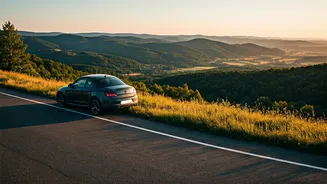
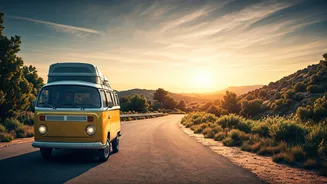
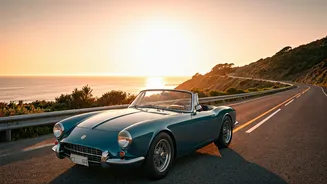
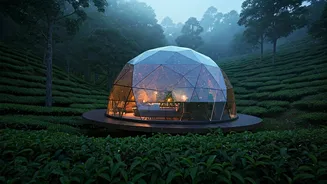
With the focus on shorter trips, the journey has become as important as the destination. The hassle of airports and flight delays for a three-day trip often outweighs the benefits. As a result, destinations within a 4-to-6-hour drive from major metropolitan hubs are experiencing an unprecedented boom. For Mumbaikars and Pune residents, it’s Lonavala, Karjat, and Alibaug. For those in Delhi-NCR, the hills of Uttarakhand and Himachal Pradesh are the default choice. Similarly, Bengaluru's workforce flocks to Coorg, Chikmagalur, and Wayanad, while Chennai looks to Pondicherry and Yelagiri. This trend has not only boosted local economies in these regions but has also encouraged the growth of boutique hotels, homestays, and unique farm-stay experiences that cater specifically to the weekend warrior.
How the Travel Industry Responded
The travel industry has been quick to adapt. Online travel agencies report booking surges of up to 60-70% in the weeks leading up to a long weekend. Hotels and resorts are no longer just marketing themselves based on seasonal holidays like Diwali or summer vacations; their entire calendar is now structured around these mini-peak seasons. You’ll see 'Long Weekend Special' packages offering all-inclusive deals, curated experiences, and late check-outs to accommodate the workation crowd. Airlines, too, have noticed, often adjusting their dynamic pricing to reflect the predictable demand spike around these dates. This shift is creating a more evenly distributed tourism calendar, reducing the over-reliance on a few major holidays and providing a more consistent revenue stream for the hospitality sector.