

Cosmic Crumbs from a Famous Comet
The Orionid meteor shower, active from early October to early November, is one of two annual showers created by Halley's Comet. As the comet orbits the sun every 76 years, it leaves a trail of cosmic dust and debris. When Earth passes through this trail,
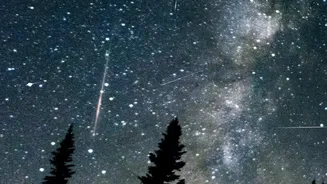
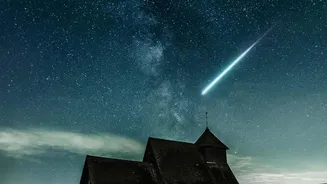
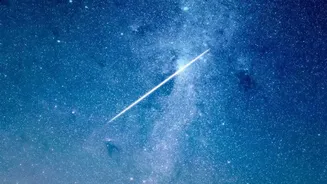
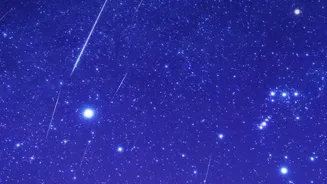
these tiny particles—many no bigger than a grain of sand—burn up in our atmosphere at incredible speeds, creating the beautiful streaks of light we call meteors. The Orionids are known for being exceptionally fast, entering the atmosphere at about 66 kilometres per second. This speed often makes them appear very bright, and they can sometimes leave behind glowing trails of incandescent gas that linger for a few seconds.
Mark Your Calendar: The 2026 Peak
The best time to watch the Orionids in 2026 will be during the peak, on the mornings of October 21st and 22nd. Now for the tricky part: a bright waxing gibbous moon will be in the sky, which usually washes out fainter meteors. However, there is a perfect window of opportunity for dedicated observers. On these peak mornings, the moon will set around 3 a.m. local time. The time between moonset and the beginning of dawn will offer the darkest skies and the best chance to spot the shower. In ideal, dark-sky conditions, you might see 15 to 20 meteors per hour, but in a city, the number will be lower, so patience is key.
How to Watch: Ditch the Gear
The good news for urban stargazers is that you don't need a telescope or binoculars. In fact, they are counterproductive for meteor watching because they restrict your field of view. Your eyes are the only tool you need. The most crucial step is to allow your eyes to fully adapt to the darkness, which can take 20 to 30 minutes. This means putting away your phone and avoiding any bright lights. That screen glow will ruin your night vision and drastically reduce the number of meteors you can see. Find your spot, get comfortable, and just look up, allowing your eyes to adjust naturally to the dark.
Finding Your Urban Observatory
While a trip to the countryside is always best for astronomy, it's not always practical. For city dwellers, the goal is to minimise direct light pollution. A park, a quiet rooftop, or even a balcony that faces away from streetlights can work. The key is to find a spot with as wide a view of the sky as possible, away from the immediate glare of lamps. Even blocking a nearby streetlight with a building or tree can make a significant difference. The meteors will appear to radiate from the constellation Orion, but you don't need to stare directly at it. Looking about 45 degrees away from the radiant can reveal longer, more dramatic streaks as they travel across the sky.
Get Comfortable and Be Patient
Watching a meteor shower is a waiting game, so comfort is essential. Bring a blanket to lie on or a reclining chair to avoid neck strain. Since the best viewing is in the pre-dawn hours of a crisp autumn morning, dress in warm layers and consider bringing a hot drink. Meteors often come in spurts, with lulls in between. Don't be discouraged if you don't see one right away. Set your alarm for the early hours, give your eyes time to adjust, and enjoy the quiet moments. Even catching a few of these speedy visitors from the outer solar system is a rewarding experience.