


Meet the Royal Delight: Shahi Tukda
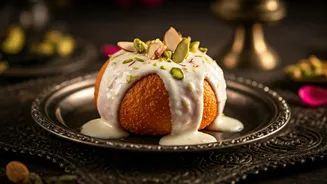
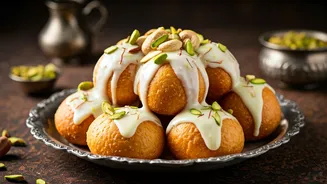
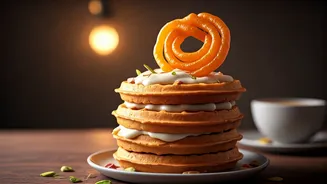
The dessert in question is Shahi Tukda, which translates to 'royal piece'. It’s a magnificent Indian bread pudding with roots in Mughlai cuisine, known for its opulent feasts. Think of it as the glorious ancestor of French toast. The dish consists of golden,
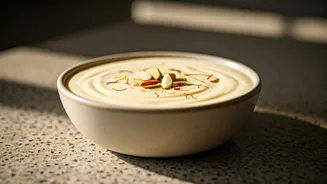
ghee-fried bread slices that are soaked in a sweet, fragrant sugar syrup and then drenched in a thick, creamy milk reduction called rabri. Finished with a generous sprinkle of pistachios, almonds, and delicate saffron strands, it’s a dessert that engages all the senses. The crisp edges of the bread give way to a soft, syrup-soaked centre, all enveloped in the luxurious creaminess of the rabri. It’s a study in contrasting textures and rich, harmonious flavours.
A Dish with a Regal Past
Shahi Tukda isn't just a random creation; it's a piece of culinary history. Its origins are traced back to the Mughal Empire, an era renowned for its lavish lifestyle and sophisticated cuisine. This was a dessert designed to impress kings and courtiers. Legend has it that it was invented as a clever way to use up leftover bread, transforming a humble staple into a delicacy fit for royalty. The use of expensive ingredients like saffron, cardamom, and ghee was a clear indicator of its status. Every bite feels like an indulgence, connecting you to a time of grandeur and culinary artistry. By making it, you're not just preparing a sweet dish; you're recreating a tradition of celebration.
The Blueprint for a Showstopper
Making Shahi Tukda is a three-part process, but don’t be intimidated. Each step is simple, and the final assembly is where the magic happens. We’ll first prepare the rabri, then the golden bread pieces, and finally bring it all together. This recipe serves about 4-6 people.
Step 1: Crafting the Creamy Rabri
The soul of the dish is the rabri. For this, you will need: - 1 litre full-fat milk - 4-5 tablespoons sugar (or to taste) - A generous pinch of saffron strands - 1/2 teaspoon cardamom powder Pour the milk into a heavy-bottomed pan and bring it to a boil. Once boiling, reduce the heat to medium-low. Let it simmer, stirring occasionally to prevent it from sticking. As a layer of cream (malai) forms on top, gently push it to the side of the pan. Continue this process until the milk has reduced to about one-third of its original volume. This can take 45-60 minutes, so be patient. Once reduced, add the sugar, saffron, and cardamom powder. Stir until the sugar dissolves completely. Scrape the cream from the sides back into the milk and mix well. Let it cool.
Step 2: The Golden 'Tukda'
Next, the bread. You will need: - 6-8 slices of white bread - Ghee or oil for deep-frying - For the sugar syrup: 1 cup sugar and 1/2 cup water First, trim the crusts from the bread slices and cut them diagonally into triangles. Heat ghee or oil in a pan for deep-frying. Once hot, fry the bread triangles on medium heat until they are golden brown and crisp on both sides. Remove them and place them on a paper towel to absorb excess oil. While the bread cools, prepare the sugar syrup. In a separate saucepan, combine the sugar and water. Bring to a boil, then simmer for 4-5 minutes until the syrup slightly thickens. You're not looking for a hard candy consistency, just a simple syrup.
Step 3: The Grand Assembly
Now for the final act. For garnish, you'll want: - 2 tablespoons slivered almonds - 2 tablespoons slivered pistachios - Edible silver leaf (vark), optional Dip each fried bread triangle into the warm sugar syrup for about 15-20 seconds. Don’t let it soak for too long, or it will become soggy. Arrange the syrup-soaked bread pieces on a serving platter. Pour the cooled, thickened rabri generously over the bread, making sure each piece is well-coated. Garnish with the slivered almonds, pistachios, and a few extra strands of saffron. For a truly royal touch, you can add small pieces of edible silver leaf. Let it chill in the refrigerator for at least an hour before serving. This allows the flavours to meld together perfectly.