

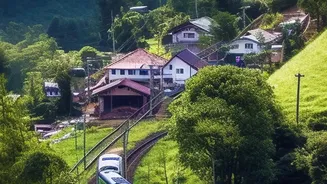
A New Lifeline on the Konkan Railway
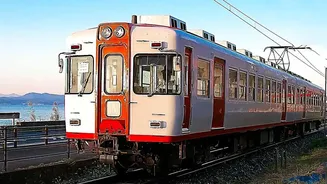
Indian Railways has given the green light for a new daily express train service connecting Mumbai's Chhatrapati Shivaji Maharaj Terminus (CSMT) with Sawantwadi Road in the Sindhudurg district. This service, expected to commence around the Ganeshotsav
festival, is a direct response to the heavy passenger traffic and long-standing demand for better connectivity along this busy corridor. The train will operate daily, covering the 510-kilometre route with 22 stops at key towns like Panvel, Roha, Chiplun, Ratnagiri, and Kudal. This is a significant move, as it provides a permanent, daily travel option rather than just seasonal or special services, aiming to benefit everyone from tourists and traders to students and daily commuters.
More Than Just a Train
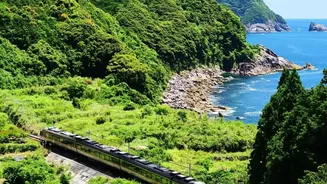
The introduction of this train service is being hailed as a major boost for the regional economy and tourism. The Konkan coast, with its pristine beaches, historic forts, and lush landscapes, has long been considered a tourism gem with untapped potential. However, inadequate connectivity has been a persistent challenge. The journey from Mumbai by road can take anywhere from 10 to 14 hours, a significant deterrent for many travellers. This new express train aims to make destinations in the southern Konkan, like the beaches of Sindhudurg, far more accessible, potentially transforming the region into a more popular alternative to Goa. Officials believe that by easing travel, the service will directly support local businesses, hotels, and the broader tourism ecosystem.
The Blueprint for a Connected Coast?
The Mumbai-Sawantwadi line's launch immediately begs a larger question: Is this the first step in a broader strategy to connect the entire Konkan coast? For years, discussions have revolved around creating a comprehensive coastal transport network, including not just rail but also highways and even sea routes. The Konkan region's difficult, hilly terrain has historically made infrastructure development challenging and expensive. This new train demonstrates a renewed focus on overcoming these hurdles. The success of this service will likely be seen as a litmus test for the viability of further investments. If it proves to be economically sustainable and popular, it could provide the blueprint and political will needed to approve similar projects linking other coastal towns like Ganpatipule, Murud, and Shrivardhan, which currently rely primarily on road transport.
Navigating the Hurdles Ahead
While the new train is a welcome development, creating a truly integrated coastal transport network is fraught with challenges. The first major hurdle is infrastructure. Expanding rail lines or building new coastal highways like the proposed Konkan Expressway is a massive undertaking, requiring enormous capital and navigating complex land acquisition issues. Secondly, there are significant environmental concerns. The Konkan coast is an ecologically sensitive zone, and large-scale construction could disrupt marine life and fragile coastal ecosystems. Any future development would need to balance progress with stringent environmental safeguards to avoid causing irreparable damage. Finally, economic viability remains a key concern. Transport services, especially by sea, have high operational costs and depend on consistent, year-round passenger traffic, which can be difficult to maintain outside of peak tourist seasons.