

As Diwali approaches, a distinct culinary tradition from Maharashtra is quietly finding its way onto tables across India. The beloved collection of festive snacks known as 'Faral' is no longer just a taste of home for Maharashtrians.
What Exactly Is Faral?
For the uninitiated,
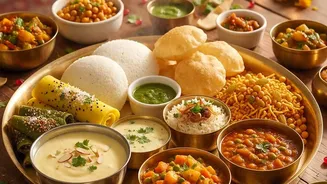
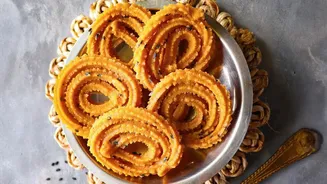
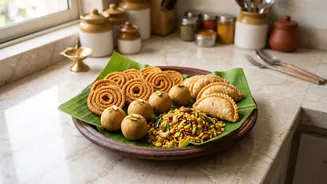
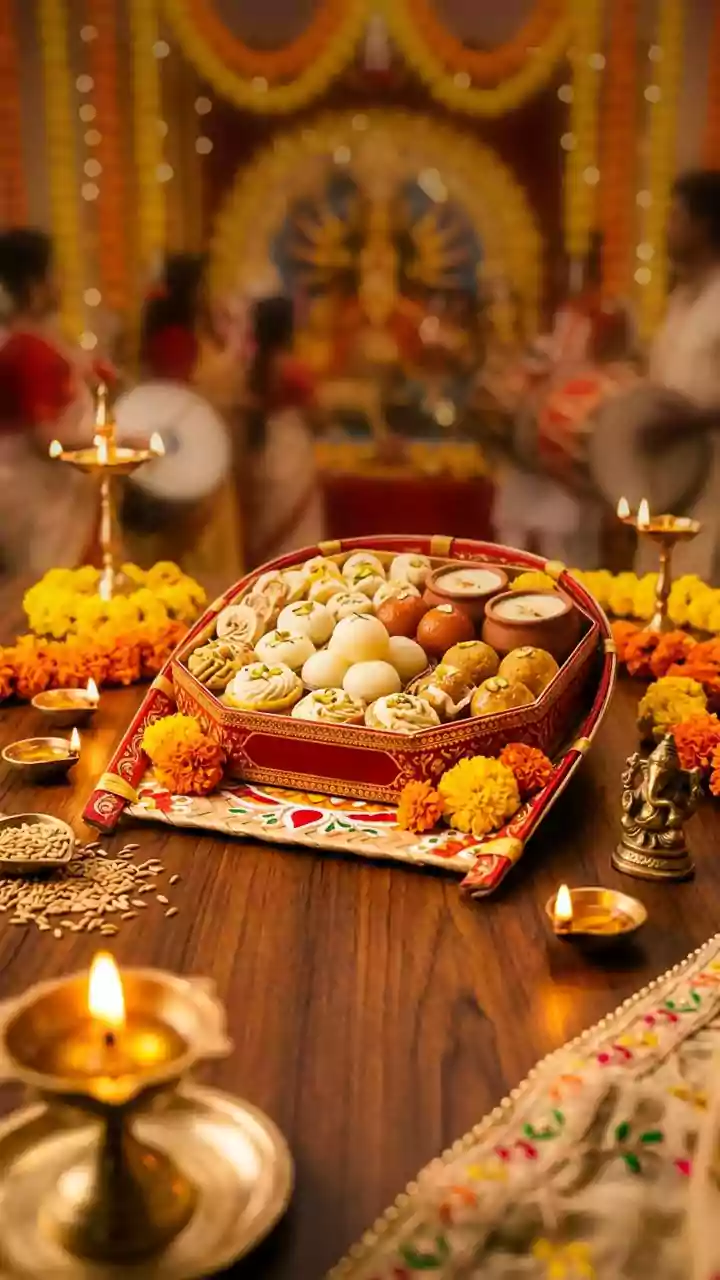
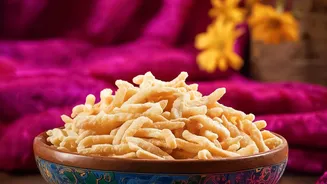
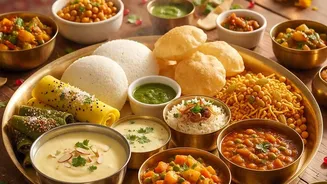
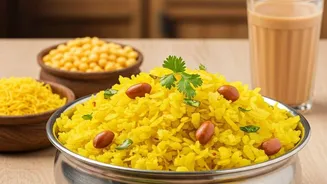
'Faral' is not a single dish but a lovingly prepared assortment of sweet and savoury snacks that defines Diwali in Maharashtrian households. This festive platter is a labour of love, with preparations often starting days in advance. The savoury side typically features the crunchy, spiral-shaped 'Chakli', a light and airy mixture called 'Chivda', and diamond-shaped salty biscuits known as 'Shankarpali'. Balancing these are the sweets: 'Karanji', a crescent-shaped pastry filled with coconut and jaggery; melt-in-the-mouth 'Besan Ladoo'; and the sweet version of Shankarpali. This combination of textures and flavours is designed to be shared with family and guests, embodying the spirit of communal celebration.
A Taste of Nostalgia Travels
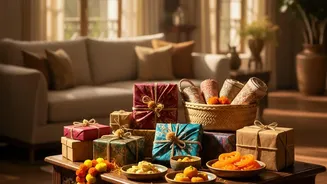
The initial spread of Faral's popularity can be traced to migration. As generations of Maharashtrians moved to other states and countries for education and work, they carried their traditions with them. For many living away from home, the aroma and taste of homemade Faral are deeply connected to feelings of nostalgia and comfort, a way to recreate the magic of Diwali in a new city. This created a foundational demand, particularly among non-resident Indians who missed the authentic flavours of the festival. Courier services and the postal department have noted a significant seasonal surge in shipping Faral parcels internationally to countries like the US, UK, Germany, and Japan, connecting families through these traditional tastes.
The Digital Age Delivers Tradition
What was once a niche demand has now blossomed into a burgeoning trend, thanks in large part to technology. The rise of social media and e-commerce has been a game changer. Home chefs and small businesses, many of them run by women, now use platforms like WhatsApp and Instagram to showcase their Faral and take orders from across the country. Specialised websites have emerged, offering professionally packed, authentic, and preservative free Faral with pan India delivery, making these regional delicacies accessible to anyone with a smartphone. This digital marketplace has not only served the diaspora but has also introduced Faral to a much wider, curious audience.
A Wider Appetite for Regional Cuisines
The growing interest in Faral is part of a larger movement in India's culinary landscape. Urban diners are increasingly adventurous, seeking out authentic and lesser known regional cuisines. There's a growing appreciation for food that tells a story, tied to specific cultures, seasons, and rituals. Social media has played a huge role in this, with food bloggers and influencers spotlighting unique dishes from different corners of the country. In this context, Faral offers a new world of flavour for non Maharashtrians. It's an authentic, homemade alternative to mass produced snacks, and its arrival during the nation's biggest festival makes it a perfect entry point for those eager to explore India's diverse culinary heritage.