

Venus: A Planet Hidden in Plain Sight
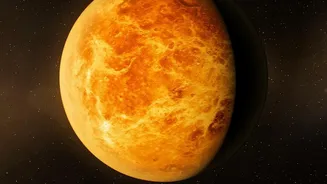
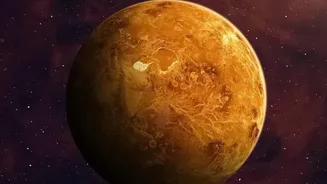
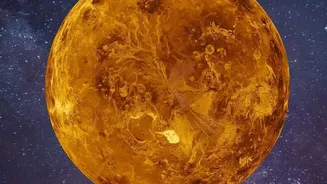
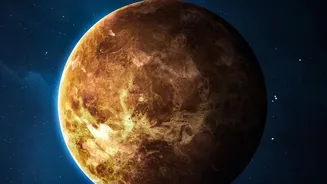
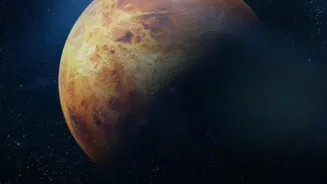
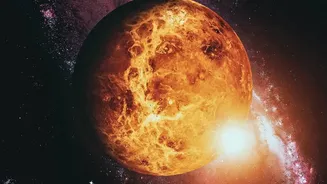
Venus is our closest planetary neighbour, similar in size to Earth, yet it could not be more different. Its surface is a crushing, searing landscape with temperatures hot enough to melt lead, all hidden beneath a thick, unbroken blanket of sulphuric acid
clouds. This hostile environment makes studying the planet incredibly difficult. Landers have survived for only a couple of hours at most. For decades, scientists have debated whether the planet is geologically dead or if, beneath those toxic clouds, its volcanic heart is still beating. Finding the answer is key to understanding why Venus took such a different evolutionary path from our own world.
Finding Fire in the Clouds
So how do you find a volcano on a planet you can't properly see? Scientists have two main methods. The first is to look for changes on the surface itself. By comparing radar images taken months or years apart, researchers can spot new lava flows or changes in volcanic vents. The second, more indirect method is to 'sniff' the atmosphere from orbit. A volcanic eruption would blast huge quantities of gases like sulphur dioxide (SO2) high into the atmosphere. These plumes would create temporary, detectable spikes in the atmospheric chemistry. Computer models suggest that large eruptions could propel gases up to the base of the cloud layer, making them visible to an orbiting spacecraft's sensors. Finding these transient plumes would be a smoking gun for an active eruption below.
The Growing Case for a Living Planet
The hunt for active volcanoes on Venus has intensified recently. In 2023 and 2024, scientists analysing three-decade-old radar data from NASA's Magellan mission found the first direct evidence of recent eruptions. They identified a volcanic vent that changed shape and appeared to spill lava over an eight-month period, and located two other sites with what looked like fresh lava flows. However, the science is not yet settled. A 2026 study proposed that these radar anomalies could be illusions created by the spacecraft's different viewing angles rather than actual surface changes. This debate highlights why we need new, more powerful instruments to get a definitive answer—which is exactly where India's space agency comes in.
ISRO’s Shukrayaan-1: A Volcano Hunter's Toolkit
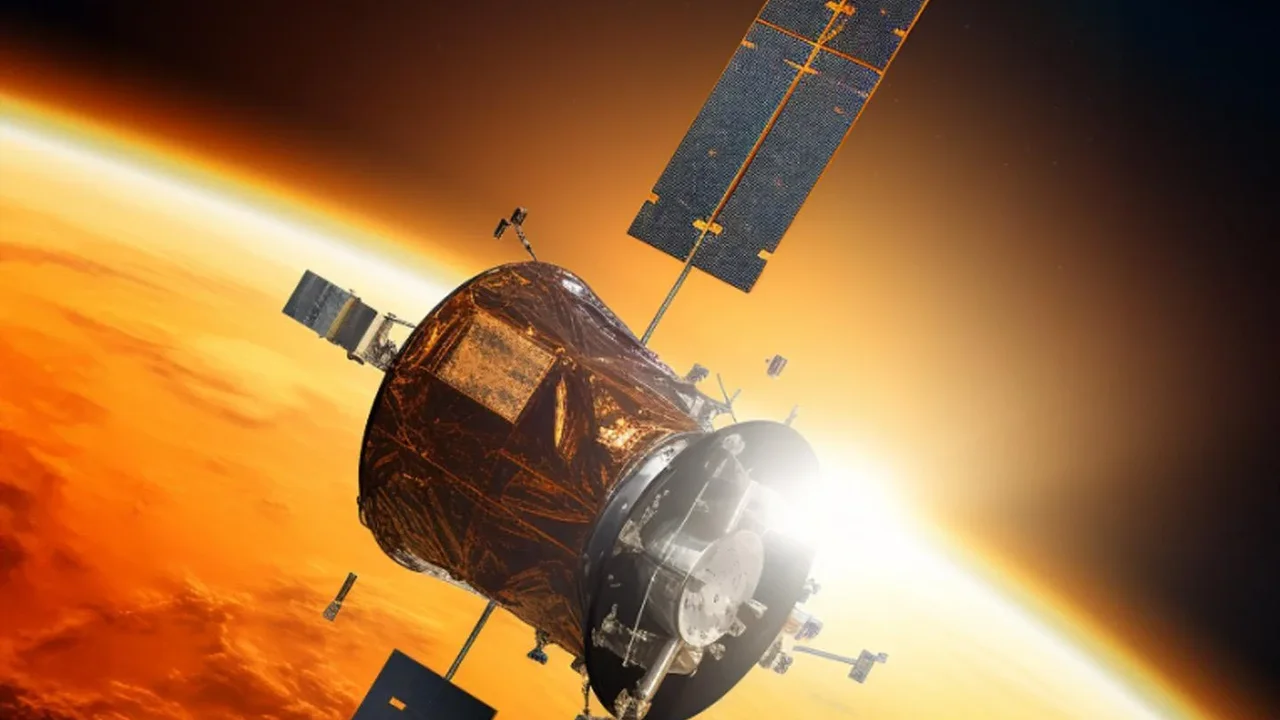
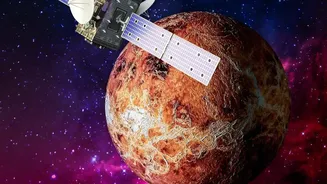
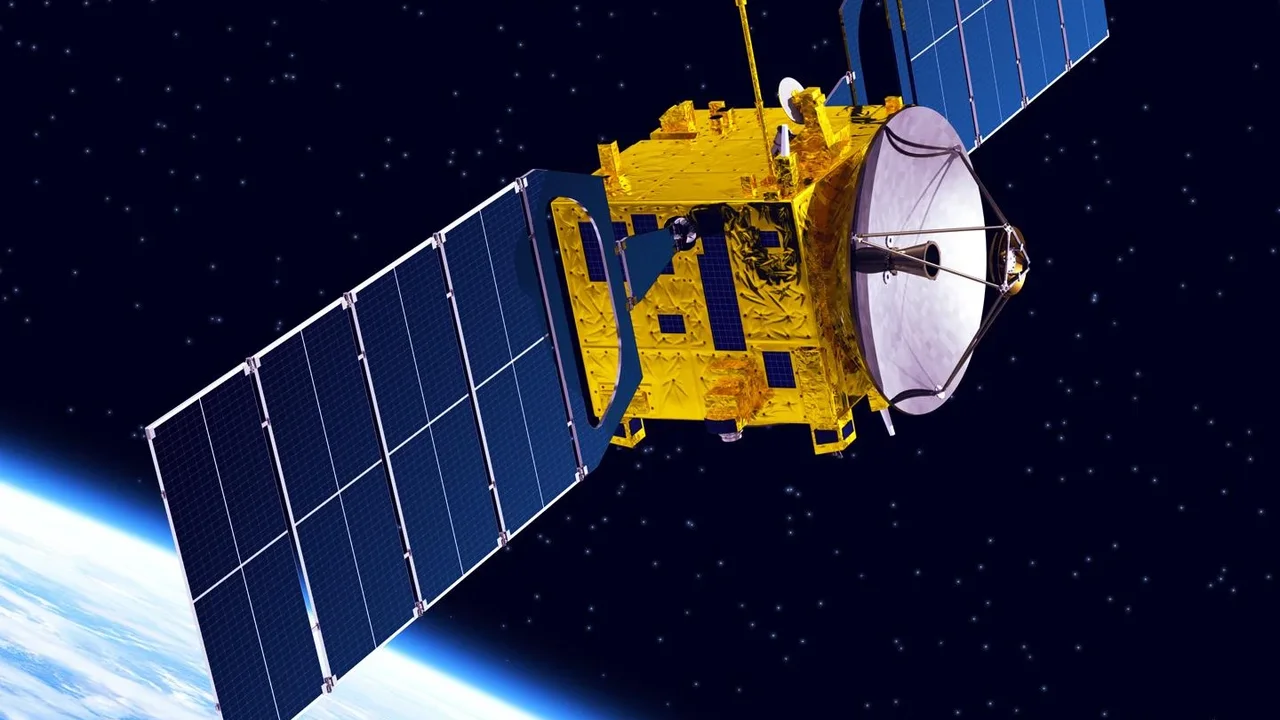
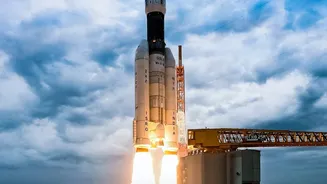
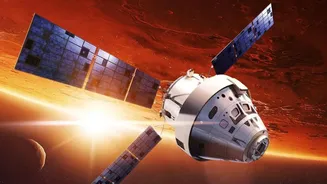
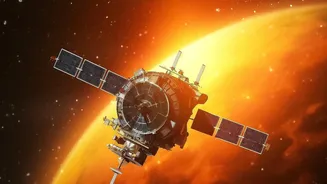
ISRO's Venus Orbiter Mission, nicknamed Shukrayaan-1, is India's answer to this planetary mystery. Scheduled for a 2028 launch, the spacecraft is designed to settle the debate once and for all. It will carry a suite of advanced instruments, or payloads, perfectly suited for the job. The primary tool is a high-resolution Synthetic Aperture Radar (SAR), which can peer through the dense clouds to map the surface in far greater detail than Magellan ever could. This will allow scientists to hunt for the tell-tale signs of new lava flows with unprecedented clarity. Alongside the radar, Shukrayaan-1 will carry instruments to analyse the atmosphere's chemistry, including a collaborative payload with Russia and France. These sensors are designed to detect gases like sulphur dioxide, directly searching for the atmospheric plumes that could betray an eruption happening in real-time.
Why Finding Active Volcanoes Matters
Confirming active volcanism on Venus would be a monumental discovery. It would prove that Venus is a dynamic, evolving planet with a hot interior, much like Earth. This would reshape our understanding of how terrestrial planets form and evolve. Volcanic outgassing plays a huge role in shaping a planet's atmosphere and climate. Studying this process on Venus could provide crucial insights into Earth's own long-term climate models and how a planet can transition from being potentially habitable to a runaway greenhouse state. By contributing critical data to this global scientific quest, ISRO's mission not only marks a major step for India's interplanetary ambitions but also helps us understand our own place in the solar system.