


The Annual Battle Against Urban Heat
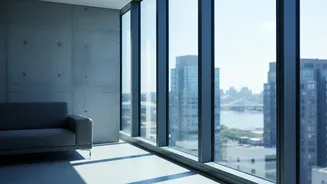
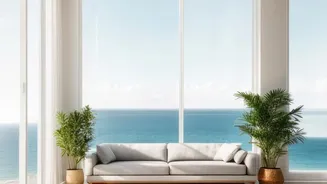
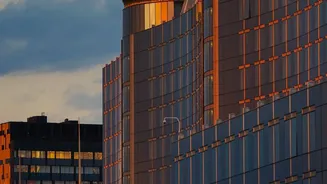
Every summer, urban residents face a familiar challenge: the relentless heat. Large glass windows, a staple of modern apartments and offices, can turn homes into greenhouses. Sunlight streams in, and with it comes solar heat, forcing air conditioners
to work overtime. This not only leads to hefty electricity bills but also places a significant strain on the power grid. An estimated one-third of a building's cooling costs can be attributed to solar heat gain through windows. This cycle of heating and expensive cooling is a major pain point for city dwellers looking for comfort without breaking the bank or contributing to higher energy consumption.
A Smarter Way to Stay Cool
Instead of simply blocking light with heavy curtains, imagine a nearly invisible shield on your windows that filters out heat. This is the promise of modern heat-blocking window coatings, often called Low-Emissivity (Low-E) films. These are not the dark, reflective tints of the past that would plunge your rooms into gloom. Today’s advanced films are designed to be spectrally selective, meaning they can differentiate between different types of energy from the sun. They are engineered to block the infrared radiation, which is the part of the solar spectrum we feel as heat, while allowing most of the visible light to pass through. This keeps your home naturally bright and cool at the same time.
How This Technology Works
At its core, a Low-E coating is an ultra-thin, transparent layer of metallic oxides applied to a film or directly onto glass. This coating reflects heat. In the summer, it reflects the sun's infrared heat away from your window, preventing it from warming up your home. In the cooler months, it works in reverse, reflecting the heat from your home's interior back inside, helping you retain warmth. Some of the most advanced versions are 'thermochromic,' meaning they adapt to the environment. When the sun's heat intensifies, these coatings automatically tint slightly or increase their heat-reflecting properties without any need for electricity or manual controls, offering a passive, intelligent solution.
The Real-World Benefits for Your Home
The most significant benefit is a noticeable reduction in energy consumption. By rejecting a large portion of solar heat, these films reduce the load on your air conditioner, which can lead to substantial savings on your electricity bills. Beyond cost savings, the improvement in comfort is immediate. Hot spots near sun-facing windows are eliminated, and harsh glare on TV and laptop screens is reduced, making living and working spaces more pleasant. Furthermore, these coatings block up to 99.9% of harmful ultraviolet (UV) rays. This acts as a sunscreen for your home, protecting your furniture, curtains, and flooring from fading over time.
What to Consider Before Installation
Upgrading your windows with these films is far more cost-effective than replacing the glass entirely. The U.S. Department of Energy considers window film a top-tier technology for energy conservation, with some films having a payback period of as little as three years. When choosing a film, consider your specific needs. West-facing windows that receive intense afternoon sun are prime candidates. There are various types available, from films that offer high clarity to those that provide more privacy. While it might seem like a DIY project, professional installation is recommended to ensure a bubble-free application and optimal performance. Think of it as a long-term investment in your home's comfort and efficiency.