




The New Language of Snacking
For generations, Indian snacking was synonymous with taste, comfort, and convenience. A quick samosa, a handful of namkeen, or a pack of biscuits were the default choices. While those classics remain popular, a new vocabulary has entered the chat. Words
like “20g protein,” “clean label,” and “natural sweeteners” are now prominent on packaging, and consumers are paying attention. According to a recent survey from the ‘Farmley Healthy Snacking Report 2026’, a staggering 86% of Indian consumers now consider protein an important factor when buying snacks. This isn't just a niche trend confined to bodybuilders; it's a mainstream movement reshaping household grocery lists across urban India.
From Deficiency Awareness to Active Choice
The foundation for this trend was laid by a growing awareness of a long-standing nutritional gap. Traditional Indian diets, while rich in flavour and variety, are often carbohydrate-heavy, leading to a common deficiency in protein. For years, this was a topic discussed mainly by nutritionists. Today, it has become public knowledge, amplified by social media and a broader wellness movement. Consumers are no longer just passive eaters; they are actively seeking to fill this nutritional void. The question has shifted from simply “What should I eat when I’m hungry?” to “What should I eat to feel energised and healthy?” This proactive mindset has created the perfect environment for protein-rich snacks to thrive.
The Fitness Boom and Urban Lifestyles
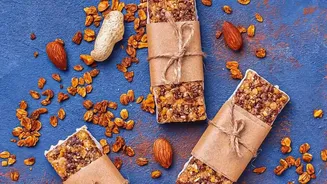
A major catalyst for the protein craze is the explosion of fitness culture, particularly in metropolitan areas like Mumbai, Delhi-NCR, and Bengaluru. Gym memberships are projected to nearly double between 2024 and 2030, reflecting a deep-seated desire among millennials and Gen Z to lead more active lives. These generations view food as fuel. They want snacks that support their workout goals, aid in muscle repair, and provide sustained energy for their fast-paced urban lifestyles. Compressed schedules and long commutes mean convenience is still key, but it can no longer come at the cost of nutrition. The protein bar, once a niche post-workout item, is now a common sight in office bags and on work-from-home desks, serving as a guilt-free meal replacement or an afternoon pick-me-up.
Brands Answer the Call
India’s food industry has been quick to respond. The market is now flooded with innovative products designed to meet this new demand. New-age D2C (direct-to-consumer) brands like The Whole Truth and Yoga Bar have built their identity on transparency and clean ingredients, attracting a loyal following. At the same time, established FMCG giants are reformulating their offerings. We now see everything from protein-fortified milk and biscuits to high-protein dosa batter and millet-based snacks. Even traditional favourites are being rebranded; roasted chana (chickpeas) and paneer are being highlighted for their natural protein content. This competitive landscape is driving innovation, with a focus on not just nutrition but also taste, ensuring that healthy snacking doesn't feel like a compromise.