





The Rain-Shadow Advantage
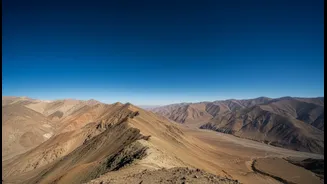
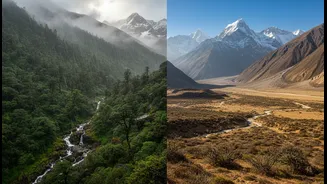
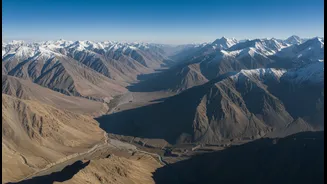
The secret to a dry holiday in Spiti and Ladakh during the peak Indian monsoon lies in a simple geographical phenomenon: the rain-shadow effect. As moisture-laden monsoon clouds sweep in from the south, they are blocked by the towering Himalayan ranges.
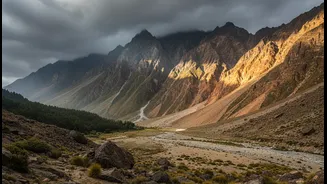
Forced to ascend, the clouds release all their rain on the windward side, leaving popular destinations like Manali, Shimla, and most of Uttarakhand drenched. By the time the clouds cross these formidable barriers to reach the trans-Himalayan regions of Ladakh and Spiti, they are devoid of moisture. The result is an arid, cold desert climate that receives minimal rainfall, offering clear blue skies and sunny days while the rest of the country navigates downpours. This makes them exceptionally safe and appealing choices for a monsoon trip.
Spiti Valley: A World Within a World
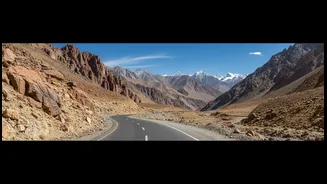
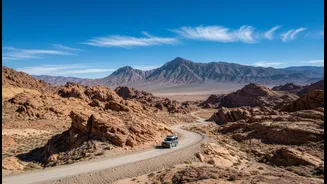
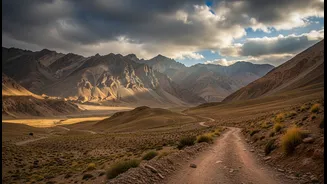
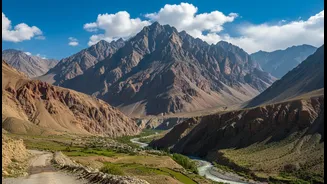
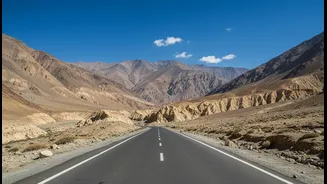
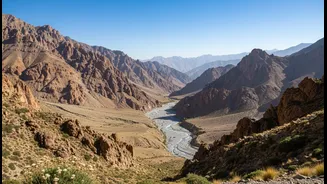
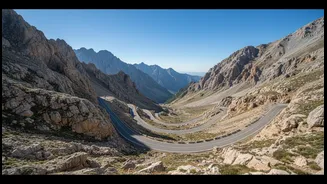
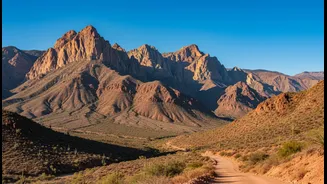
Often described as a more remote and quieter alternative, Spiti Valley offers a raw, unfiltered Himalayan experience. This cold desert in Himachal Pradesh is a landscape of stark, barren mountains, deep gorges, and tiny villages clinging to the slopes. It is a place for slow travel, where the main attractions are ancient Buddhist monasteries like Key and Tabo, and some of the world's highest inhabited villages, such as Komic. While the valley itself remains dry, getting there is part of the adventure. The route from Manali via Kunzum Pass is shorter but notoriously rugged, while the approach from Shimla via Kinnaur is longer but generally more stable during the monsoon, allowing for gradual acclimatisation. Spiti rewards those who are willing to endure a bumpier journey with profound solitude and a deep cultural immersion.
Ladakh: High-Altitude Desert Dreams
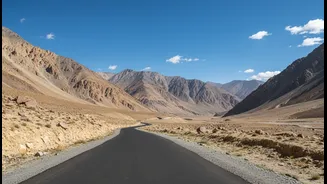
Ladakh, a Union Territory, presents a similar cold desert landscape but on a grander, more accessible scale. It’s a region of dramatic vistas, from the iconic turquoise expanse of Pangong Tso to the sand dunes of Nubra Valley. The tourism infrastructure here is more developed than in Spiti, with a wider range of hotels and amenities. A key advantage for Ladakh is accessibility; travellers can fly directly into Leh, the main town situated at 3,500 metres. This saves significant travel time, though it also increases the risk of altitude sickness if proper acclimatisation isn't factored in. Once there, the roads to major attractions like Nubra Valley (via Khardung La) and Pangong Lake are generally well-maintained and open throughout the summer and monsoon seasons, offering a spectacular road trip experience under clear skies.
Spiti or Ladakh: Which Is for You?
Choosing between the two depends entirely on your travel style. Opt for Spiti if you seek isolation, fewer tourists, and a more intimate cultural connection. It is generally more budget-friendly and appeals to those looking for an offbeat, challenging road journey. The circuitous route via Shimla makes acclimatisation easier. Choose Ladakh if you want more convenience, grander landscapes, and don't mind sharing the view. Its direct flight access makes it ideal for those with limited time, and its better road network makes it more suitable for families and first-time high-altitude travellers. While Ladakh has the iconic Pangong Lake, Spiti offers the equally stunning Chandratal (Moon Lake). Both regions demand respect for their high-altitude environment, but they offer distinctly different travel moods.
Smart and Safe Monsoon Planning
While Spiti and Ladakh are dry destinations, the journey to reach them can be affected by monsoon rains in the lower Himalayas. The Manali-Leh and Manali-Kaza highways can face temporary closures due to landslides on their initial stretches. It's crucial to build buffer days into your itinerary for unexpected delays. When driving to Spiti, the route via Shimla is often considered the safer monsoon bet. For Ladakh, flying into Leh is the most reliable option to bypass unpredictable roads. Before you leave, always check the latest road status updates from official sources like the local administration or the Border Roads Organisation (BRO). Pack in layers, as daytime temperatures are pleasant but nights can be cold, and carry essentials like a basic first-aid kit and any necessary medications for altitude sickness.