



The Principles of Fasting Food
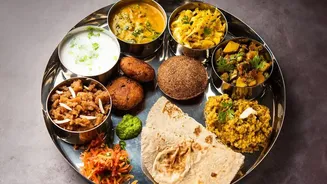
Before diving into regional specialities, it's helpful to understand the basics of Navratri fasting, or 'vrat'. The diet is typically Sattvic, meaning it's pure, light, and designed to keep the body and mind clear. Common grains like wheat and rice are
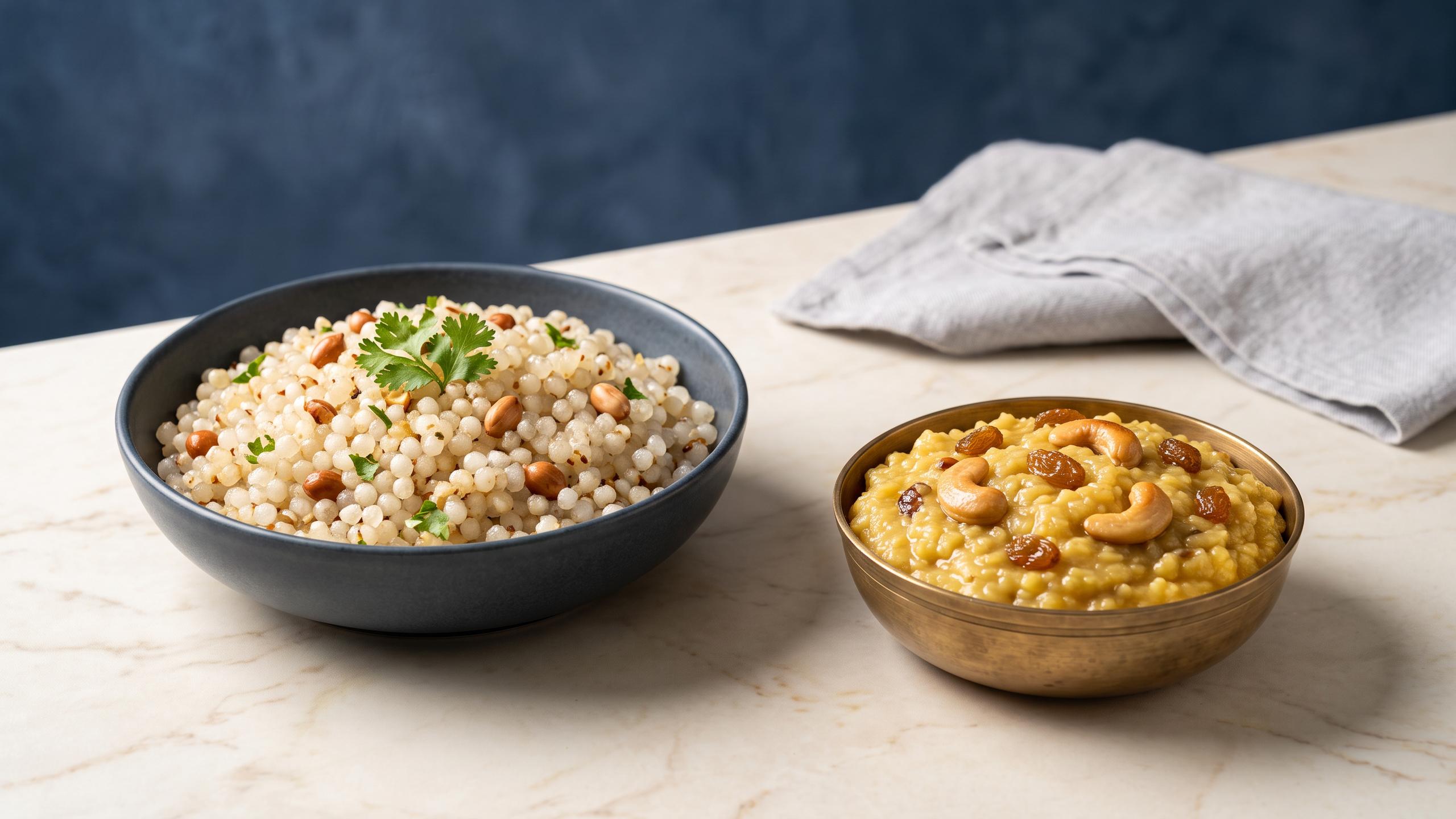
avoided, as are onions, garlic, lentils, and regular table salt. Instead, the pantry is stocked with ingredients like buckwheat flour (kuttu), water chestnut flour (singhara), and amaranth (rajgira). Barnyard millet (samak ke chawal) and tapioca pearls (sabudana) become staple carbohydrates. For seasoning, rock salt (sendha namak) is used. This shared culinary grammar forms the foundation for a stunning variety of regional dishes.
North India: Hearty and Wholesome Feasts
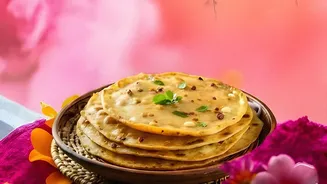
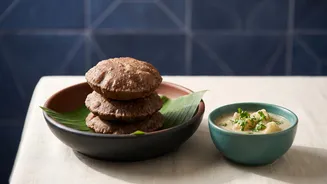
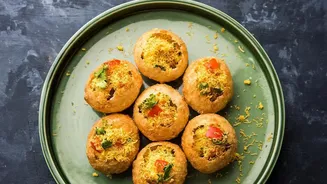
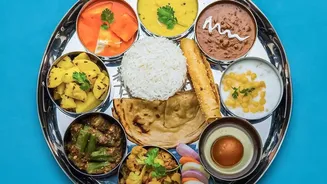
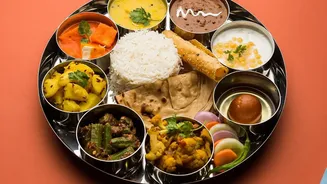
In North India, including states like Punjab, Delhi, and Uttar Pradesh, Navratri fasting is widespread and the food is robust and satisfying. Potatoes are a hero ingredient, appearing in countless forms like the simple and flavourful Vratwale Aloo Rasedaar (a thin potato curry). Flours like kuttu and singhara are used to make deep-fried puris, often paired with this potato curry or a sweet and tangy pumpkin sabzi. Dairy products like paneer and yogurt are also central. You might find Vratwale Paneer Rolls or a creamy Arbi Kofta served with a minty yogurt dip. For a lighter meal or snack, makhana (fox nuts) are roasted with a sprinkle of rock salt or turned into a decadent kheer.
West India: Creative, Savoury, and Sweet
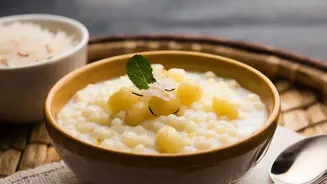
In Western India, particularly Gujarat and Maharashtra, Navratri is synonymous with energy, dance, and incredibly creative fasting food. Sabudana is the undisputed star here. Maharashtrian homes prepare crispy Sabudana Vada, which are fried patties of tapioca pearls, potatoes, and crushed peanuts. In Gujarat, the Gujarati-style Sabudana Khichdi, a softer, sweeter version often studded with pomegranate seeds, is a favourite. Amaranth (rajgira) flour is used to make rotis or puris. The flavours are often a delightful balance of sweet and savoury, with peanuts, coconut, and jaggery making frequent appearances in the region's 'farali' (fasting) cuisine.
East India: A Celebration of Feasting
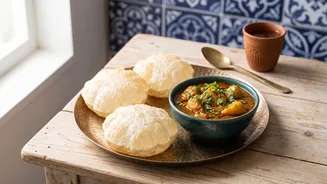
The culinary traditions of East India, especially in West Bengal, offer a fascinating contrast. Here, the festival is celebrated as Durga Puja, and it is largely a time for feasting rather than fasting. Since Goddess Durga is welcomed as a beloved daughter returning home, she is offered the best of everything, which often includes elaborate non-vegetarian dishes. Luchi (fluffy, deep-fried bread made from refined flour) served with Aloo'r Dum (a spicy potato curry) is an iconic combination enjoyed by many during the puja days. While most of the community feasts, those who do observe a fast will typically stick to simple meals of fruits, nuts, and milk-based sweets like sandesh.
South India: Legumes, Coconut, and Tradition
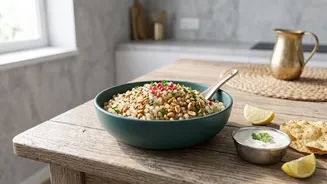
In the South, Navratri is celebrated with the beautiful Golu doll displays, and the food traditions are distinct. While strict fasting is less common than in the North, food is still prepared without onion or garlic. The most iconic Navratri preparation is Sundal, a simple and healthy dish made from different legumes or pulses. Each day, a different kind of sundal—from chickpeas, black-eyed peas, or green gram—is prepared, seasoned with mustard seeds, curry leaves, and fresh coconut, and offered as prasadam to guests. Sweet dishes like Payasam (a kheer-like dessert) made with rice, jaggery, and coconut milk are also popular offerings.