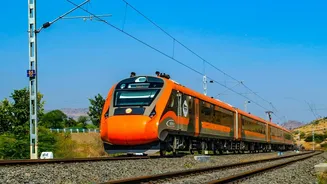







The Myth of the Early Bird
Let's clear up a common misconception: arriving at the railway station hours before departure has no impact on which berth you get. In the age of computerized reservations, your fate is sealed long before you set foot on the platform. Unlike some airline
check-ins or unreserved coaches, your berth number is pre-assigned by the Indian Railways' Passenger Reservation System (PRS). This happens either at the moment you book your ticket or, in some cases, during final chart preparation, which typically occurs about four hours before the train's departure. Showing up early might get you a good spot on a platform bench, but it won’t change the berth number printed on your ticket or PNR status.
How Berths Are Really Assigned
The allocation of berths is a complex algorithmic process. The software considers several factors, not just the order of booking. Key among these are quotas. Indian Railways has specific quotas to ensure fair distribution, including those for senior citizens, ladies, and passengers with disabilities. For example, the system prioritizes allotting lower berths to senior citizens (men over 60, women over 45) and pregnant women to ensure their comfort and accessibility. Age, gender, and booking preferences all feed into the algorithm, which aims to optimize seat distribution across the entire train.
The Berth Hierarchy of Peace and Quiet
Not all berths are created equal when it comes to minimizing disturbance. Experienced travellers often have a clear preference. The Upper Berth (UB) is widely considered the best for uninterrupted rest. Once you’re up, you are isolated from the movement in the aisle and the daytime chatter. The Side Upper (SU) offers similar privacy. The Lower Berth (LB) is convenient for access, especially for those with mobility issues, but it doubles as a communal seating area for co-passengers during the day, leading to frequent interruptions. The Side Lower (SL) is even more exposed to aisle traffic. The Middle Berth (MB), found in 3-tier coaches, is often seen as the least desirable due to its limited headroom and restricted usage times (typically 10 PM to 6 AM).
Location Within the Train Matters
Beyond the type of berth, its location within the coach and the coach's position in the train can significantly affect your journey. Berths located in the middle of a coach, away from the doors and toilets, experience less foot traffic and noise. Similarly, coaches positioned in the middle of the train's rake tend to offer a smoother ride with less jerking and noise compared to those right behind the engine or at the very end. While you can't choose your coach's exact position, being aware of this can help you understand why some journeys feel more turbulent than others.
The Real Strategy: Smart Booking
If early arrival doesn't work, what does? The single most effective strategy is booking your tickets as early as possible. The booking window for most trains opens 120 days in advance. The earlier you book, the greater the pool of available berths, and the higher the likelihood that the reservation system can accommodate your preference. Lower berths, in particular, get filled up very quickly. When booking, always use the “Berth Preference” option on the IRCTC website or app. While this is a preference and not a guarantee, it's the primary way to communicate your choice to the system. For those who absolutely need a lower berth, there's an option to “Book only if at least one lower berth is allotted,” which can prevent an unsuitable booking.