


Meet the New Star: Ras Malai Tres Leches
Imagine a feather-light sponge cake, so airy it practically floats. Now, picture it soaked not just in the traditional three milks of a Latin American Tres Leches, but in a fragrant, cardamom-and-saffron-infused milk reminiscent of the finest ras malai.
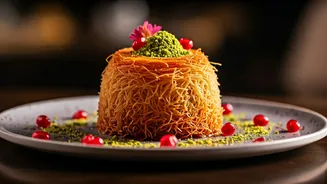
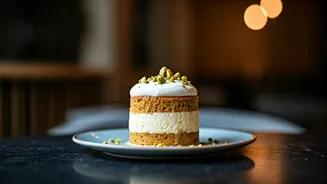
Topped with a delicate whipped cream, crushed pistachios, and delicate rose petals, this is the Ras Malai Tres Leches. It's the dessert currently flooding Instagram feeds and delighting patrons from Mumbai to Delhi. This single creation perfectly captures the spirit of the modern Indian palate: a deep love for traditional flavours combined with an adventurous desire for global textures and forms. It’s not just a cake; it’s a conversation piece, a beautiful bridge between two distinct culinary worlds that, as it turns out, have a shared love for milky, decadent sweets.
The Science of Sweet Fusion
Why does this combination work so well? The magic lies in the synergy. A classic Tres Leches cake (‘three milks’ cake) is beloved for its incredibly moist texture, achieved by soaking a sponge in evaporated milk, condensed milk, and heavy cream. Ras malai, on the other hand, is all about flavour—the aromatic saffron, the warm spice of cardamom, and the nutty richness of pistachios. By infusing the Tres Leches soaking liquid with these classic Indian spices, pastry chefs have created something that delivers the best of both worlds. The familiar, comforting aroma of ras malai is delivered through a new, exciting texture. This isn't a jarring collision of flavours but a thoughtful integration where each component enhances the other. The sponge becomes the perfect vehicle for the rich, spiced milk, creating a dessert that feels both innovative and deeply rooted in tradition.
Why Is It So Popular Now?
The meteoric rise of desserts like the Ras Malai Tres Leches isn't accidental. Several factors are at play. First is the undeniable visual appeal. In the age of social media, a dessert that looks as good as it tastes is destined for stardom. The elegant plating, vibrant saffron hues, and sprinkle of green pistachios make it incredibly 'Instagrammable'. Second is the powerful pull of nostalgia. For many Indians, the flavour of ras malai or gulab jamun is tied to celebrations, festivals, and family. This new format allows them to reconnect with those memories in a modern, sophisticated setting. Finally, there’s the evolving Indian diner—younger, well-travelled, and open to experimentation. They don't want to choose between a classic Indian mithai and a Western dessert; they want an experience that offers both.
Beyond a Single Cake
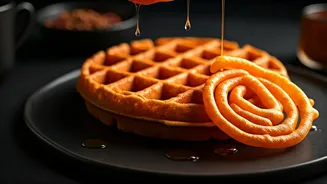
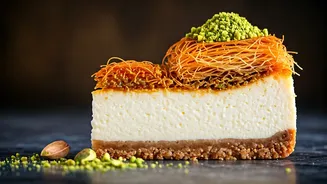
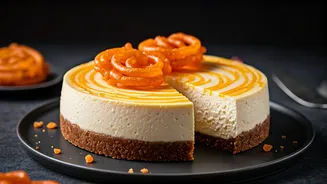
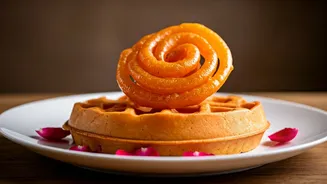
While the Ras Malai Tres Leches might be the current hero, it’s part of a much larger culinary movement. Walk into a modern bakery or cafe, and you’ll find a whole family of its fusion cousins. The Gulab Jamun Cheesecake has been a favourite for years, placing the beloved syrupy dumplings inside a creamy, tangy cheesecake base. You might find Motichoor Laddoo Parfaits, where layers of crushed laddoo alternate with rich cream in a fancy glass. Other creations include Thandai Panna Cotta, Jalebi with White Chocolate Rabri, and Paan-flavoured macarons. What these all have in common is a respect for the original Indian sweet, coupled with a playful, creative spirit. Chefs are no longer just replicating Western recipes; they are deconstructing them and rebuilding them with a distinctly Indian soul.
A Taste of Modern India
This trend is more than just a passing fad; it’s a reflection of modern India's culinary identity. It signifies confidence and a willingness to innovate without abandoning heritage. These desserts tell a story of a culture that is comfortable looking both inward at its rich traditions and outward at global influences. They are a delicious metaphor for a new generation that is globally connected but proudly Indian. The cafe, once the domain of cappuccinos and croissants, has become a laboratory for this exciting new culinary language. The success of these fusion creations proves that the future of Indian food isn't just about preserving old recipes, but also about creating new ones that will become the traditions of tomorrow.