


A New Culinary Confidence
For generations, Indian cooking has been defined by its rich diversity, with recipes reflecting centuries of tradition and geography. Today, a new movement is transforming this legacy. It’s not about replacing tradition, but reimagining it. Chefs and home
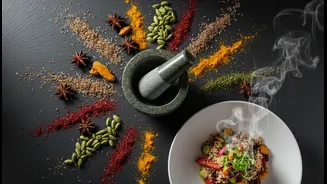
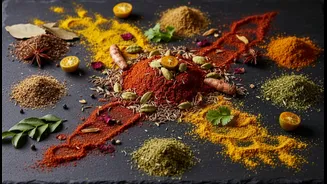
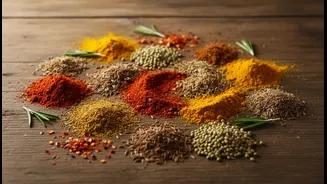
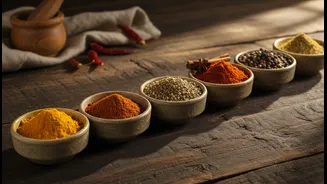
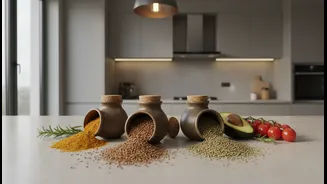
cooks are confidently blending the deep, complex flavours of local spices with global ingredients and techniques, moving beyond the simple label of 'fusion'. This isn’t about diluting Indian food for other palates; it’s about using our incredible spice heritage as a foundation for something new. Think paneer tikka served with a sharp Argentinian chimichurri, or local seafood prepared with Japanese precision while still singing with coastal masalas. This marks an era of culinary confidence, where Indian ingredients are taking their rightful place on the global stage.
From Chef's Table to Dinner Table
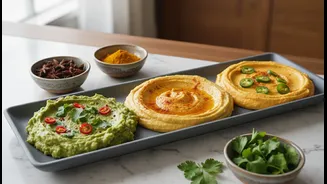
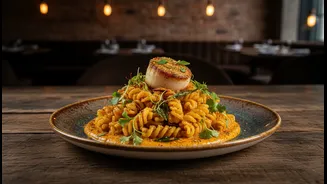
This trend, once confined to high-end restaurants, is now a part of daily life. Across the country, chefs are leading the charge by pairing local, seasonal produce with global gastronomic methods to enhance texture and presentation. Chef Ashish Verma of Masala Synergy calls it "reimagining without replacing," where the heart of the food remains authentically Indian even as it explores new dimensions. This innovation trickles down quickly. Supermarket shelves are a testament to this shift. You can find pasta sauces infused with Indian spices, tandoori-flavoured hummus, and snack foods like sev spiced with Sriracha. Even global fast-food chains have learned to adapt, offering items like the 'aloo tikki burger' to cater to local tastes. The message is clear: the modern Indian palate is adventurous, curious, and open to experimentation.
What's Driving the Great Indian Blend?
Several factors are stirring this culinary pot. Increased global travel has exposed more Indians to international cuisines firsthand. Social media plays a huge role, with visually appealing, 'swicy' (sweet and spicy) dishes like hot honey paneer tikka becoming viral sensations. This digital exposure makes global trends accessible instantly, encouraging home cooks to experiment with new ingredients like Korean gochujang or Middle Eastern sumac, which are now more readily available. Furthermore, there is a growing 'newstalgia' movement — a blend of nostalgia and innovation that grounds dynamic new concepts in familiar flavours. A younger generation, with more disposable income and a desire for novelty, is eager to try these new combinations, from butter chicken pizza to masala mac and cheese.
Evolution, Not Erasure
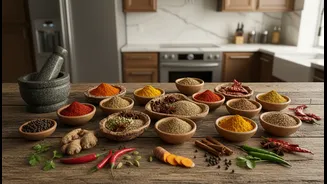
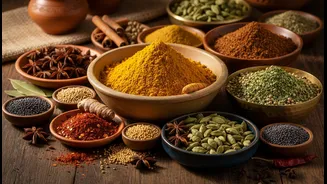
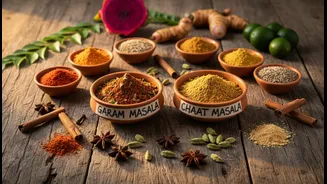
It's important to remember that Indian cuisine has never been static. Its history is a story of absorption and adaptation. The Portuguese introduced chillies, tomatoes, and potatoes, which are now considered staples. Traders along the Silk Road and maritime routes brought new ingredients and cooking methods that were seamlessly woven into local food cultures. The current trend is simply the next chapter in this long history of culinary exchange. It's about using the distinct personalities of our spices—the anti-inflammatory properties of turmeric, the digestive aid of cumin, the aroma of cardamom—and applying them in new, exciting contexts. This isn't an erasure of our heritage; it's a celebration of its versatility and a testament to its enduring global appeal.