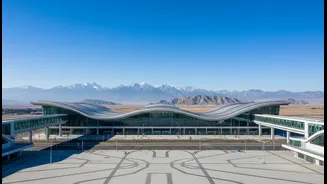









A Modern Gateway to the Himalayas
The long-awaited new integrated terminal at Leh's airport is nearing the final stages of construction, with recent reports from the Ministry of Civil Aviation confirming it is 83% physically complete. This state-of-the-art facility is a significant infrastructure
leap for the strategically important Himalayan region. The project is designed to transform the arrival and departure experience for travellers, moving from a modest, often congested building to a sprawling, modern gateway. Once fully operational, the terminal will be able to handle up to 54 flights a day, a threefold increase from its current capacity. This boost is set to drastically reduce travel bottlenecks, especially during the peak tourist season. For anyone who has experienced the current airport's limitations, this development promises a much more comfortable start and end to their Ladakhi adventure.
What the New Terminal Means for Travellers
For Indian travellers, the new terminal's progress is more than just a news update; it's a practical planning hook. The increased capacity means more flight options and potentially more competitive airfares into the region. The new three-level building will feature 20 check-in counters, modern baggage handling systems, 15 lifts, and 12 escalators, all designed to manage a peak-hour capacity of 2,000 passengers. This expansion aims to create a seamless and comfortable passenger flow, a stark contrast to the queues that can currently build up. Furthermore, the inclusion of three aerobridges means less time spent on the tarmac exposed to the harsh high-altitude climate, allowing for quicker and more comfortable boarding and deplaning. This makes the prospect of travel, especially for families and first-time high-altitude visitors, far less daunting.
A Nod to Culture and Sustainability
The new terminal isn't just about size and efficiency; it's designed to be a reflection of Ladakh itself. The architecture incorporates traditional motifs, offering visitors an authentic glimpse of the region's rich heritage from the moment they arrive. But the most innovative aspect lies in its commitment to sustainability, a critical concern in Ladakh's fragile ecosystem. The terminal is set to be one of India's first airports to run on a hybrid of geothermal and solar power. A large-scale geothermal heating system, a first for an Indian airport, will keep the building warm during the extreme winters, while a significant rooftop solar setup will provide clean energy. This eco-conscious approach ensures that the gateway to this pristine region is also a guardian of its environment.
How to Factor This into Your Ladakh Plans
With completion targeted for the latter half of 2026, prospective travellers have a concrete reason to start looking ahead. The significant increase in flight capacity from 18 to 54 flights daily will likely open up more availability and flexibility in travel schedules once the terminal is fully commissioned. While you don't need to wait for the official opening to book a trip, those planning for late 2026 or 2027 can anticipate a vastly improved travel experience. The enhanced infrastructure is expected to boost tourism and support the local economy, making it an exciting time to visit. For now, the existing airport continues to handle an increased number of flights for the current season, but the promise of a world-class terminal on the horizon makes future trip planning particularly appealing.