





Beyond the Usual Bhajia and Chai
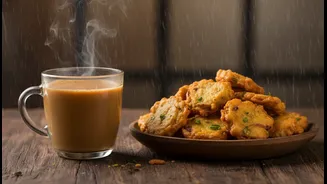
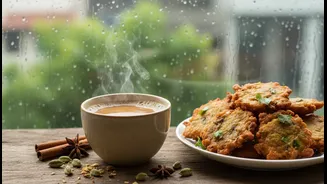
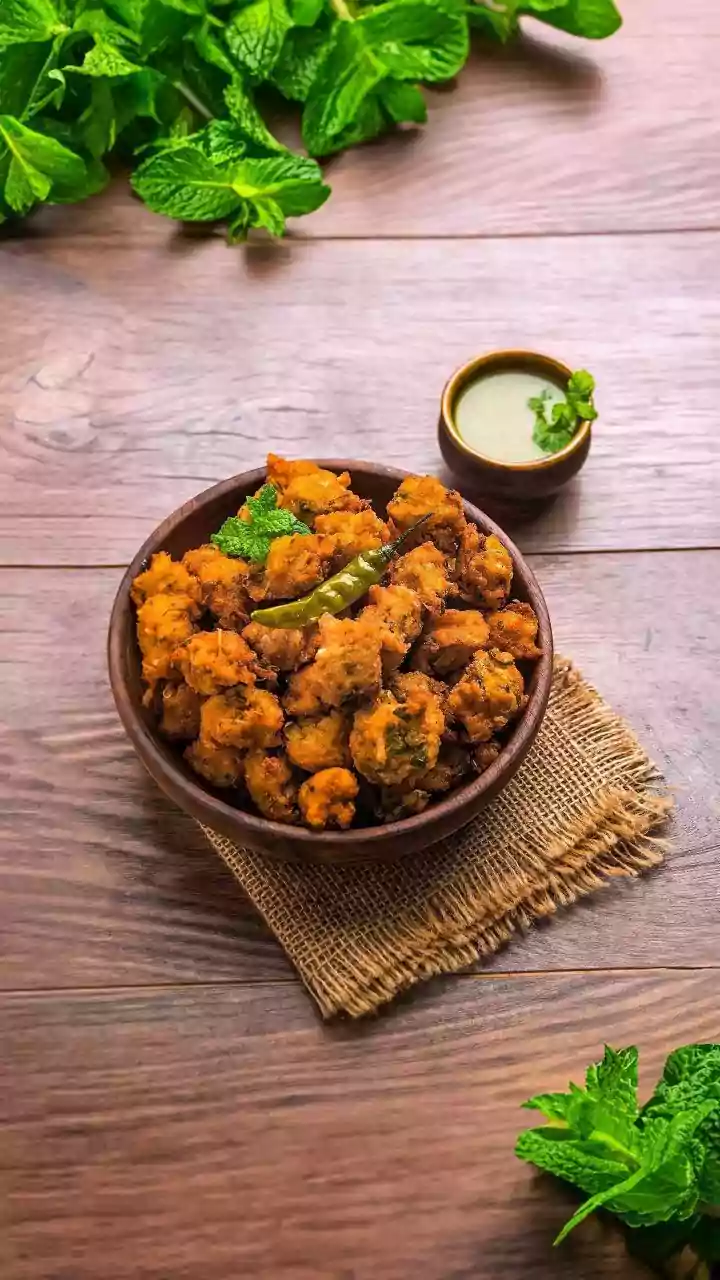
The combination of rain, pakoras, and chai is a cultural reflex in India, a pairing steeped in nostalgia and sensory comfort. But as the 2026 monsoon season unfolds, a delicious new narrative is taking shape. While the classics will always have their
place, restaurants, chefs, and food festivals are increasingly turning the spotlight on lesser-known regional monsoon specialities. This isn't just about frying a different vegetable; it's a deeper culinary excavation, bringing hyper-local, community-specific comfort foods to a mainstream audience. It's a shift from the pan-Indian monsoon snack to a celebration of the peninsula's staggering diversity, where every state has its own unique way to savour a rainy day. This season, your plate is just as likely to feature a Bihari Champaran mutton as it is a standard onion bhajia.
A Culinary Map of Monsoon Comfort
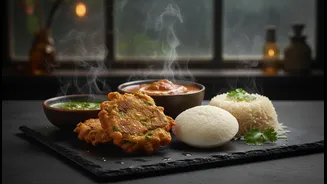
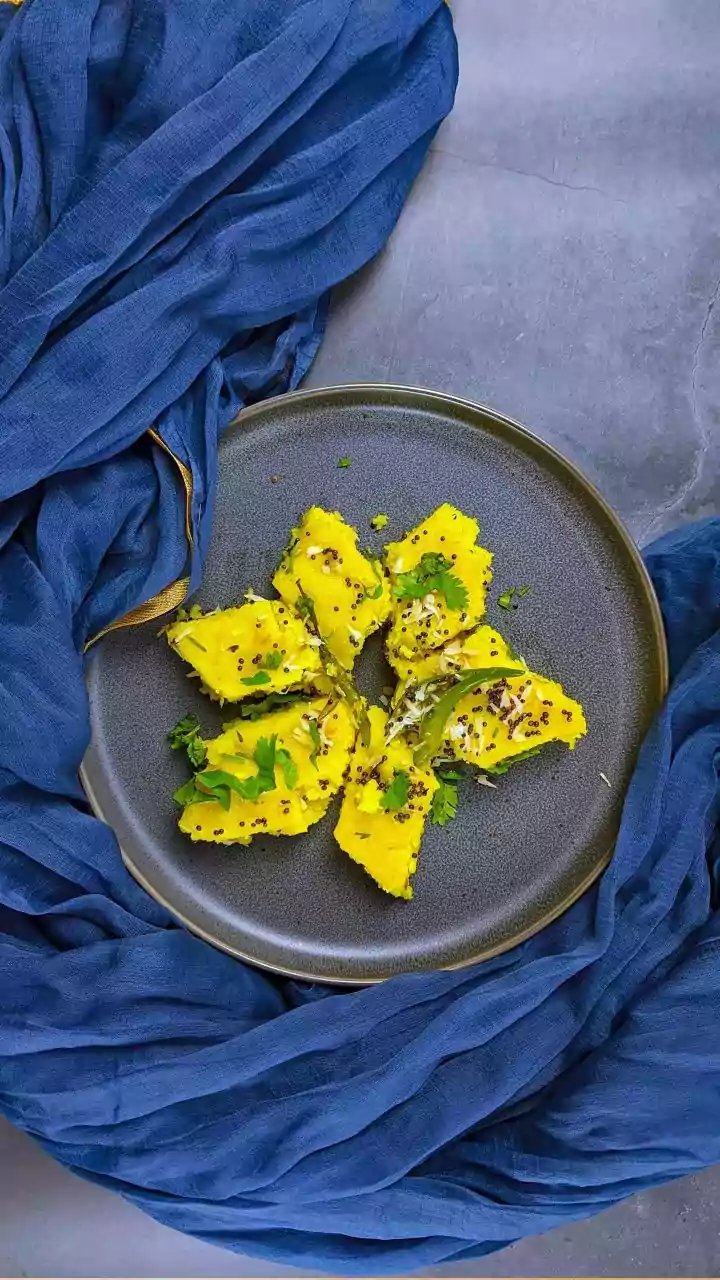
Across India, special menus and festivals are showcasing the breadth of the country's rainy-day cuisine. In Delhi, a festival celebrating the tribal cuisines of the '7 Sisters' of Northeast India is featuring unique delicacies like fermented bamboo shoot and black sesame preparations. Another pop-up in Jaipur recently brought a taste of contemporary regional Indian food, including Andhra Gongura Chicken and Bhopali Murgh Rezala, to a new audience. In Mumbai, one restaurant is serving a special menu with a nostalgic 'Chai Bhajia Platter' that also includes Surti Methi Gota with Gujarati Kadhi. Meanwhile, in Bengaluru, a "Monsoon Express" festival at a hotel is taking patrons on a street food journey inspired by rail travel across India, serving regional staples like Galouti Kebab alongside vada pav. Even in Kolkata, where khichuri is the undisputed king of monsoon comfort, chefs are finding new ways to celebrate traditional Bengali rainy day meals.
The Drivers of a Delicious Trend
So why is this shift happening now? It's a confluence of several factors. There's a growing diner demand for authenticity and a desire to connect with culinary roots. Chefs, like Asma Khan whose recent book 'Monsoon' explores India's seasonal food traditions, are acting as powerful advocates for regional cuisines. They are delving into their own heritage, celebrating the food they grew up with. This trend also reflects a broader cultural movement towards preserving and documenting indigenous food systems and ancient practices. Food-focused media and social media have also played a significant role, creating a new curiosity and appreciation for regional dishes that were once confined to home kitchens. This allows a restaurant in a major metro to successfully feature a dish like Maharashtrian 'Vagheteyachi bhaji' or a brew from Chhattisgarh's 'Hareli' festival, knowing there's an audience for it.
More Than Just a Meal
Ultimately, the appeal of these regional dishes goes beyond just taste. They are carriers of memory, culture, and a sense of place. A bowl of spicy, pungent pepper rasam in Chennai, a plate of pazham pori (banana fritters) in Kerala, or sweet puas in a Punjabi household are not just reactions to the weather; they are edible traditions passed down through generations. These foods are designed for the season, often incorporating ingredients like ginger, turmeric, and pepper that are believed to provide warmth and boost immunity during the damp, cool months. By embracing these dishes, we are not just discovering new flavours, but also connecting with the deep-rooted culinary wisdom that has long defined how India eats during the rains.