








1. Master the Art of Waste Segregation
The first, most impactful change begins at your dustbin. Indian cities generate over 1.5 lakh metric tonnes of solid waste daily, a significant portion of which comes from households. Much of this ends up in overflowing landfills because it’s a mixed,
unmanageable mess. The solution is simple: a two-bin (or three-bin) system. Dedicate one bin for wet waste (vegetable peels, leftover food, tea leaves), another for dry waste (paper, plastic, glass, metal), and a third for hazardous waste (batteries, expired medicines, cleaning agents). Most municipalities now have separate collection systems, but they only work if we segregate at the source. This single habit makes recycling and composting feasible, drastically reducing the burden on our landfills and turning 'waste' into a resource.
2. Turn Your Kitchen Scraps into 'Black Gold'
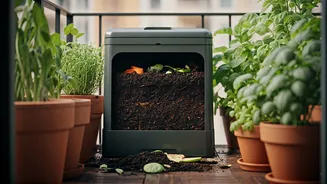
What if your largest source of waste could become a free, nutrient-rich fertiliser for your plants? That’s the magic of composting. For apartment dwellers, space is no longer an excuse. Compact solutions like terracotta kambhas or bucket composters fit neatly on a balcony or in a utility area. They are designed to be odour-free and low-maintenance. By composting your wet waste—fruit and vegetable peels, coffee grounds, and eggshells—you prevent it from rotting in landfills and releasing methane, a potent greenhouse gas. Instead, you create 'black gold' that can breathe life into your potted plants or community garden. It's a beautiful, circular system that reconnects you with the food cycle and visibly reduces the amount of trash you throw out.
3. Break Up with Single-Use Plastic for Good
The government has banned many single-use plastic items, but the real change happens when we reject them by choice. This goes far beyond carrying a cloth bag for groceries. Start noticing the 'ghost plastics' in your daily life. Refuse the plastic cutlery that comes with your food delivery. Carry your own reusable water bottle and coffee cup. Opt for products with minimal or plastic-free packaging. Choose your local sabziwala who doesn't pre-pack everything in plastic over the supermarket aisle. These small acts of refusal send a powerful market signal to businesses: consumers want sustainable alternatives. Each piece of plastic avoided is one less item choking our rivers, oceans, and urban drainage systems.
4. Consume Water and Energy Mindfully
Our taps and switches are direct portals to resource consumption. With many Indian cities facing water shortages and an ever-increasing demand for electricity, mindful usage at home is non-negotiable. Simple habits make a huge difference. Turn off the tap while brushing your teeth or soaping utensils. Fix that dripping faucet, which can waste thousands of litres a year. When it comes to electricity, switch to LED bulbs, which use up to 80% less energy than traditional ones. Unplug chargers and appliances when not in use, as they continue to draw 'phantom' power. During the day, open your curtains and use natural light instead of flicking on a switch. These habits not only lower your utility bills but also reduce the immense strain on our national water and power grids.
5. Embrace the Power of Local and Less
The most sustainable product is often the one you don't buy. Before every purchase, ask yourself: 'Do I truly need this?' This mindset shift, from mindless consumption to conscious consumerism, is revolutionary. When you do need to buy, choose local. Buying produce from your neighbourhood farmer or crafts from a local artisan reduces the carbon footprint associated with long-distance transportation and complex supply chains. It also supports your local economy. Furthermore, rediscover the age-old Indian wisdom of repairing and reusing. A torn shirt can be mended, a broken chair can be fixed, and an old glass jar can be used for storage. This philosophy of 'less is more' is not about deprivation; it's about finding value in what we already have and making thoughtful, sustainable choices for the future.