






The Science of Feeling Full
Satiety is the feeling of fullness and satisfaction you experience after eating, which helps manage your appetite until the next meal. [17, 19] Fibre, a type of carbohydrate that your body can't digest, plays a crucial role in this process. [20] Unlike
other carbs, it passes through your digestive system relatively intact, working its magic in several ways to keep hunger pangs at bay. [20, 22] High-fibre foods are not only more filling but also tend to have fewer calories for the same volume of food, making them a cornerstone of healthy weight management. [20, 8]
How Fibre Fights Hunger
Fibre's power comes from a multi-pronged approach to appetite control. Firstly, it adds physical bulk to your food and absorbs water in the stomach, which causes gastric distention—literally stretching the stomach. [6, 19, 22] This sends signals to your brain that you're full. Secondly, certain types of fibre form a gel-like substance that slows down digestion. [12, 16, 20] This delayed gastric emptying means food stays in your stomach for longer, prolonging the feeling of fullness and preventing rapid spikes and crashes in blood sugar that can lead to cravings. [2, 21, 24]
Meet the Fibre Family: Soluble and Insoluble
Not all fibre is created equal. There are two main types, and both are important for satiety. Soluble fibre dissolves in water to form that viscous gel mentioned earlier. [20, 24] It's particularly effective at slowing digestion and has been shown to help lower cholesterol and stabilize blood sugar. [24] Think of the texture of oats or cooked dal. Insoluble fibre, on the other hand, doesn't dissolve in water. [16, 20] It acts like a bulking agent, adding weight and size to your stool, which promotes regular bowel movements and helps you feel full. [20, 23] Most plant-based foods contain a mix of both types. [16]
The Gut-Brain Connection
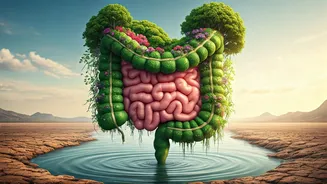
The magic of fibre extends to your gut microbiome and hormones. When fibre reaches your colon, beneficial gut bacteria ferment it, producing short-chain fatty acids (SCFAs). [2, 17, 22] These SCFAs trigger the release of gut hormones like PYY and GLP-1, which signal satiety to your brain. [18, 21] At the same time, this process can help suppress ghrelin, often called the 'hunger hormone'. [18, 22] This complex gut-brain communication is a powerful, science-backed reason why a fibre-rich diet helps you naturally regulate your appetite. [2, 18]
Powering Your Plate with Indian Foods
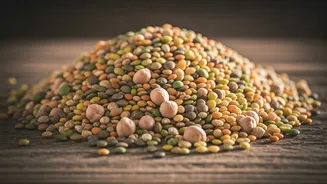
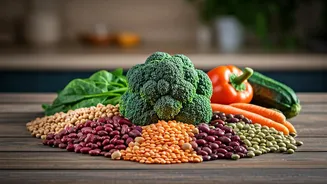
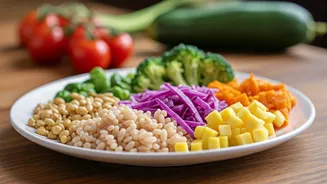
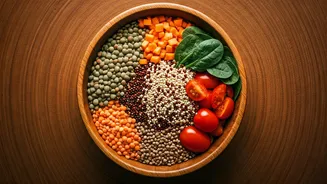
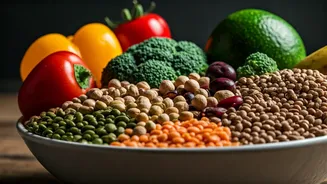
The good news is that a traditional Indian diet is naturally rich in high-fibre foods. [14] To increase your intake, focus on incorporating a variety of these items: * **Whole Grains:** Swap white rice for brown rice, and ensure your daily rotis are made from whole wheat (atta), jowar, bajra, or ragi. [4, 10, 15] * **Lentils and Legumes:** A cornerstone of Indian cuisine, dals like moong and masoor, and legumes like rajma (kidney beans) and chana (chickpeas) are packed with both fibre and protein. [10, 14, 15] * **Vegetables:** Don't hold back on sabzis. Vegetables like spinach (palak), okra (bhindi), sweet potatoes, carrots, and cauliflower are excellent sources. [4, 10] * **Fruits:** Guava, apples (with the skin), bananas, and papayas are fantastic fibre-rich snacks. [4, 15] * **Nuts and Seeds:** A handful of almonds or a sprinkle of flax seeds on your yoghurt can add a significant fibre boost. [13]
A Gentle Reminder: Go Slow and Stay Hydrated
While increasing fibre is beneficial, it's best to do so gradually. [12] A sudden jump in intake can lead to gas, bloating, and discomfort as your digestive system adjusts. [7, 16] As you add more fibre to your diet, be sure to also increase your water intake. Water helps soluble fibre form its beneficial gel and keeps things moving smoothly through your digestive tract, preventing constipation. [12, 16] Experts recommend adults aim for around 25-30 grams of fibre per day from food sources, not supplements. [5, 8]