




Block Out Light and Sound
The two biggest culprits of poor sleep on a train are unpredictable light and noise. As the train stops at brightly-lit stations or fellow passengers move about, your sleep can be easily disturbed. A good quality sleep mask is non-negotiable. Look for
one that is contoured to avoid putting pressure on your eyelids. Equally important are earplugs or noise-cancelling headphones. Even if you enjoy the sounds of the train, they can prevent deep sleep. Silicone or wax earplugs are effective at blocking out snoring and conversations, while noise-cancelling headphones can play calming sounds or white noise to help you drift off.
Dress in Comfortable Layers
Train cabin temperatures can be famously unpredictable, swinging from too warm to surprisingly chilly with the air conditioning. The solution is to dress in layers made of soft, breathable fabrics like cotton. Think loose-fitting loungewear, leggings, or comfortable track pants rather than restrictive jeans. Start with a t-shirt and add a light jacket, fleece, or a shawl that you can easily put on or take off. Don't forget a pair of warm socks, as feet can get cold during the night, especially if you take your shoes off.
Create a Comfort Nest
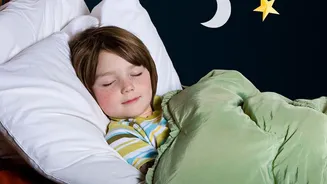
While some sleeper classes provide bedding, it may not always be to your standard of comfort. Bringing your own travel-sized comfort items can make a huge difference. A neck pillow is a game-changer for supporting your head and preventing stiffness, especially if you’re in a reclining seat. Inflatable versions are great for saving space. A lightweight travel blanket or even a simple cotton sheet or sleeping bag liner adds a personal layer of warmth and hygiene. It provides that crucial feeling of being tucked in, signalling to your body that it's time to rest.
Secure Your Essentials Pouch
Peace of mind is essential for good sleep. Instead of worrying about your wallet, phone, and tickets, keep them in a small, secure pouch that stays on your person. A crossbody bag, a waist pouch, or even a small drawstring bag that you can keep inside your pillowcase works well. This 'night bag' should contain everything you might need to access without rummaging through your main luggage in the dark: your phone, charger, power bank, ID, and any necessary medications. For your larger luggage, a simple cable lock to secure it to a rack or under the berth adds another layer of security.
Pack a Mini Toiletry Kit
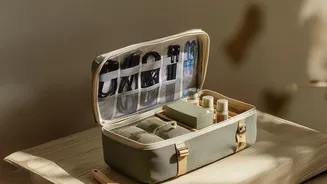
You don't need your entire bathroom cabinet, but a few small items can make you feel human. Pack a travel-sized toothbrush and toothpaste, face wipes, hand sanitiser, and a lip balm. Having these in your accessible essentials pouch means you can easily freshen up before settling down for the night or first thing in the morning without a major unpacking effort. A small pack of tissues or toilet paper is also a wise addition, as supplies in train bathrooms can be unreliable.
Plan for Hydration and Snacks
While you don't want to drink so much that you're making frequent trips to the bathroom, staying hydrated is important. Carry a reusable water bottle. It’s also a good idea to have a few light, low-mess snacks on hand, like granola bars or biscuits. This prevents you from having to rely solely on what's available for purchase on the train, especially if you wake up hungry in the middle of the night.