


Why Sitting Harms Your Joints
Our bodies are designed for movement. When you sit for extended periods, you're not just being inactive; you're actively creating stress on your joints. Prolonged sitting reduces blood flow, especially to your lower body, and slows the circulation of
synovial fluid. This natural lubricant is vital for keeping your joints cushioned and moving smoothly. Without regular movement, this fluid can become less viscous, leading to increased friction, stiffness, and pain in the knees, hips, and spine. This immobility also causes muscles that support your joints, like your glutes and core, to weaken, while others, like your hip flexors, tighten up, creating imbalances that further strain your skeletal system.
Your Desk Is Your First Line of Defence
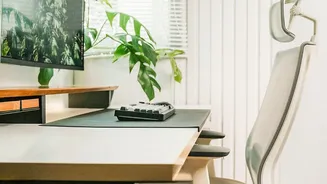
Before you even think about stretching, assess your workspace. Proper ergonomics can dramatically reduce the daily strain on your body. Start with your chair. Your feet should be flat on the floor with your knees at a 90-degree angle. Use a cushion for lumbar support if your chair doesn't provide it. Adjust your monitor so the top of the screen is at or slightly below eye level, preventing you from hunching your neck. Your keyboard and mouse should be positioned to allow your wrists to remain in a neutral, straight position. Keep your chair scooted in close to your desk to avoid leaning forward and straining your back and shoulders.
The Power of the 'Movement Snack'
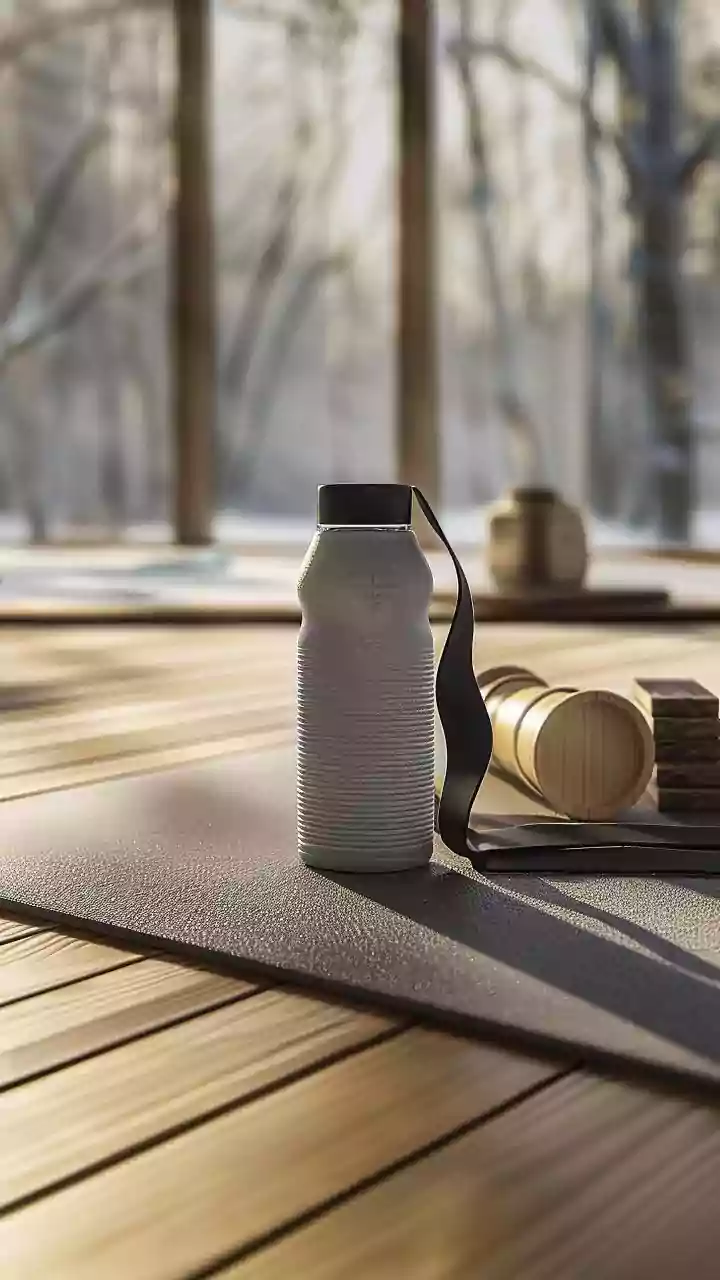
The single most effective strategy against the effects of sitting is to break it up. Think of it as providing your body with 'movement snacks' throughout the day. The goal is to interrupt periods of sitting as often as possible. Set a timer to remind yourself to stand up every 30 to 60 minutes. It doesn't have to be a major interruption. Simply stand up while you take a phone call, walk to the pantry to refill your water bottle, or take the stairs instead of the lift. These small, frequent movements stimulate blood flow, lubricate the joints, and reactivate postural muscles that switch off when you're slumped in a chair. Even these brief moments of activity can help offset the negative effects of being sedentary.
Easy Stretches You Can Do At Your Desk
You don't need a yoga mat to give your joints some relief. These simple stretches can be done right from your chair. For your neck, gently tilt your ear toward your shoulder, hold for 20 seconds, and repeat on the other side. To relieve shoulder tension, perform shoulder rolls by lifting them towards your ears, then rolling them back and down. For your wrists, extend one arm with the palm facing up, and with your other hand, gently pull your fingers down and back toward your body. Finally, for your back and hips, try a seated spinal twist. Sit tall and twist your torso to one side, using the armrest for a gentle pull. Hold, breathe, and repeat on the other side.
Hydration and Nutrition for Resilient Joints
What you consume is just as important as how you move. Your joints' cartilage is made of up to 80% water, and the lubricating synovial fluid is also primarily water. When you're dehydrated, your body has less fluid to cushion the joints, increasing friction and stiffness. Aim to sip water consistently throughout the day. Beyond hydration, focus on an anti-inflammatory diet rich in omega-3 fatty acids, found in fish and walnuts. Foods high in antioxidants, like berries, leafy greens, and turmeric, can also help manage inflammation. These dietary choices support your body's ability to maintain and repair joint tissue, building resilience from the inside out.