





What Is an Ornamental Pineapple?
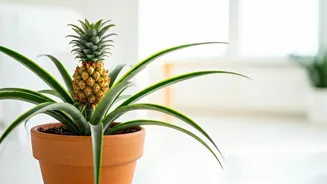
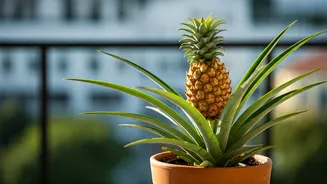
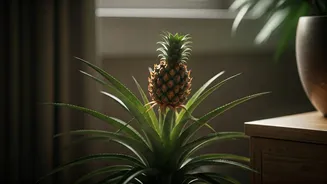
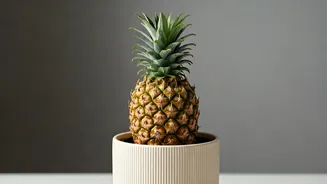
An ornamental pineapple plant, or Ananas comosus, is a genuine pineapple from the Bromeliad family. Unlike its farm-grown cousins, this variety is cultivated for its looks rather than its fruit. The pineapple it produces is small and decorative, not intended
for eating. Historically, pineapples were a symbol of hospitality and wealth, particularly in the 1700s when they were rare and exotic in Europe. Bringing one into your home today adds a touch of that luxurious history and tropical appeal, making it a unique centrepiece for a kitchen or living room.
Finding the Right 'Sunny Corner'
The phrase "sunny corner" is a great starting point, but it needs a little clarification. Pineapple plants are native to the tropics and absolutely love light. They need at least six hours of bright light each day to thrive. An east or west-facing window is often ideal. However, while they adore sunshine, the intense, scorching afternoon sun in many parts of India can be too much, potentially burning their leaves. The perfect spot is one that gets plenty of bright, indirect sunlight or direct morning sun. If you notice the leaves looking scorched, simply move it to a spot with a bit more protection.
Watering and Soil Needs
Overwatering is the fastest way to harm a pineapple plant. These plants are quite drought-tolerant and prefer their soil to dry out between waterings. A good rule of thumb is to water thoroughly about once a week in the summer, and less often in the winter, allowing the top inch or two of soil to feel dry first. They thrive in a well-draining soil mix, similar to what you’d use for succulents or cacti. A blend of regular potting soil with sand or orchid bark works well to prevent waterlogging and root rot.
A Surprising Bedroom Benefit
Beyond its good looks, the ornamental pineapple has a secret talent. Like many bromeliads, it performs a type of photosynthesis called Crassulacean acid metabolism (CAM). This means it releases oxygen at night, rather than during the day. This unique trait improves overnight air quality, which has led some to suggest it can contribute to a better, quieter night's sleep. While it may not be a miracle cure for snoring, placing one in your bedroom can help create a fresher, healthier sleeping environment.
The Circle of Life: Pups and Propagation
An ornamental pineapple plant typically fruits only once in its lifetime, a process that can take a couple of years. After the central fruit has finished its display, the main 'mother' plant will gradually begin to fade. But this isn't the end. The plant will produce offshoots from its base, known as 'suckers' or 'pups'. Once these pups reach a decent size, they can be carefully separated and repotted. Let them root, and you’ll soon have a new generation of pineapple plants to enjoy or share with friends and family.