




The Agony of the Visa Application
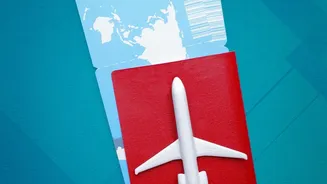
For many aspiring Indian travellers, the first hurdle isn't saving up for the trip, but navigating the complex and often dispiriting visa application process for Western countries. Getting a Schengen visa, for instance, has become a significant source
of frustration. In 2025, India was the third-largest source of Schengen visa applications globally, with over 1.15 million submissions. However, the rejection rate stood at 15.8%, slightly above the global average. This meant over 181,000 applications were denied, costing travellers crores in non-refundable fees and dashing holiday plans. The process involves compiling extensive documentation, securing appointments often months in advance, and facing long waiting periods with no guarantee of success. This uncertainty is a major 'push' factor, encouraging travellers to look for simpler, more predictable alternatives.
A World of Welcomes
In stark contrast, a growing list of countries is rolling out the red carpet for Indian tourists by simplifying or eliminating visa requirements altogether. This strategy is a powerful 'pull' factor. Nations in Southeast Asia have been particularly proactive. Thailand and Malaysia, for example, have extended visa-free entry for Indian citizens until the end of 2026. Sri Lanka and Kenya have also implemented visa-free policies. These policies, which also include easy visa-on-arrival and streamlined e-visa systems in countries like Vietnam, Indonesia, and the Maldives, have transformed international travel from a long-term project into a spontaneous possibility. Suddenly, a long weekend getaway to Phuket or a beach holiday in Mauritius is as easy to plan as a domestic trip.
The Rise of the Indian Traveller
This shift isn't just about avoiding paperwork; it's a reflection of deeper economic and social changes in India. The Indian outbound tourism market is booming, valued at over INR 2 trillion in 2023 and projected to grow significantly. This growth is fuelled by a rising middle class with increased disposable income, a young, aspirational population influenced by social media, and greater air connectivity. After the pandemic, a pent-up demand for travel has exploded. Indian travellers are no longer just visiting family or going on pilgrimages; they are seeking diverse experiences, from adventure and wellness to culinary tours. They are a powerful economic force, and countries that make it easy for them to visit are reaping the rewards.
More Than Just Southeast Asia
While destinations like Thailand, Malaysia, and Indonesia are top of mind, the trend extends far beyond. In the Indian Ocean, Mauritius and the Seychelles have long been popular visa-free choices for honeymoons and family vacations. In Africa, countries like Kenya, Rwanda, and Senegal are opening their doors, attracting Indians with unique wildlife and cultural experiences. Even the Caribbean has a cluster of nations including Barbados, Jamaica, and Dominica that welcome Indian passport holders without a prior visa. As Indian travellers become more confident and adventurous, they are exploring further afield, and the primary enabler is often a welcoming visa policy. The list of accessible countries now spans continents, offering a diverse range of options from the mountains of Nepal to the beaches of Fiji.
The Future of Indian Travel
The message from Indian tourists is loud and clear: if you make it easy for us to come, we will. This trend has created a virtuous cycle. Countries see a surge in tourism revenue after simplifying visa rules, which in turn encourages other nations to follow suit to capture a share of the lucrative Indian market. The Indian outbound market is expected to exceed 50 million travellers by 2030, making it a demographic that global tourism boards cannot ignore. This shift signals a new era of confidence for the Indian traveller, who is increasingly empowered to choose destinations that value their time and money. The hassle of the visa queue is being replaced by the freedom of the open sky, fundamentally reshaping the global travel map.