






The New Corner Office: A Hostel Bunk
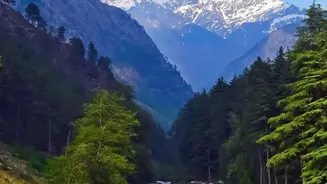
Forget coworking spaces in Bengaluru or Gurugram. The new hub for a generation of freelance developers, designers, and digital marketers is a backpacker hostel in Kasol. Known as the 'Mini Israel of India', this small village on the banks of the Parvati
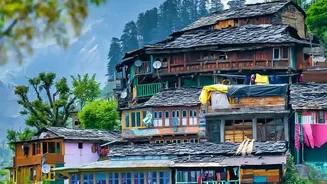
River has transformed from a quiet hamlet into a magnet for digital nomads. Hostels like Zostel, The Hosteller, and a host of independent properties have become de facto offices. Common areas buzz not just with travel stories, but with the quiet tapping of keyboards and the glow of code on screens. The appeal is simple: a chance to escape urban monotony for fresh mountain air and a healthier work-life balance. For many, this isn't a vacation with a laptop; it's a strategic lifestyle choice.
The Digital Hustle in the Himalayas
The work itself is as varied as the travellers. Freelance software development, UI/UX design, data analysis, and digital marketing are common gigs that fund this lifestyle. Platforms like Upwork and direct client relationships allow these professionals to earn city-level incomes while enjoying the significantly lower cost of living in the mountains. The freedom to choose projects and set their own hours is a key driver of this trend. However, this independence comes with the responsibility of constantly finding new work, managing client expectations across time zones, and handling their own finances and taxes, a complication many salaried employees never face.
A Rupee-Wise Reality
The economics are a major draw. While a one-bedroom apartment in a metro city can cost tens of thousands per month, a long-term stay in a Kasol homestay or hostel can be secured for a fraction of that. Monthly rates for a basic private room can range from ₹15,000 to ₹25,000, and dorm beds are even cheaper. Some homestays offer packages including all meals for around ₹18,000 to ₹30,000 per month. This practice, known as geographic arbitrage—earning in a strong economy while living in a less expensive one—allows freelancers to save money, build an emergency fund, and invest for the future, all while living in a scenic paradise. Food from local dhabas is affordable, with meals often costing between ₹100 and ₹250.
When the Wi-Fi Disconnects
The lifestyle isn't without its challenges. The biggest hurdle is infrastructure. While internet connectivity in Kasol town has improved dramatically, with some places offering stable fibre connections of 40-50 Mbps, it's not a given. Power cuts are a frequent reality, making a power bank and a stay with a generator or inverter non-negotiable for anyone on a deadline. Moving to quieter, more remote villages like Tosh or Kalga often means sacrificing reliable Wi-Fi for peace. There's also the mental toll. The line between work and leisure blurs completely, and the isolation, while initially peaceful, can lead to loneliness if a conscious effort isn't made to connect with the transient community.
More Than Just Work and Wi-Fi
Ultimately, what makes the trade-offs worthwhile is the 'life' part of the work-life balance. After logging off, freelancers can step out for a short trek to the village of Chalal, explore the forest trails, or simply sit by the roaring Parvati River. Weekends are for longer treks to destinations like Kheerganga, with its natural hot springs. The hostels themselves foster a strong sense of community, with bonfire nights, group treks, and shared meals creating connections that combat the potential loneliness. This blend of productivity, adventure, and community is the core of the Kasol freelancer experience, offering a blueprint for a new generation redefining what a successful career looks like.